Medium Hair Layering Techniques for Thick, Fine and Wavy Hair
Most women with medium-length hair hit a wall — the length is right, but the style falls flat, looks heavy, or loses shape by midday. The fix is almost always in how the hair is layered. The right layered hair medium technique does more than just remove bulk — it creates movement, defines texture, and transforms how hair behaves from wash day to second-day styling.
Whether your hair is thick and heavy, fine and limp, or wavy and unpredictable, there is a layering method built specifically for your texture. This guide breaks down the cutting techniques, styling approaches, and maintenance habits that work for each hair type — no guesswork, no one-size-fits-all advice.
Why Layering Technique Matters More Than Layer Count
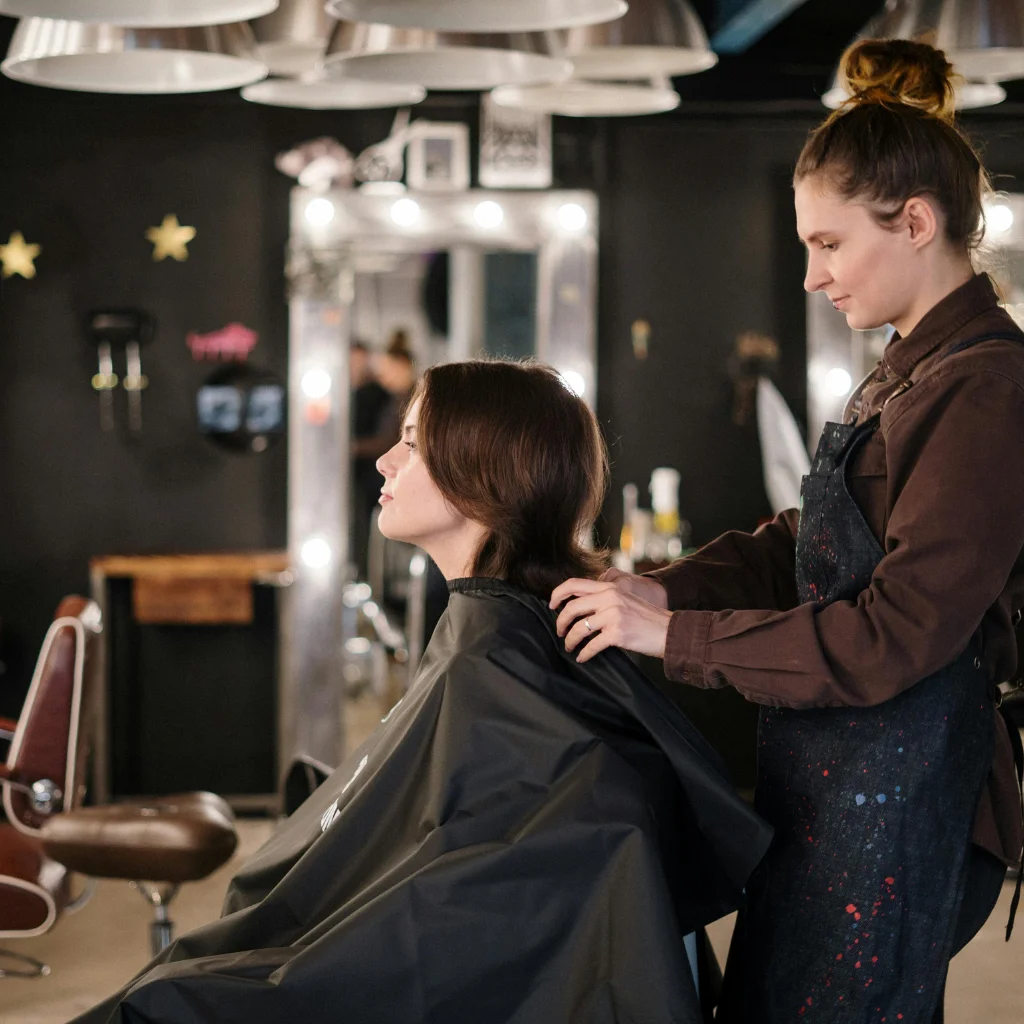
Ask any experienced stylist and they will tell you the same thing: how layers are cut matters more than how many you get. A layered hair medium cut using the wrong technique can make fine hair look sparse, thick hair look shapeless, or wavy hair turn frizzy. The right approach targets the specific challenges of each hair type.
There are four primary cutting techniques stylists use for medium layered haircuts:
• Point cutting: scissors are held vertically to snip into the hair ends, creating a soft, feathered finish that blends seamlessly.
• Razoring: a razor tool is used to slice through hair strands, removing weight and adding texture — works best on thick or coarse hair types.
• Slide cutting: scissors glide along the hair shaft in a sliding motion, creating elongated, gradual layers ideal for volume without weight removal.
• Dry cutting: hair is cut while dry so the stylist sees the real fall and movement, particularly effective for wavy and curly textures.
Knowing which method suits your hair type before walking into the salon makes all the difference. Below is a breakdown by texture.
Best Layering Techniques for Thick Medium Hair
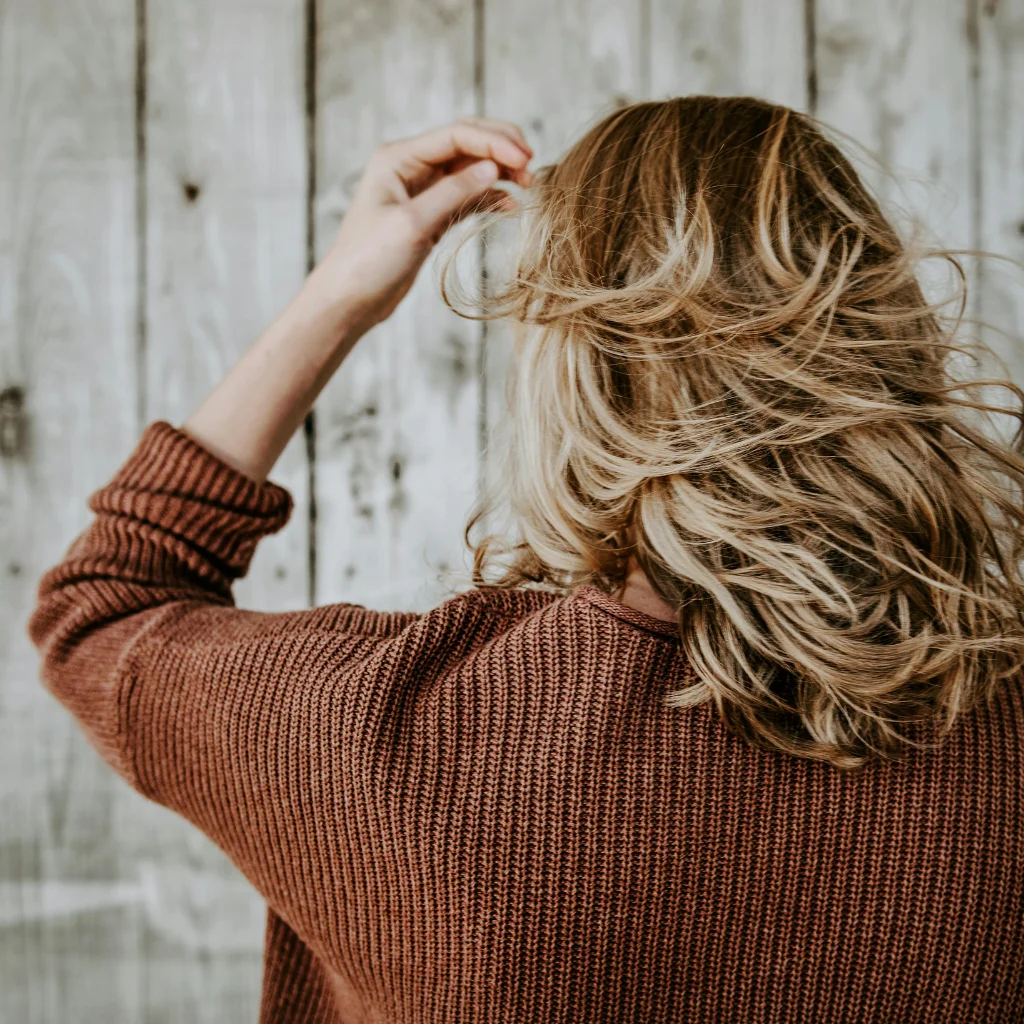
Thick hair holds enormous potential for layered hair medium styles, but without the right technique it can sit heavy, lose shape quickly, or puff outward instead of falling with definition. The goal with thick hair is weight removal without thinning.
Razored Layers for Thick Hair
Razoring works brilliantly on thick hair because it slices through density rather than bluntly removing it. Soft razored layers on a medium length add height, volume, and a polished finish without the triangle-shaped silhouette that thick hair can develop with traditional scissors-only cuts. Ask your stylist specifically for a soft razored layered lob — one of the most requested thick-hair cuts heading into 2025.
Long Blended Layers for Thick Hair
Long, graduated layers work by distributing the hair’s weight gradually from the top section down to the ends. Rather than stacking multiple short layers throughout, long blended layers create a smooth, flowing silhouette that controls bulk without making thick hair look choppy or disconnected. This approach delivers the most polished finish for thick medium layered hair worn straight or with a blow-out.
Thinning Shears — Use Sparingly
Thinning shears can be effective on thick hair when used at the ends and mid-lengths only. The mistake many stylists make is over-thinning at the crown, which causes the top section to lose density and sit flat. Request thinning at the ends and lower half only, and avoid it entirely on the top third of the hair for the best shape retention.
Layering Techniques for Fine Medium Hair
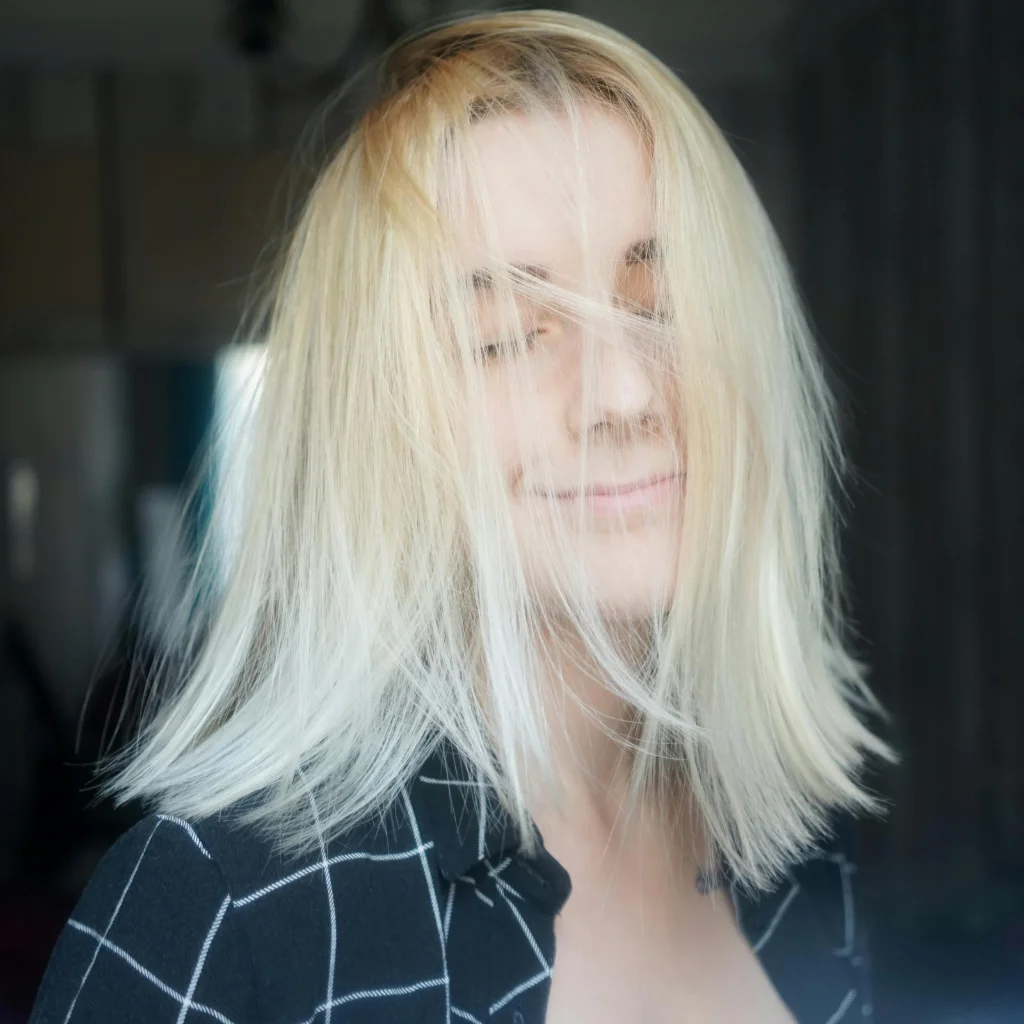
Fine hair requires a completely different layering strategy. The instinct is to add as many layers as possible to create volume, but too much layering on thin hair produces the opposite effect — it makes strands look sparse, stringy, and see-through. Fine layered hair medium cuts work best when layers are strategic rather than heavy.
Concentrate Layers in the Lower Half
For fine hair, the most effective approach is to keep the top section relatively solid and concentrate layers from the mid-lengths to the ends. This preserves density at the crown — where fine hair needs it most — while adding movement and lightness at the bottom. The result is a medium layered hair style that looks full without being weighed down.
Blunt Ends with Subtle Layering
Blunt-cut ends make fine hair look denser because all the strands end at the same point, creating the illusion of a thicker perimeter. Pairing blunt ends with a few subtle internal layers gives fine hair both the fullness of a blunt cut and the movement that layering provides. This combination is underused and consistently delivers strong results.
Avoid Razoring on Fine Hair
While razoring is excellent for thick hair, it removes too much material from fine strands and can cause fraying and split ends over time. Point cutting is the far better option — it softens ends without reducing the hair’s perceived density. If your stylist reaches for a razor on your fine layered medium hair, ask them to switch to scissors with point cutting instead.
Layering Techniques for Wavy Medium Hair

Wavy hair is the most technique-sensitive of the three hair types when it comes to layering. Too many short layers can disrupt the wave pattern and cause the hair to frizz rather than flow. The key principle for wavy layered hair medium styles is to work with the wave, not against it.
Dry Cutting for Wavy Hair
Dry cutting is the gold standard for wavy hair layering because it lets the stylist see exactly how the waves fall and where they cluster before making any cuts. When hair is wet, waves stretch and lose their pattern, meaning a stylist cutting wet wavy hair is guessing at the result. Request dry cutting specifically, especially for a medium layered haircut that needs to enhance rather than fight your wave pattern.
Minimal Layering for Loose Waves
For loose, low-maintenance waves, minimal layering is the smarter choice. A lightly layered medium cut enhances the wave pattern naturally without creating extra pieces that can separate and frizz. This is also one of the lower-maintenance options for wavy-haired women who want their layered medium hair to air-dry beautifully with minimal product.
The Wolf Cut for Defined Wavy Texture
The wolf cut — a combination of shag-style layers with a rounded silhouette — remains one of the most popular choices for medium wavy hair in 2025. The irregular, choppy layers add playful volume to medium waves, while the rounded shape prevents the hair from going flat on top. The wolf cut works particularly well for women with medium-density wavy hair who want visible texture and personality in their cut.
Face-Framing Layers on Medium Hair — What Actually Works

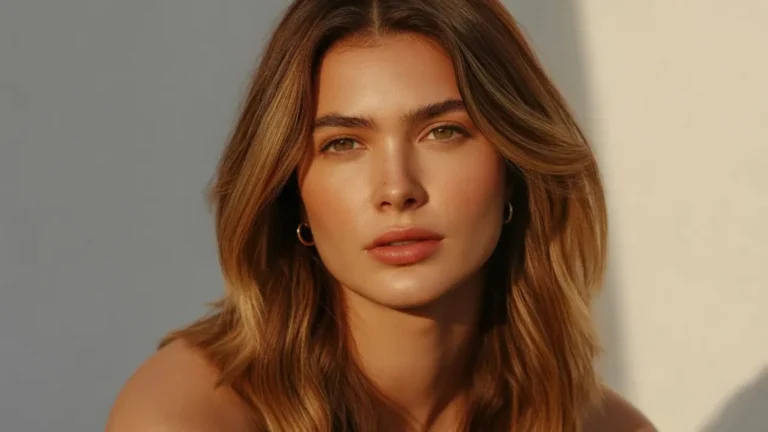
Face-framing layers are one of the most impactful additions to any medium layered hair cut. When done correctly, they draw attention to the eyes and cheekbones, soften jaw angles, and make the entire style feel more intentional. When done incorrectly, they create awkward shorter pieces that stick out and refuse to blend.
Curtain layers are the most versatile face-framing option for medium hair. They part naturally in the center and fall on either side of the face, working with oval, heart, and square face shapes equally well. They are also one of the most forgiving styles as they grow out, making them a practical choice for women who do not want to return to the salon frequently.
For face shape guidance:
• Round face: layers around the face add length and make it appear more oval — ask for layers that start at cheekbone level.
• Square face: soft, wispy layers that frame the jaw reduce the angular appearance of a strong jawline.
• Oval face: almost all layered styles work well — long blended layers maintain the balanced proportions naturally.
• Heart face: layers that add width at the chin and jaw line balance out a wider forehead.
How to Style Layered Medium Hair at Home
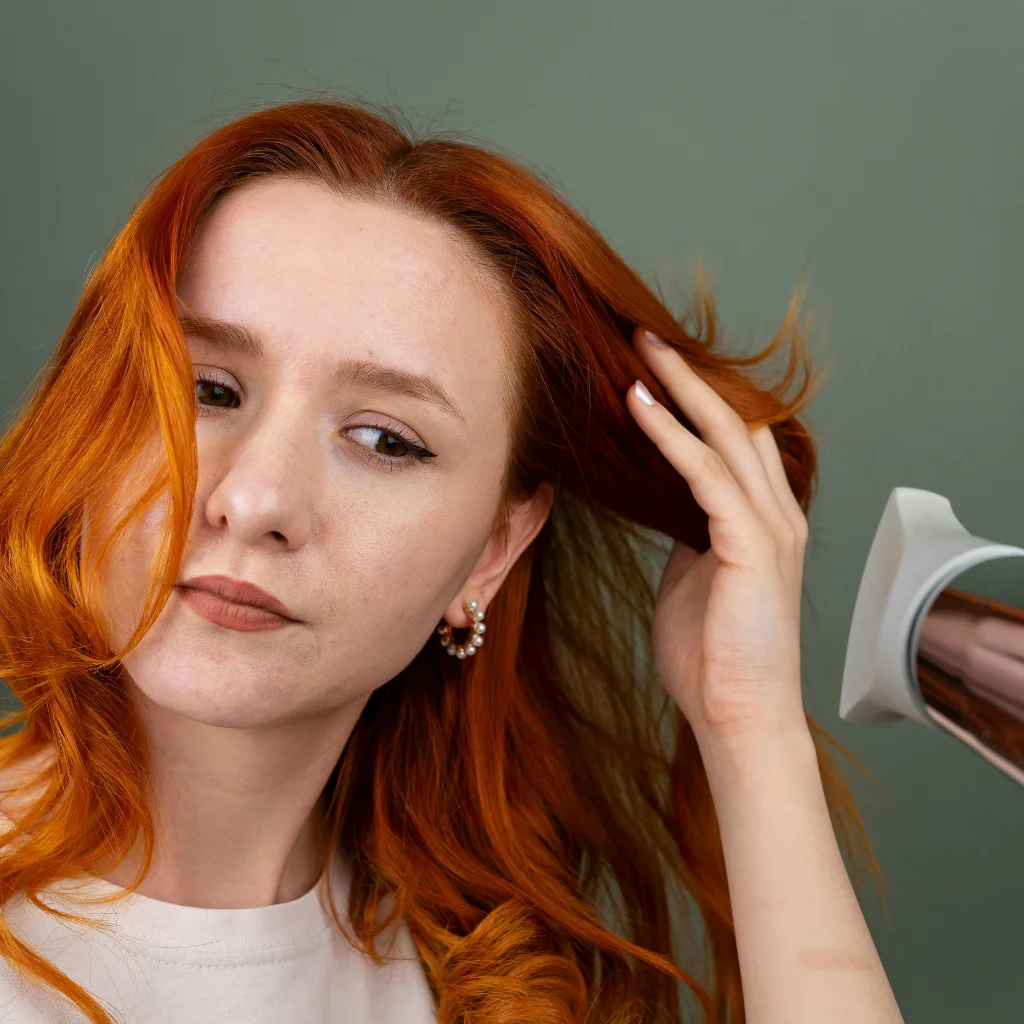
A great cut only does half the work. The other half comes from how you style and product your layered hair medium cut at home. These techniques make the most of your layers depending on your texture.
Round Brush Blow-Dry for Smooth Volume
Blow-drying with a round brush is the most effective at-home technique for adding lift and polish to medium layered cuts across all hair types. Work in sections — starting at the nape and moving upward — rolling the brush under each section as you direct heat from roots to ends. This technique lifts the layers individually and gives the finished style bounce and movement rather than a flat, uniform result.
Sea Salt Spray for Wavy and Textured Layers
For wavy or air-dried medium layered hair, a daily application of sea salt spray accentuates the natural wave pattern and enhances texture without adding weight. Scrunch it into damp hair, let it air dry, and then flip sections with your fingers to break up any clumping. This is the easiest low-maintenance styling method for wavy layered cuts.
Light Mousse for Fine Layered Hair
Fine hair benefits most from a lightweight volumizing mousse applied at the roots before blow-drying. Avoid heavy creams or serums on fine layered cuts — they weigh down the hair and flatten the very volume the layering was designed to create. Work a golf-ball-sized amount of mousse into damp roots only, blow-dry upside down for maximum lift, then finish with a light-hold spray.
Maintaining Layered Medium Hair Between Salon Visits
Layered cuts require more consistent maintenance than blunt cuts because as the hair grows, the layer graduation shifts and the shape softens. Keeping your layered hair medium cut looking sharp comes down to a few non-negotiable habits.
• Trim every 6 to 8 weeks: this interval preserves the shape of your layers and prevents split ends from traveling up the shaft, which causes visible damage in layered styles faster than in blunt cuts
• Apply heat protectant before every heat tool use: layered hair has more surface area exposed and dries out faster, making heat protection essential rather than optional
• Use a wide-tooth comb on wet hair: fine and wavy layered cuts are particularly prone to breakage when brushed wet — always detangle gently from ends to roots
• Deep condition once a week: medium length layered hair — especially thick or wavy — benefits from a weekly conditioning treatment to maintain softness and reduce frizz between cuts
Adding a hair balayage or highlights can also enhance the dimensional look of medium layered hair by emphasizing the movement between layers — something flat single-process colour cannot replicate.
The Right Layers Make All the Difference
Layering is not a one-technique-fits-all approach. For thick hair, it is about smart weight removal. For fine hair, it is about strategic placement that builds volume without sacrificing density. For wavy hair, it is about working with the texture and using dry cutting to see what you are dealing with.
The best layered hair medium cut is the one matched precisely to your hair type, face shape, and daily styling reality. Walk into your next salon appointment knowing which technique works for you, and the result will speak for itself.
Highly Recommended: Layered Bob Hairstyle Trends Making Waves in Modern Haircuts.