The Power of Slow Living Finding Peace in a Busy World
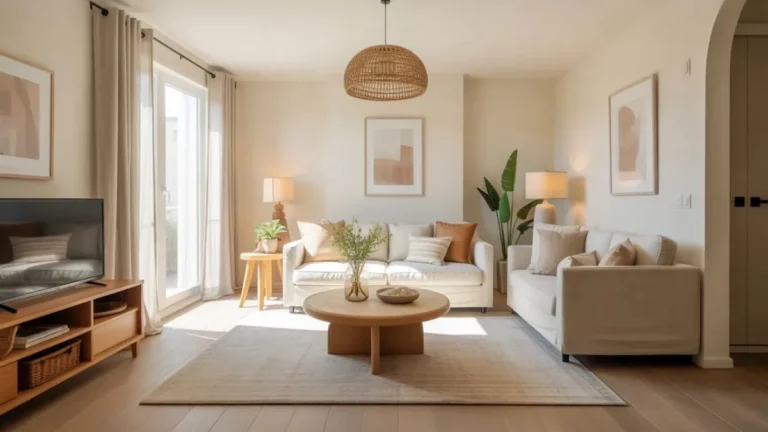
Life feels fast for almost everyone now. Phones buzz all day. Work follows people home. Even free time can start to feel busy. That is one reason more people are paying attention to The Power of Slow Living. It is not about doing nothing. It is not about running away from goals. It is about choosing a life with more care, more attention, and less pointless rush.
This idea matters because stress is not just a feeling. The American Psychological Association says stress affects nearly every system of the body and can shape how people think, feel, and act. The World Health Organization also says unhealthy working conditions, heavy workloads, and low control at work can harm mental health. It adds that depression and anxiety lead to about 12 billion lost working days each year around the world.
That is why The Power of Slow Living feels so relevant today. It gives people another way to live. Instead of filling every hour, slow living asks you to notice what matters, cut what does not, and enjoy ordinary moments again. A slower life does not have to be perfect. It just has to be more intentional.
What slow living really means
Many people think slow living means doing everything at half speed. That is not true. Slow living is really about intention. It means you stop treating speed as the answer to everything. You choose quality over rush. You give full attention to what you are doing. You make room for rest, people, health, and peace.
Harvard Health describes slow living as a way to become more mindful during the day. It says this kind of approach may help lower stress and blood pressure and can even improve social interactions by helping people stay more engaged in conversations.
That is the heart of The Power of Slow Living. You still work. You still plan. You still care about growth. But you stop living as if every moment must be squeezed for output. A simple breakfast becomes a real pause. A walk becomes a chance to breathe. A conversation becomes something you actually hear instead of something you rush through.
Think of it like this. A rushed life may look full from the outside, but it often feels empty on the inside. A slower life may look simple, but it often feels richer. That shift is what makes slow living so powerful. It helps you live your day instead of only surviving it.
Why busy life feels so heavy
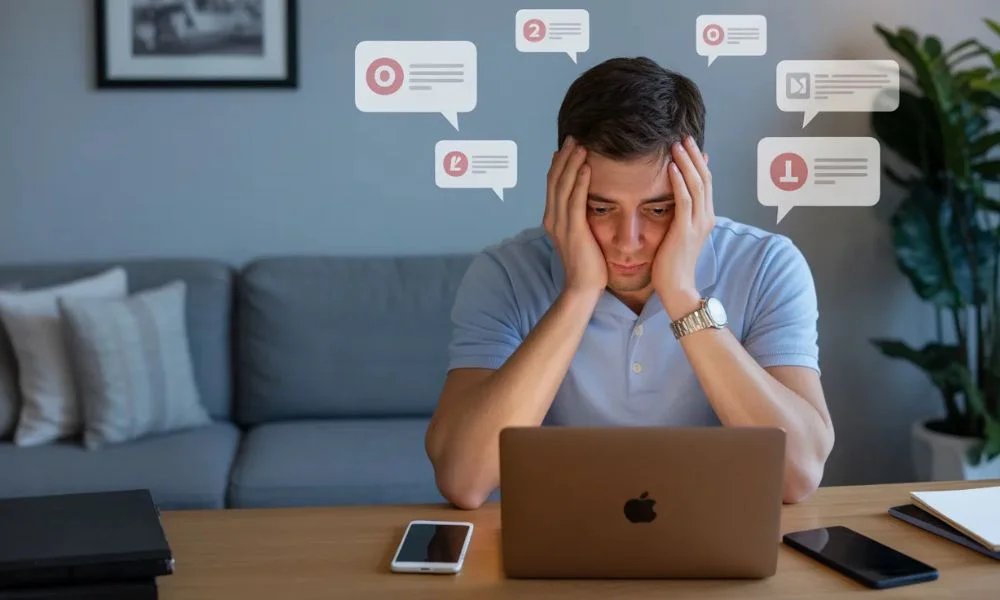
Modern life asks people to do too much at once. Messages, deadlines, family duties, bills, and social pressure all pile up. Many people are always switching attention. They start one task, stop for a message, answer an email, remember another job, and then try to rest with their minds still racing.
This constant pressure takes a real toll. The APA says long-term stress can lead to fatigue, poor focus, irritability, and other mental and physical problems. The WHO says work can support mental health when conditions are good, but poor work environments can also make mental health worse.
That is where The Power of Slow Living becomes useful. It helps people question the belief that busy always means important. Many of us were taught to feel proud of being overwhelmed. We act like rest must be earned. We answer messages while eating. We carry stress into bed. Then we wonder why peace feels far away.
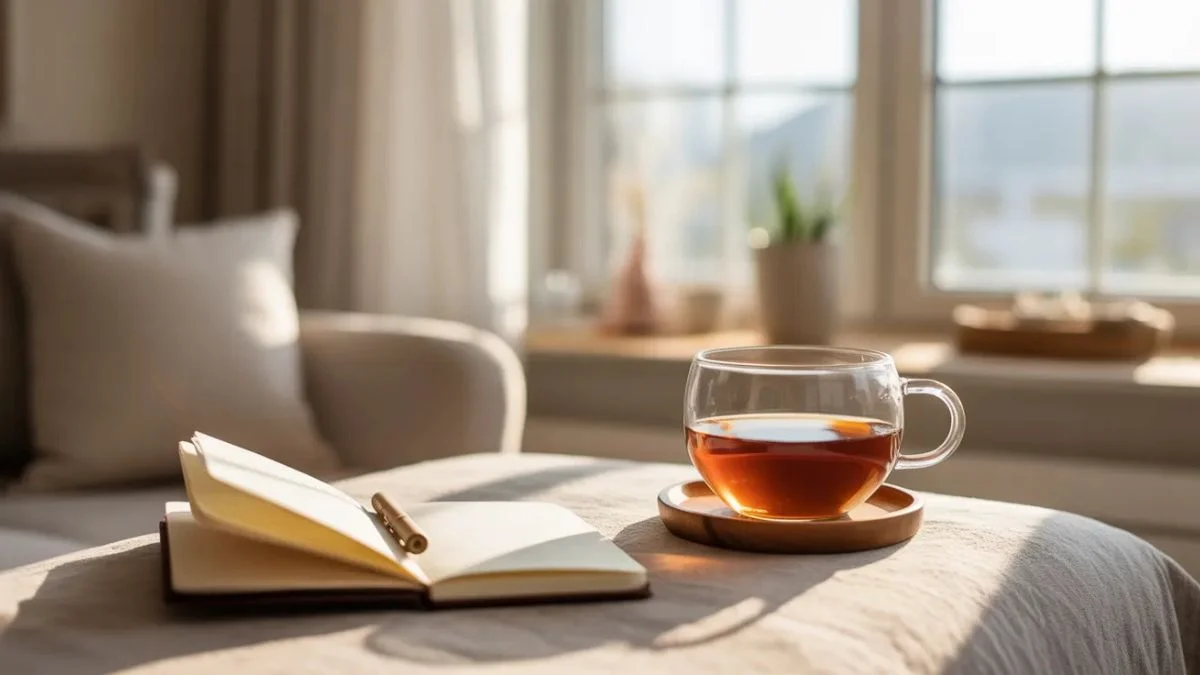
A friend once said she could not remember the last time she drank tea while it was still hot. That small comment says a lot. When life gets too rushed, we stop being present even in tiny daily moments. Slow living brings those moments back. It helps you notice your own limits before your body and mind force you to stop.
The real benefits of slowing down
The benefits of slowing down are not only emotional. They also affect your body, your relationships, and your habits. Harvard Health says practicing slow living may indirectly lower stress and blood pressure by helping people become more mindful during the day. It also says it can help people become more present in social interactions.
That means The Power of Slow Living can make everyday life feel better in simple but real ways. You may think more clearly because you are not reacting from panic. You may eat better because you actually notice hunger and fullness. You may sleep better because your nervous system is not being pushed all day.
Movement also plays a part. The WHO says regular physical activity supports both body and mind, and it notes that inactivity is common across the world. In its stress guidance, WHO also says regular daily exercise, including walking, can help reduce stress.
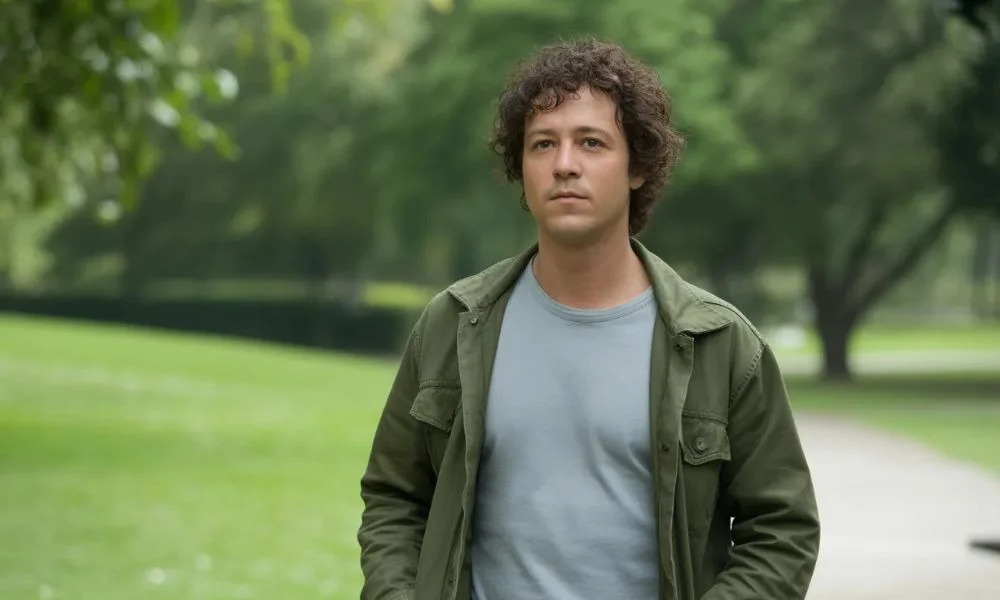
There is also a relationship benefit. When you slow down, people can feel it. You listen better. You interrupt less. You are more likely to enjoy time with family and friends because your attention is not split in ten directions. That is one quiet gift of The Power of Slow Living. It gives you your own attention back, and that attention improves the quality of your life.
Simple ways to practice it every day
You do not need a brand-new life to start. You only need a few honest changes. The best thing about The Power of Slow Living is that it grows through ordinary habits.
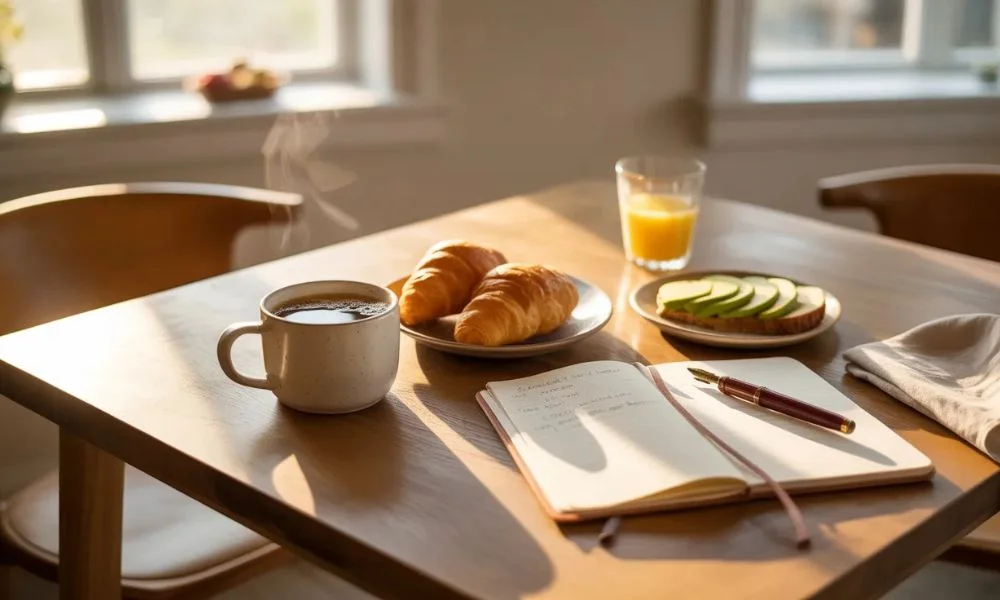
Start with the first part of your day. Do not grab your phone the second you wake up. Give yourself a few quiet minutes first. You can stretch, pray, sit in silence, write a few lines, or just drink water slowly. This one habit can change the whole feel of your morning.
Next, try single-tasking. Eat without scrolling. Work on one thing for a set block of time. When someone talks to you, listen fully. These steps sound small, but they train your mind to stay where your body already is.
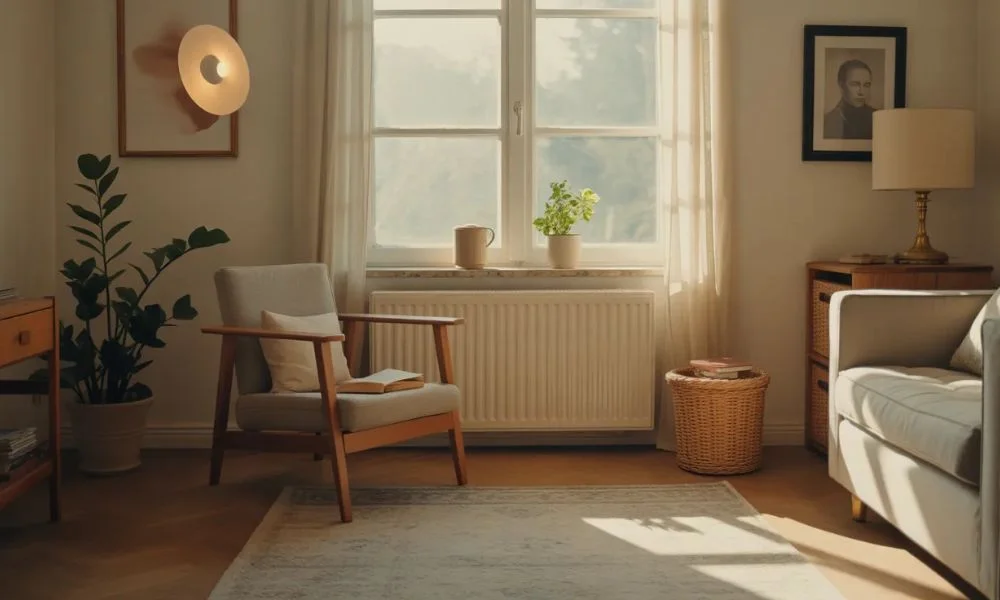
Another helpful change is creating tiny pauses. Sit by a window for five minutes. Take a short walk after lunch. Breathe slowly before moving to the next task. Harvard Health recommends mindfulness-based practices for reducing daily stress, and WHO says spending too much time following the news or social media can increase stress for some people.
Your home can also support The Power of Slow Living. Keep your space simple. Cook easy meals more often. Leave some empty room in your schedule. Stop saying yes to everything. Slow living is not built by one dramatic change. It is built by many gentle choices repeated over time.
How to protect peace in a fast world
Starting is one thing. Protecting your peace is another. The world around you may still reward speed, overwork, and constant availability. That is why The Power of Slow Living needs boundaries.
First, know what matters most right now. Maybe it is better sleep. Maybe it is family dinners. Maybe it is focused work without endless distractions. Once you know your priorities, it becomes easier to protect them. You stop treating everything as urgent.
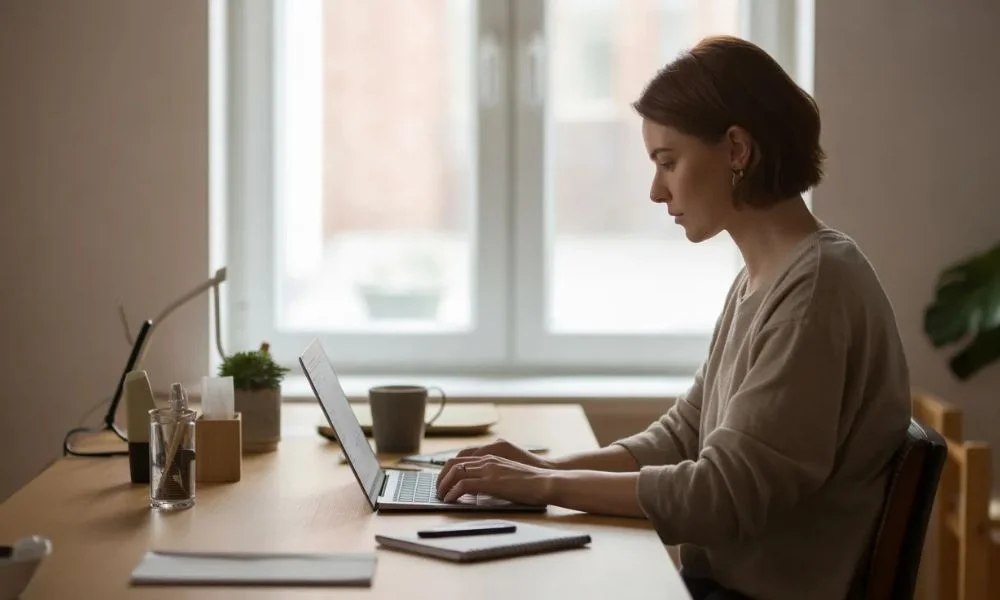
Second, build limits around work and screens. The WHO says unhealthy workloads and poor job design can harm mental health, while better working conditions can protect it. That means your daily boundaries are not selfish. They support your well-being.
Third, treat rest as part of a healthy life. The WHO explains burnout as a syndrome that comes from chronic workplace stress that has not been managed successfully. That is a strong reminder that people are not machines. Constant pressure without recovery has a cost.
This is why The Power of Slow Living is not weakness. It takes strength to say no to extra noise. It takes wisdom to stop before you burn out. It takes self-respect to choose a human pace in a world that keeps pushing for more.
Final Note
In the end, The Power of Slow Living is about returning to what feels real. It is about noticing that life is happening in small moments, not only in big milestones. Peace does not always come from changing everything. Often it comes from changing how you move through ordinary days.
You can begin today. Eat one meal without your phone. Walk for ten minutes without rushing. Leave one part of your evening quiet. These are small steps, but they can create a very different kind of life over time.
That is the lasting value of The Power of Slow Living. It helps you choose presence over pressure, meaning over noise, and peace over constant rush. In a busy world, that choice can change everything.
Check Also Latest Blogs.
FAQs
What is slow living in simple words?
Slow living means living with more intention. It is about doing things with care instead of rushing through everything.
Is slow living the same as being lazy?
No. Slow living is not about avoiding work. It is about removing unnecessary rush and giving proper attention to what matters.
Can working people follow slow living?
Yes. Even busy people can practice it through small habits like quiet mornings, fewer distractions, short walks, and better boundaries.
Does slow living help with stress?
It can help lower daily stress by reducing overload and increasing mindfulness. Harvard Health and the WHO both point to benefits from mindful habits, movement, and stress reduction practices.