Luxury Handbag Brands Worth Investing In for Long Term Value
The phrase “investment bag” gets used a lot, but not every expensive handbag is a smart long-term buy. A real investment piece usually does three things well: it stays stylish for years, holds demand in the resale market, and still feels useful in real life. That matters even more now, because luxury prices have climbed sharply in recent years. Vestiaire Collective says luxury brand prices have risen by roughly 25% to 50% over the last five years, while resale platforms continue to track strong demand for a handful of standout houses.
So, when people search for Luxury Handbag Brands Worth Investing In, the smartest answer is not “buy the trendiest bag you can afford.” It is “buy the brand and model with proven staying power.” Hermès remains the strongest name in resale by a wide margin, Chanel still benefits from relentless price discipline and collector demand, and brands like Louis Vuitton, Dior, Prada, Goyard, and Gucci continue to perform well when you choose the right pieces.
What makes a handbag worth the money
A bag usually holds value for the long run when it checks four boxes: timeless design, steady brand demand, controlled supply, and durable construction. That is why the same names keep showing up in resale reports. Buyers in the secondary market want styles they already recognize, trust, and can wear without the bag feeling dated in a year. Vestiaire’s value ranking is based on sales, resale growth, likes, searches, and offers, while Rebag’s Clair data looks at retail price and demand together.
Condition matters too. A great brand can still lose value fast if the bag is overstuffed, scratched, missing its dust bag, or bought in a loud seasonal color with short-lived appeal. In simple terms, the bag that looks easy to resell usually is. That is why neutral colors, classic hardware and core shapes win again.
Hermès is still the gold standard
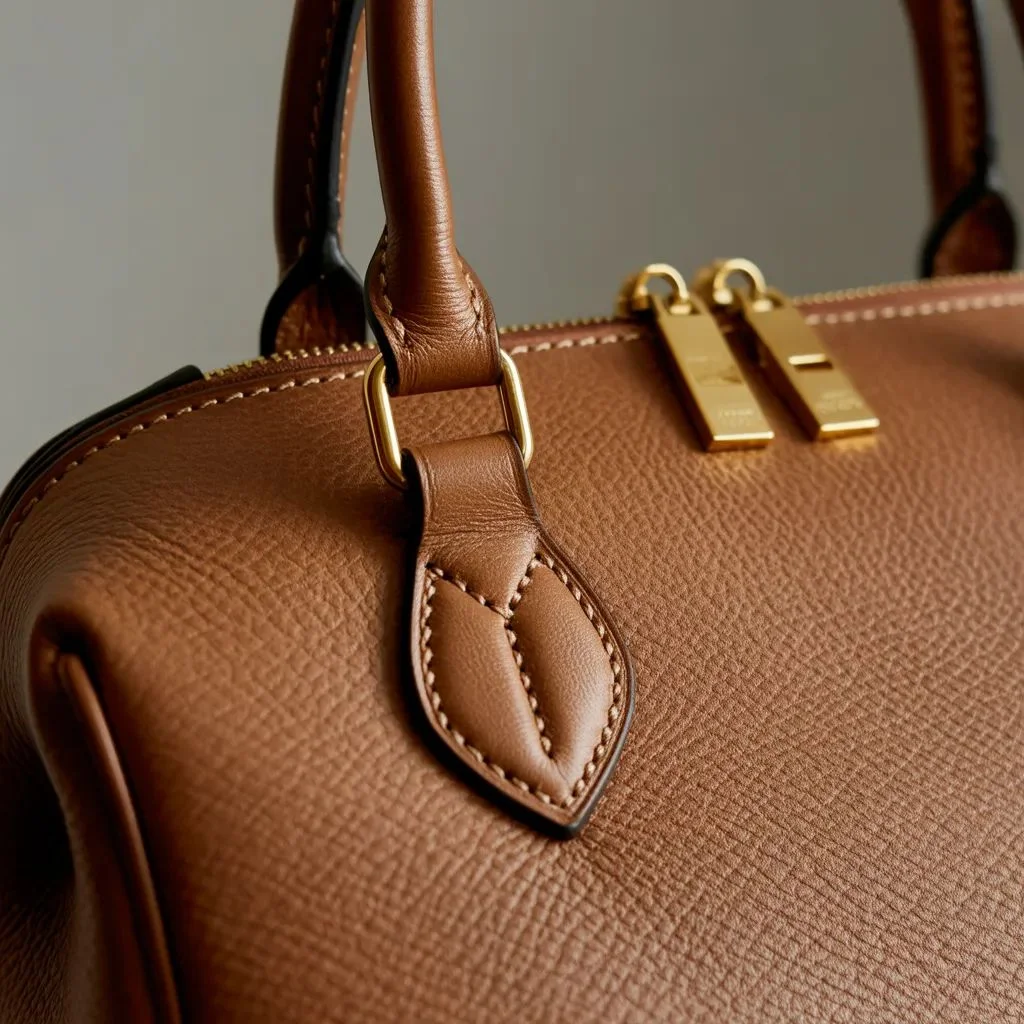
If your focus is pure long-term strength, Hermès still sits at the top. Rebag’s 2025 Clair Report said Hermès led the handbag category with 138% average retention, and some core styles performed far above that. The Kelly Mini II reached 282%, the Sellier Birkin hit 183%, and the Constance reached 137%. Sotheby’s also reported that overall Birkin sales grew more than 70% in 2025, with pristine Birkin 25 and 30 bags often trading around $28,000 to $30,000.
Why does Hermès work so well? Scarcity, craftsmanship, and prestige all feed each other. The bags are hard to get at retail, the quality is strong, and the brand does not chase trends the way many fashion houses do. If you want a handbag that behaves like a “blue-chip” fashion asset, Hermès is the closest thing the market has. For most buyers, the safest route is still a classic Birkin, Kelly or Constance in neutral leather with standard hardware.
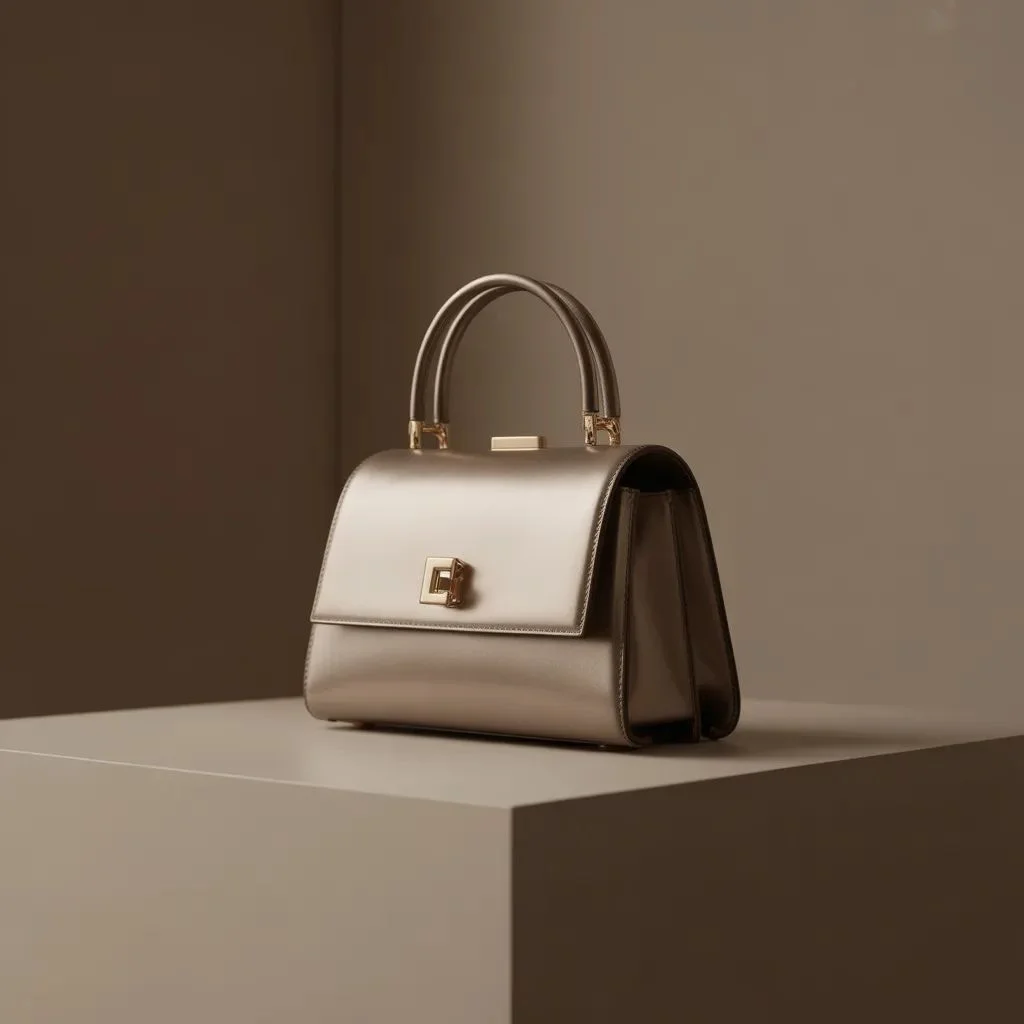
Chanel remains one of the safest luxury buys
Chanel is not quite Hermès in resale strength, but it is still one of the most reliable brands for long-term value. Sotheby’s reported that Chanel raised U.S. handbag prices by 4% to 7% across most core styles in 2025, pushing the Medium Classic Flap to $11,300. It also noted that resale prices remain strong, with pristine bags and rare discontinued styles in especially high demand.
That steady upward pricing matters because it helps older bags look more attractive on the secondary market. A buyer who sees today’s boutique price often becomes more comfortable paying a strong pre-owned price for a well-kept classic. Chanel works best when you stay close to the house’s signatures: the Classic Flap, the 2.55 family, elegant minis, and other long-running silhouettes. A lot of people learn this the hard way: they buy the “hot” seasonal color everyone posts for three months, then discover that resale buyers mostly want black, beige or other classics.
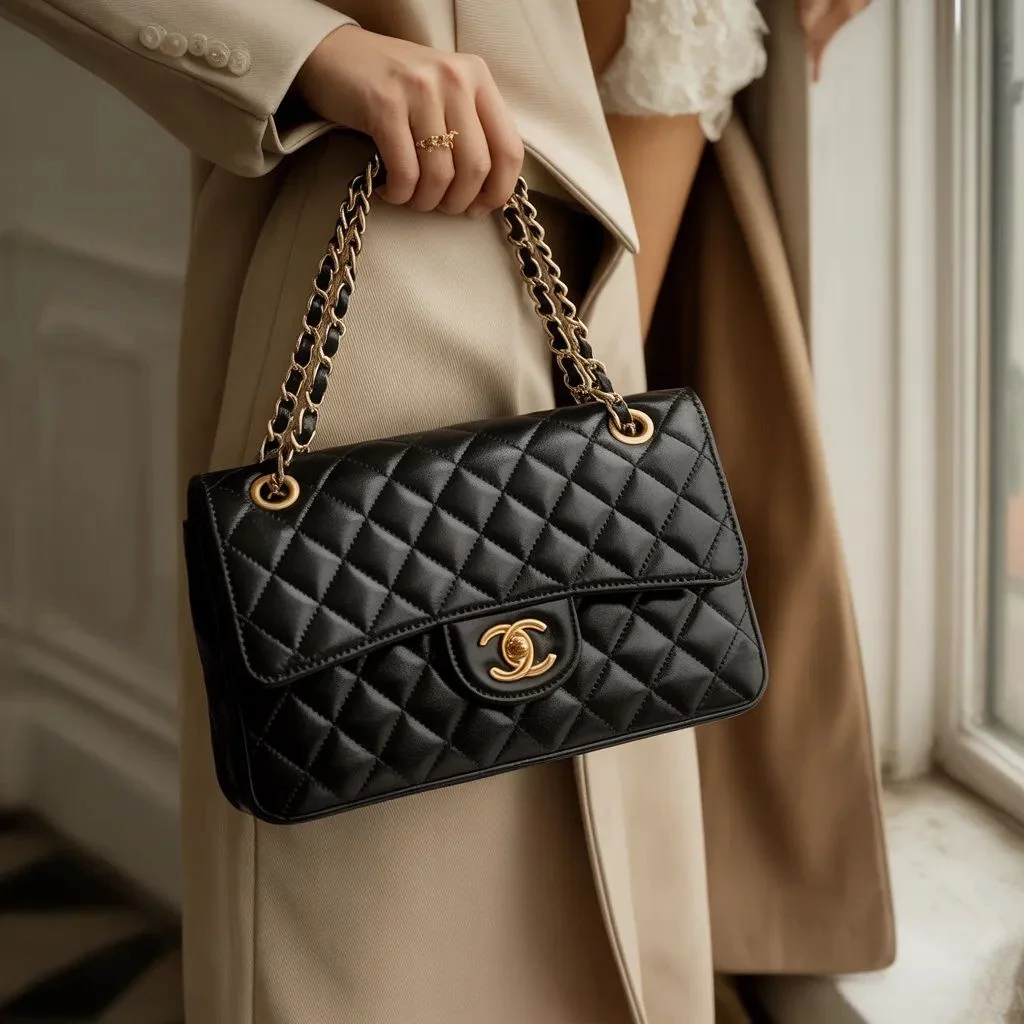
Louis Vuitton offers the best mix of usability and resale
For many shoppers, Louis Vuitton is the most practical entry into Luxury Handbag Brands Worth Investing In. It may not carry the same exclusivity premium as Hermès, but it often does something just as important: it gives you a bag you will use. And daily-use icons tend to stay liquid in resale because the buyer pool is huge.
Vestiaire says that a Neverfull bought five years ago would now show about $165 in profit, while a Nano Speedy from the same period would show about $365. Rebag also reported that the Louis Vuitton x Takashi Murakami return pushed top styles above 130% resale value, with the High-Rise Bum Bag at 142% and the Pochette Accessoires at 130%.
That tells us two things. First, Louis Vuitton classics still have long-term demand. Second, the brand gets an extra boost when nostalgia, limited editions, or iconic collaborations come back into focus. The safest Louis Vuitton buys are still the pieces people use across generations: Speedy, Neverfull, Pochette-style bags, and clean monogram or damier staples. If you want a bag that balances prestige, wearability, and resale flexibility, Louis Vuitton is a very smart choice.
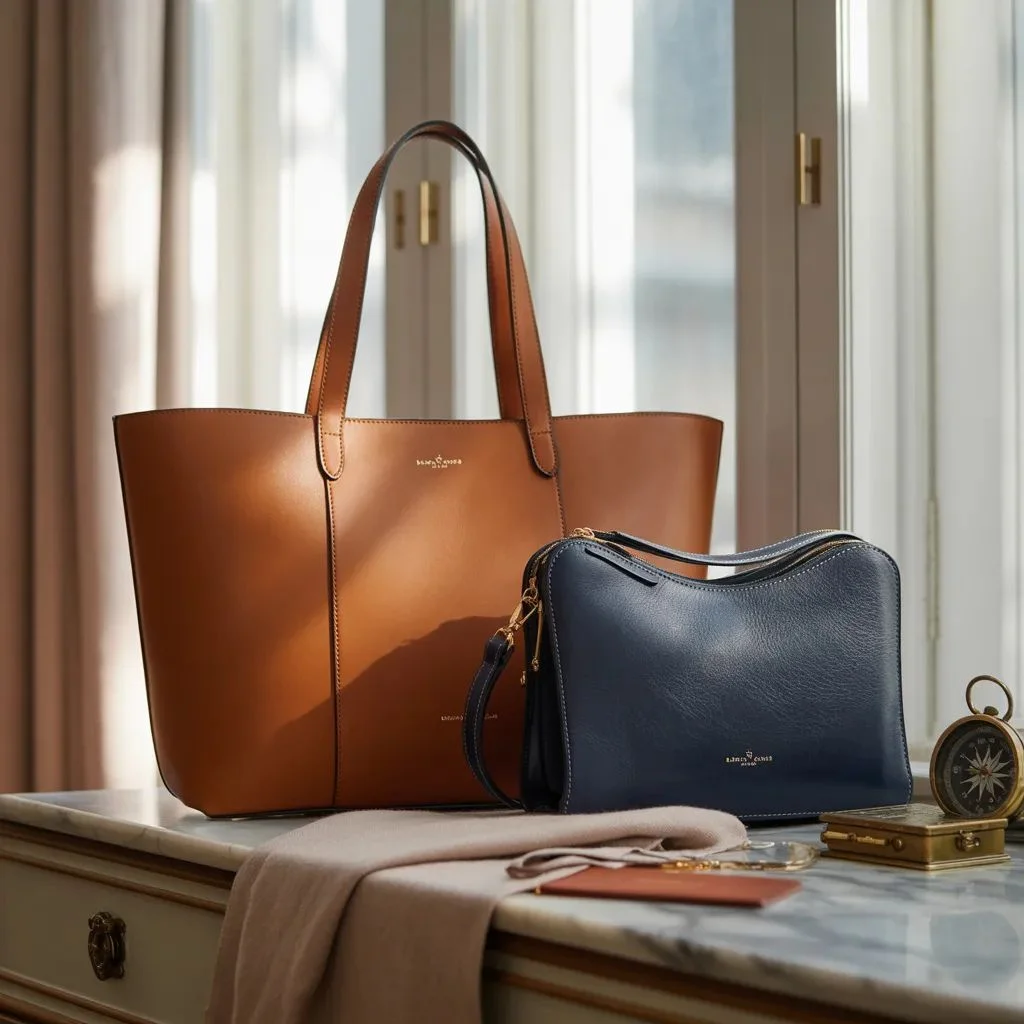
Dior is one of the strongest quiet climbers
Dior does not always dominate handbag investment conversations, but it deserves more respect than it gets. Vestiaire says Dior’s resale value increased 12% over the past five years, which puts it among the stronger upward-moving luxury houses in today’s market. It also grouped Dior with Chanel, Gucci, and Prada as brands likely to remain wise investments for years to come.
What makes Dior appealing is its mix of heritage and polish. The brand has recognizable house codes, strong evening appeal, and enough fashion credibility to keep collectors interested without feeling disposable. For long-term value, the smarter Dior route is to stay with established house signatures rather than highly seasonal novelty bags. Dior is especially good for buyers who want something elegant and recognizable, but a little less predictable than Chanel or Louis Vuitton.
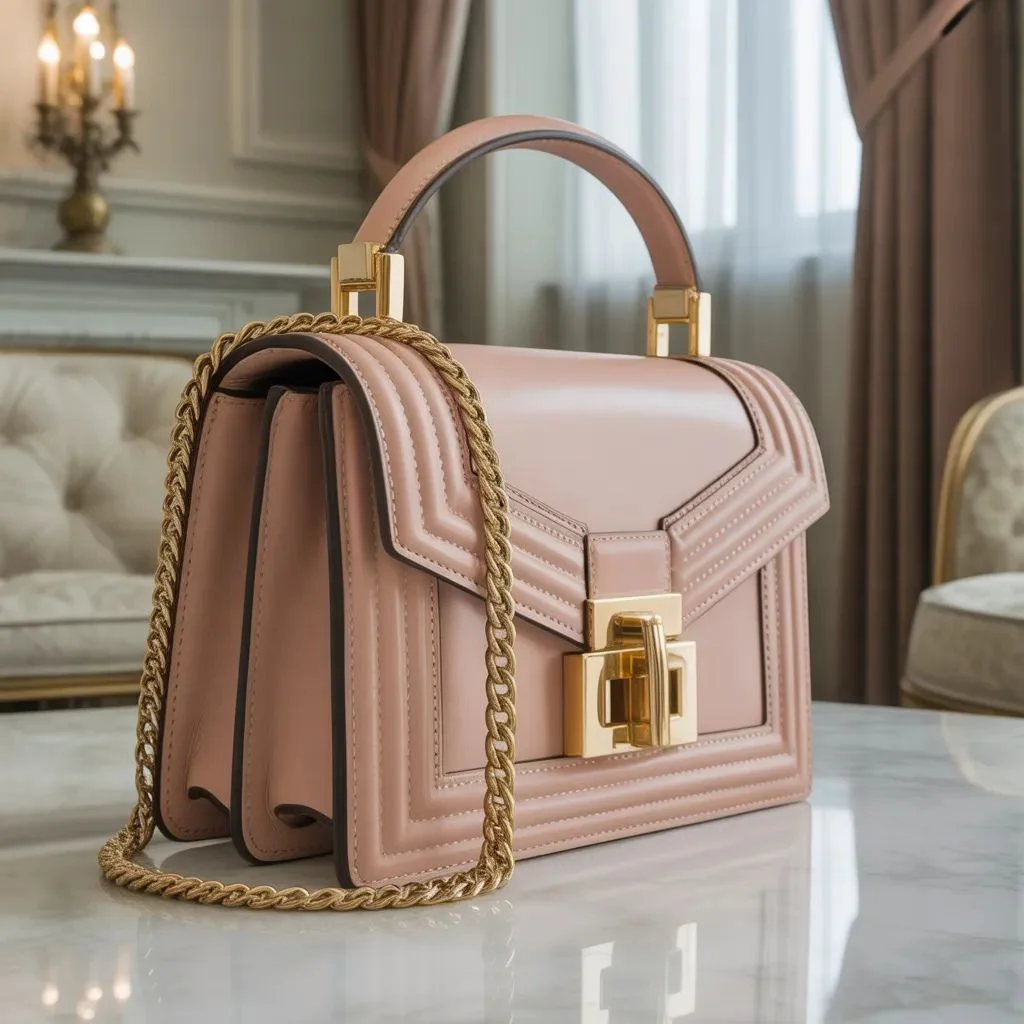
Prada has become a more serious long-term player
Prada has also been gaining ground. Vestiaire reported that Prada’s resale value rose 11% over the past five years and specifically named it among the brands that look like wise long-term buys. That may not sound dramatic next to Hermès, but it is meaningful because Prada used to be seen more as a fashion buy than a value buys.
Today, Prada benefits from two strong lanes: sleek leather classics and its highly recognizable nylon legacy. That gives it a wider audience than many brands in the same price range. If you buy Prada carefully, it can be one of the smartest “under-the-radar” names in the category. It may not double in value, but it has a better chance than many trend-led brands of still feeling relevant and sellable years from now.
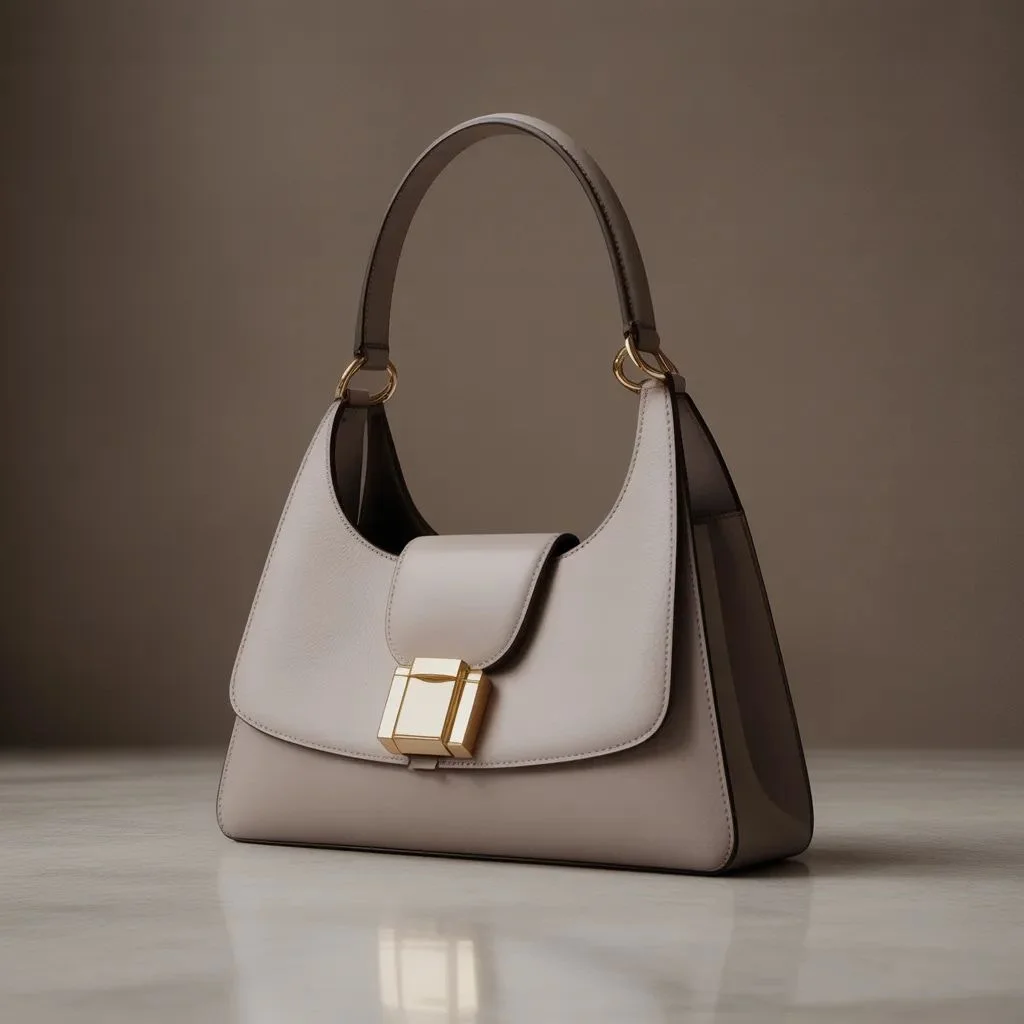
Goyard proves that quiet scarcity can be powerful
Goyard is one of the most interesting names on this list because it performs like a stealth luxury asset. Rebag said Goyard averaged 132% retention in 2025, placing it just behind Hermès among the biggest brands of the year. Sotheby’s also noted that demand for the Saint Louis tote was at an all-time high and that secondary market prices for new-condition totes were above retail.
That is impressive for a brand that does not advertise heavily and still feels relatively under-distributed compared with bigger fashion houses. Goyard’s appeal comes from understatement, rarity, and daily usefulness. The Saint Louis tote is the obvious example: lightweight, recognizable to the right audience, and easy to carry. If your taste leans quiet rather than flashy, Goyard is one of the smartest names in Luxury Handbag Brands Worth Investing In right now.
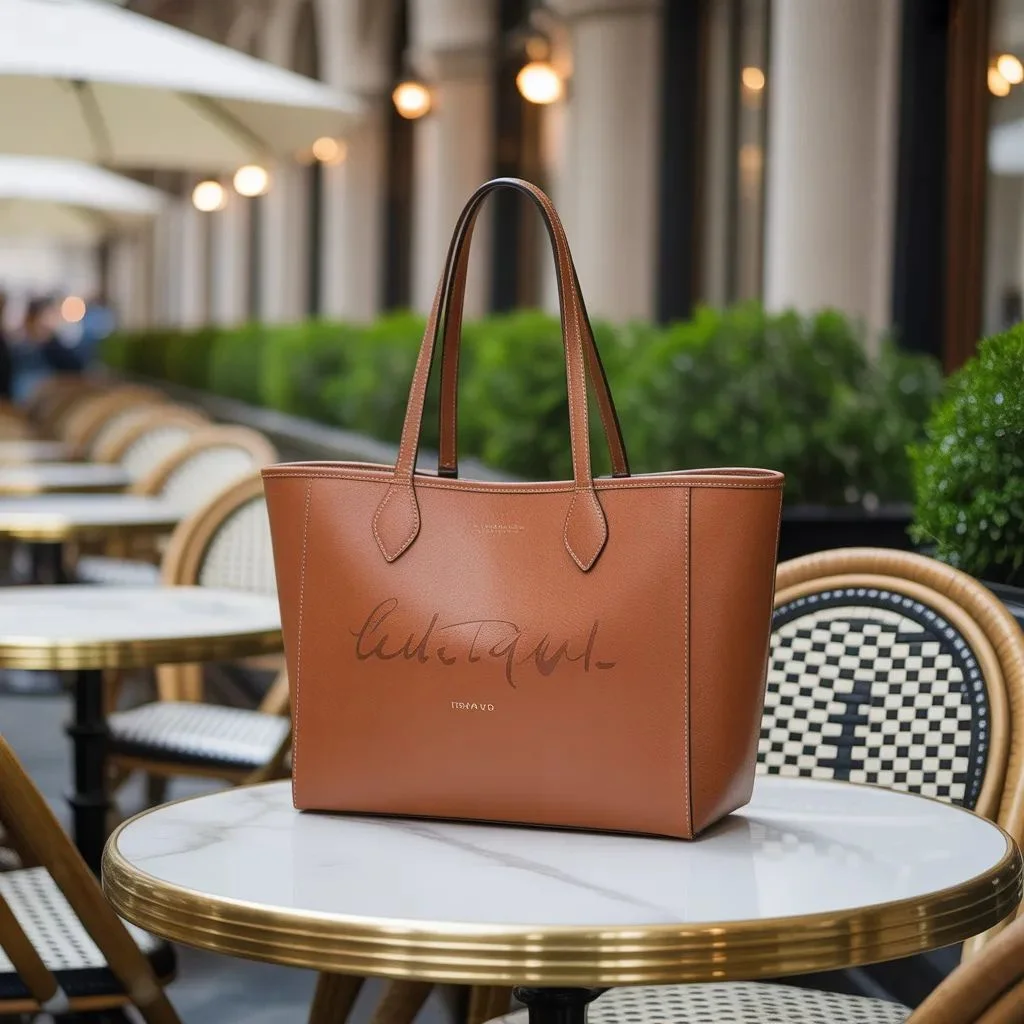
Gucci is worth buying, but only if you choose carefully
Gucci belongs on this list, but with a little caution. Vestiaire said Gucci led pre-loved sales on its platform in one recent quarter, and that the Jackie and Marmont were the top two Gucci bag spots in demand. It also grouped Gucci among the luxury brands likely to remain wise investments for many years.
The catch is that Gucci can swing harder with fashion cycles than Hermès, Chanel, or Goyard. That means the right Gucci bag can be a smart buy, but the wrong one can age fast. If you want long-term value, stick to the cleaner icons with long histories and broad appeal. The Jackie is usually the safer example because it feels elegant, recognizable, and less tied to one short trend cycle. Gucci can still be a strong buy, but it rewards selectiveness more than blind loyalty.
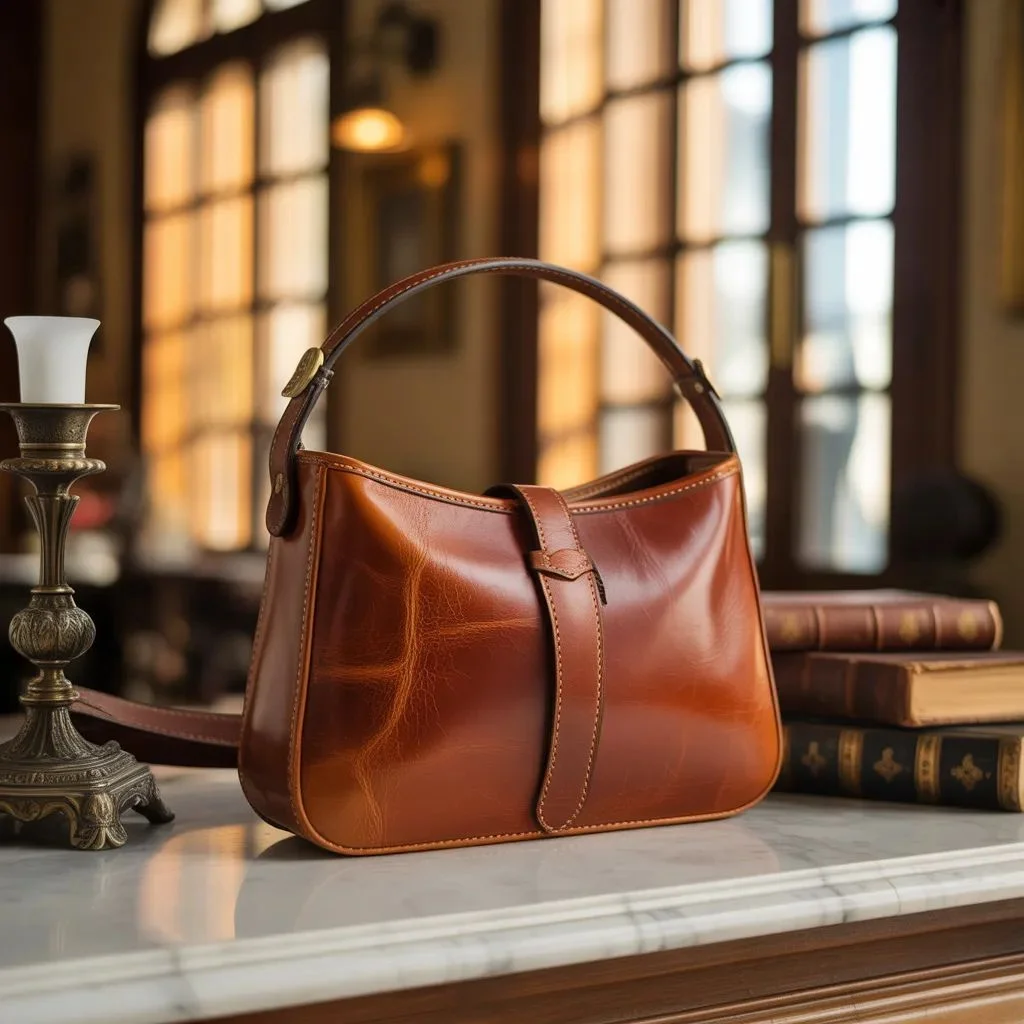
The smartest way to shop these brands
If you want long-term value, buy the most boring version of the right bag. That sounds funny, but it works. Black, tan, cream, navy, and other neutral tones usually resell more easily than bright seasonal shades. Gold or classic silver hardware is easier to place than unusual finishes. Medium sizes often age better than extremes. And unless you are an expert collector, limited editions are only worth chasing when demand is already proven.
This is also where pre-owned shopping can be brilliant. A well-bought pre-owned classic can protect you from the first hit of depreciation, while still giving you access to a strong brand. Vestiaire’s report repeatedly points buyers toward negotiation, value ranking, and timeless pieces that will be worn on repeat, which is a good mindset for any handbag purchase.
Small care habits that protect resale value
Buying well is only half the job. Keeping the bag valuable is the other half. Store it upright, use the dust bag, keep stuffing inside to hold the shape, and avoid hanging it by the handles for long periods. Try not to overload totes, and do not toss receipts, care cards, or packaging if the brand provides them. Buyers love a “full set,” and even when it does not change the price dramatically, it can make the bag easier to sell.
Think about your future buyer while you own the bag. If you can imagine writing the resale listing today, you will usually make better choices about color, wear, storage, and maintenance.
The Final verdict
The best answer to Luxury Handbag Brands Worth Investing In is not one brand. It is a shortlist.
If you want the strongest resale power, start with Hermès. If you want a safer mainstream classic, choose Chanel. If you want the best mix of daily use and resale flexibility, Louis Vuitton is hard to beat. If you want rising houses with strong long-term promise, Dior and Prada are excellent picks. If you prefer quiet luxury with serious scarcity, look at Goyard. And if you love Gucci, buy its enduring icons, not its loudest seasonal experiments.
In the end, the smartest handbag investment is the one you can carry for years without getting tired of it. Long-term value comes from that sweet spot where craftsmanship, demand and personal style meet.
Recommended: Most Valuable Chanel Bags to Invest in Right Now.