Feminine Hobbies for Women Who Want a More Creative and Fulfilling Life
A hobby is not a task to finish or a skill to show off. It is time that belongs to you, spent on something that makes an ordinary day feel richer. The best feminine hobbies are the ones that fit into real life: they calm a busy mind, use your hands, and leave you with something beautiful, useful, or simply a quieter head.
This list is not about becoming an expert. It is about finding one or two things that feel good to return to, week after week. Some are creative, some are physical, and some are simply restful. Start with the one that already makes you curious, not the one that looks most impressive.
01 – Pottery on the Wheel
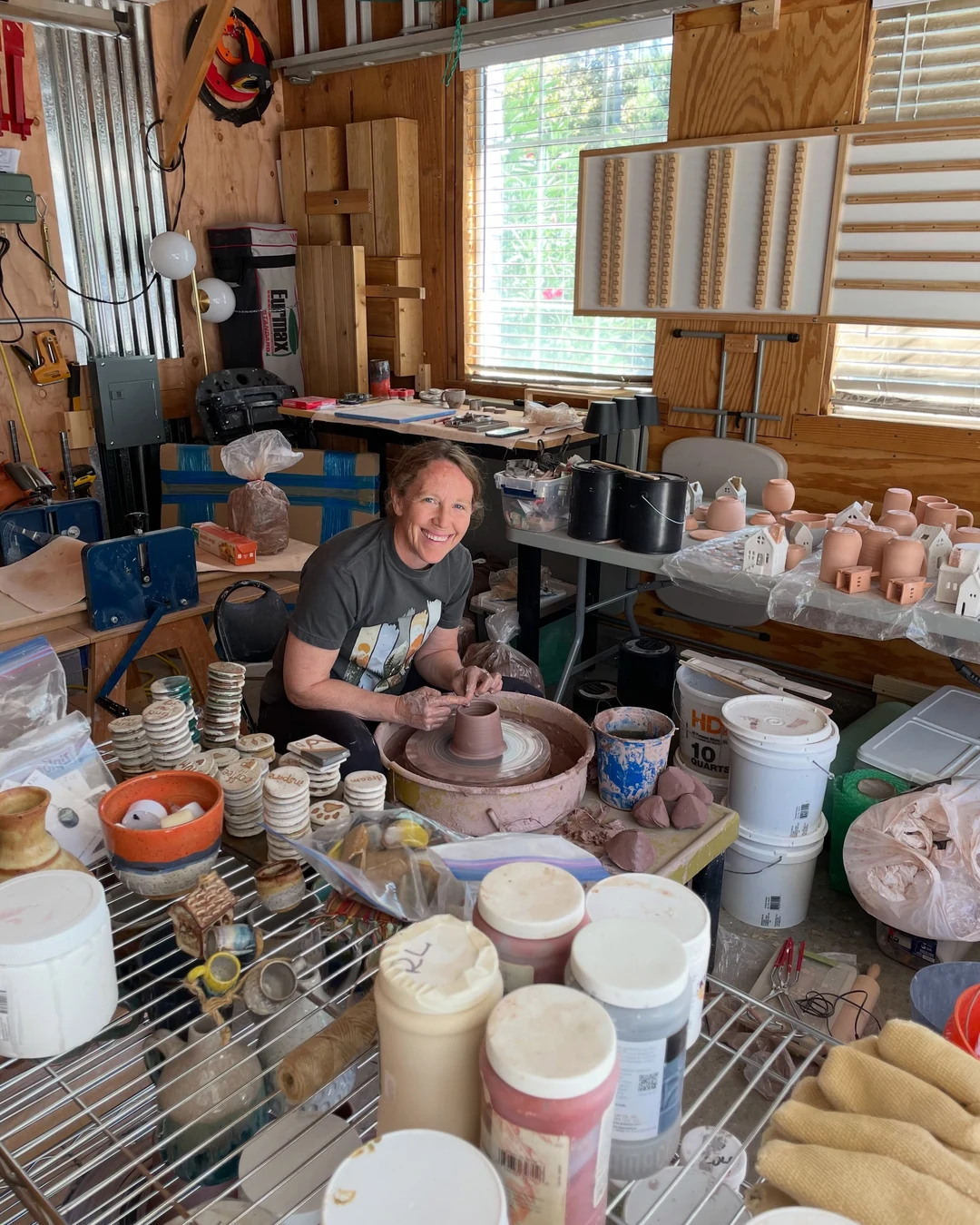
Image credit: @erinkillianpottery
Pottery is wonderfully absorbing. Once the wheel starts spinning, there is little room in your head for anything else, and that focus is a large part of its appeal. A first class usually teaches centring, pulling up a simple cylinder, and trimming, which is enough to make a small bowl or cup you can actually use.
Clay is forgiving in a way that suits beginners. A wobbly pot still holds pens, plants, or jewellery, and the next one will be steadier. Book a single taster class before buying any equipment, so you know you enjoy the mess before you commit.
02 – Painting Large and Loose
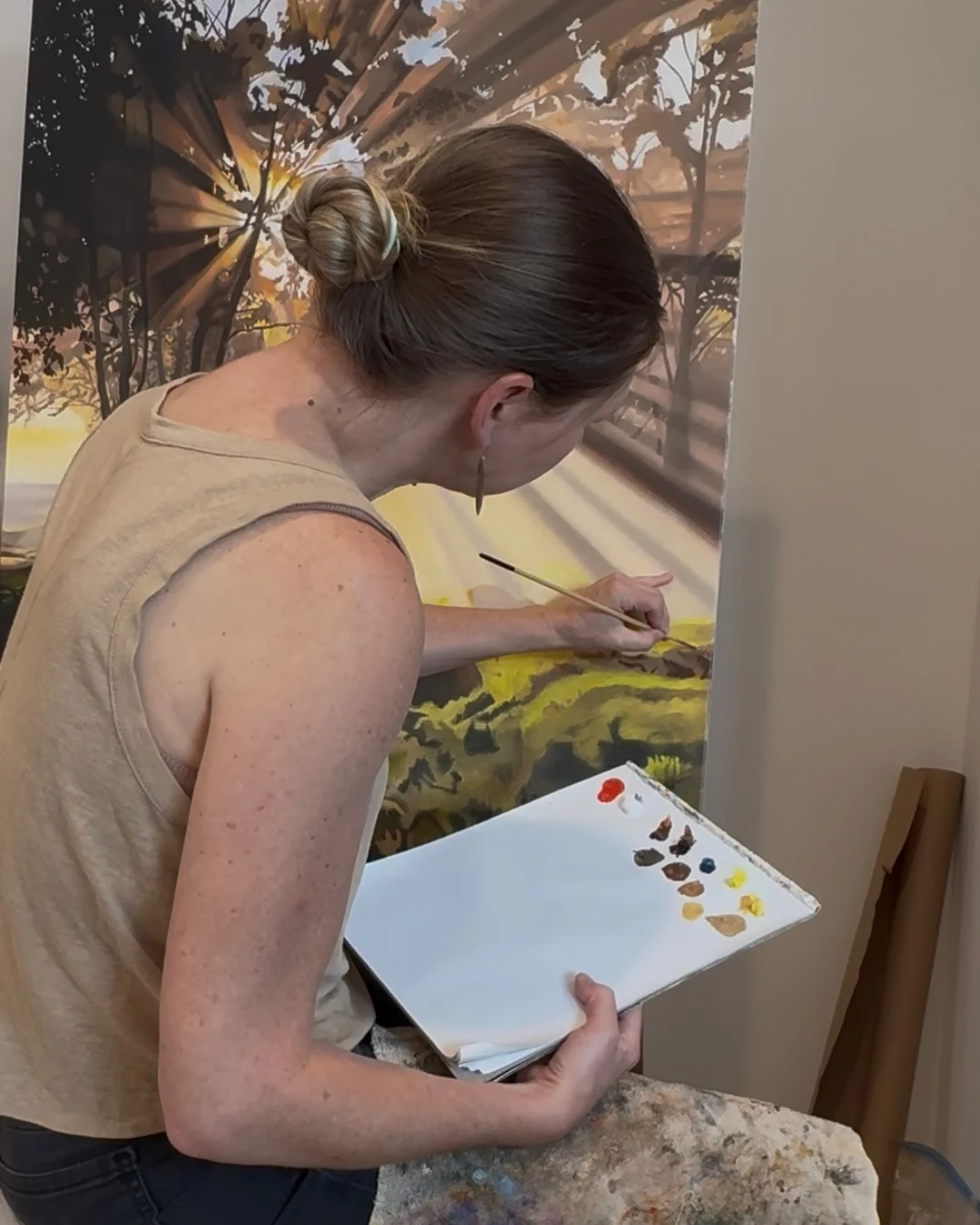
Image credit: @undergrowthgb
Painting does not need to look like a gallery piece to be worth doing. Large, loose painting is especially freeing, because a big canvas forgives small mistakes and encourages bold colour. Acrylics are a practical starting point: they dry quickly, clean up with water, and let you paint over anything you dislike.
Keep the set-up simple. One canvas, three or four colours, two brushes, and a surface you do not mind splashing are enough for a first session. Paint the feeling of a scene, not a perfect copy of it, and the pressure drops away.
03 – Gardening for Slow Mornings
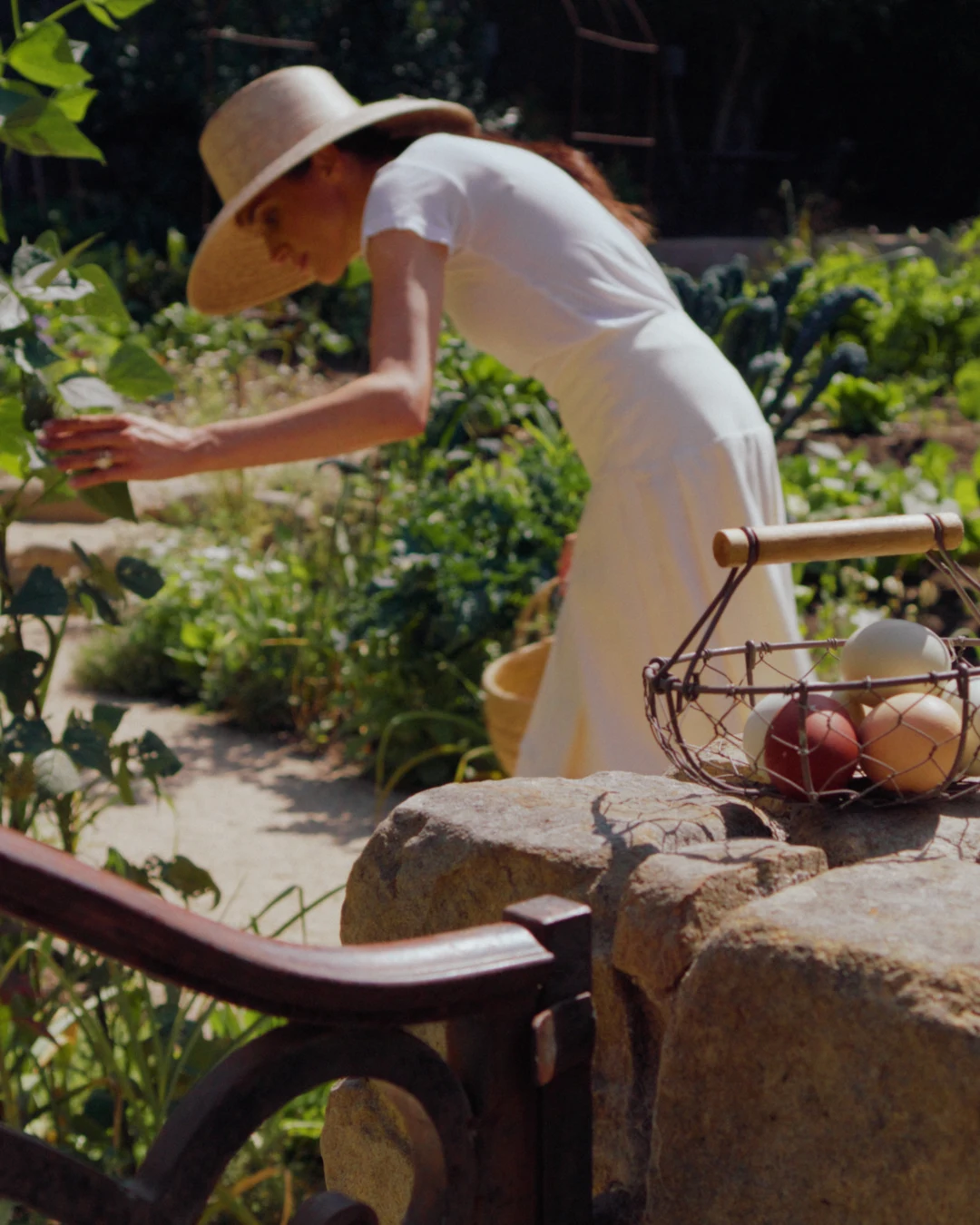
Image credit: @aseverofficial
Gardening gives you a reason to step outside before the day speeds up. Even a small patch, a balcony pot, or a windowsill of herbs offers the same gentle rhythm: water, prune, wait, and notice what has changed. It is exercise without a workout, and patience without a lecture.
Start with plants that suit your light and your honesty about watering. Herbs, lettuce, and hardy flowers reward beginners quickly, while fussy plants can wait until you know your garden better. Ten minutes outside with your plants counts as a real gardening session.
04 – Flower Arranging
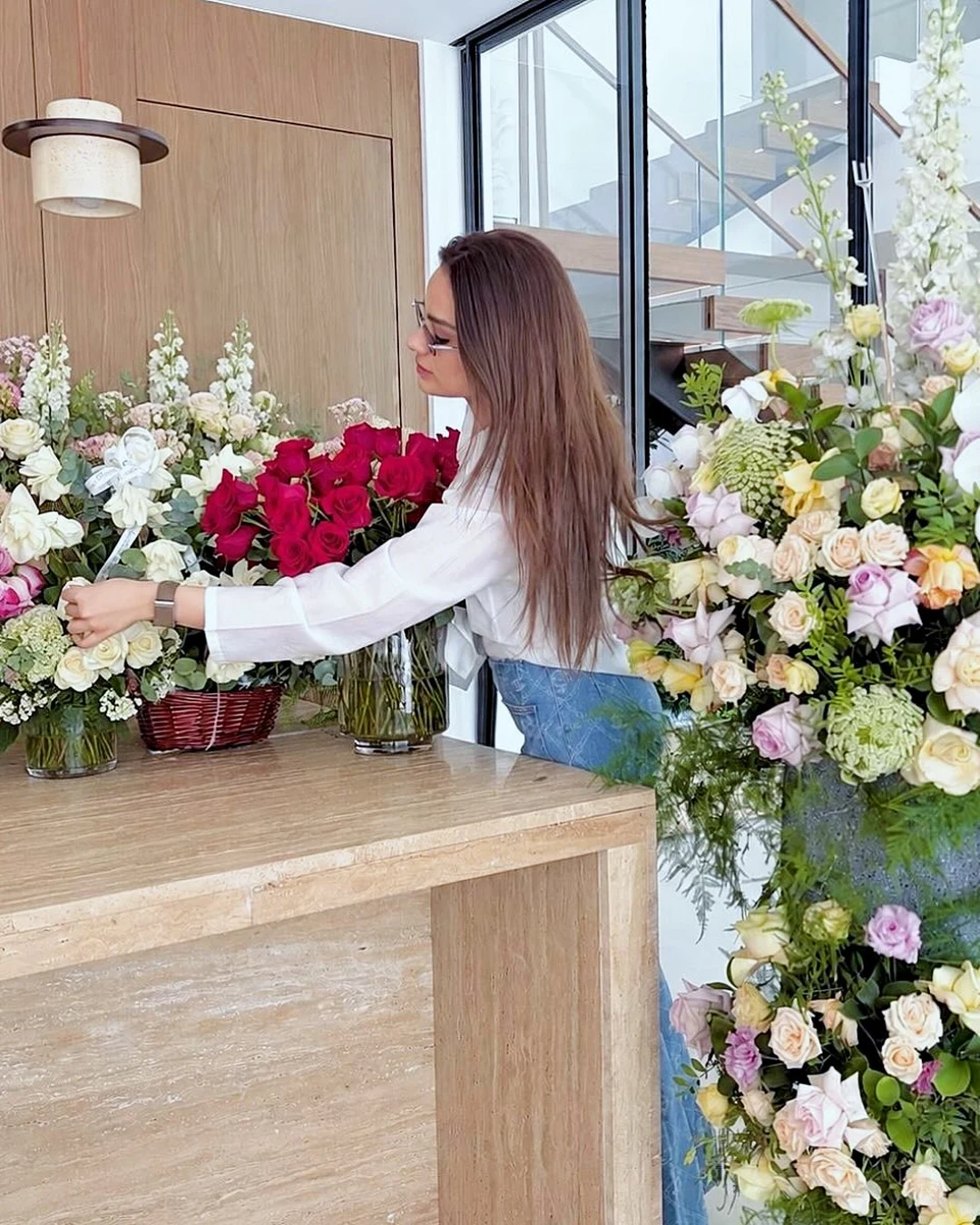
Image credit: @alyzehgabol
Flower arranging turns a bunch of supermarket stems into something that looks considered. The basics are simple: trim stems at an angle, remove leaves that would sit in water, and build height in the middle with softer flowers around the edges. A few filler stems make a small bunch look generous.
You do not need florist tools to begin. Sharp scissors, a clean vase, and fresh water changed every couple of days will keep most arrangements going for a week. Choose one hero flower and let the rest support it, rather than buying ten competing colours.
05 – Baking Bread at Home
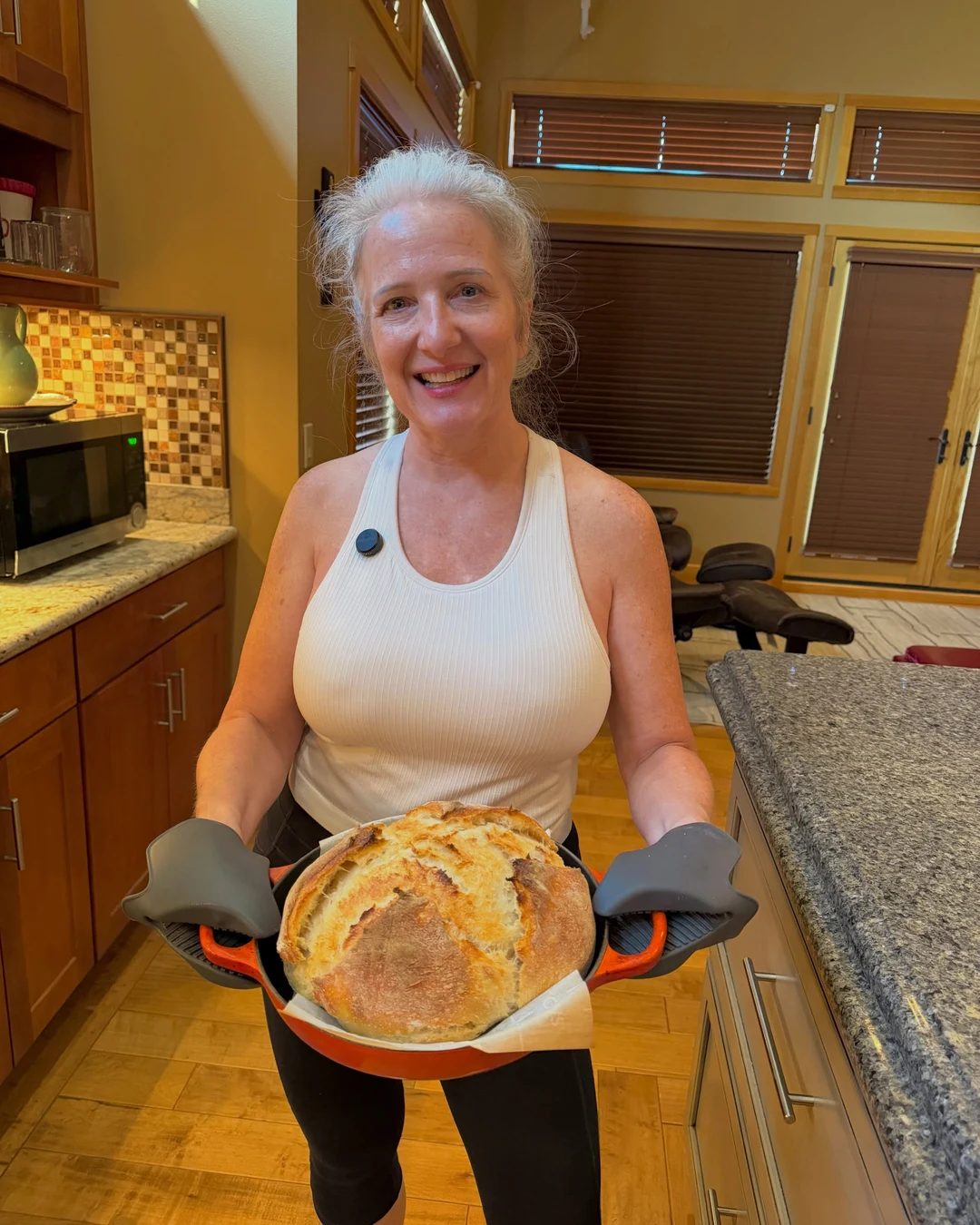
Image credit: @bombshellnurseofficial
There is something deeply satisfying about bread: flour, water, salt, and yeast become a warm loaf with very little equipment. A simple no-knead recipe is the kindest place to start, because most of the work is waiting, not kneading, and the result still tastes like a small achievement.
Baking also slows a weekend down in a good way. While the dough rises, you can read, tidy, or simply sit with a cup of tea, and the house smells wonderful by the end of it. Start with one reliable recipe and repeat it until it feels easy, before trying sourdough.
06 – Sewing Your Own Clothes
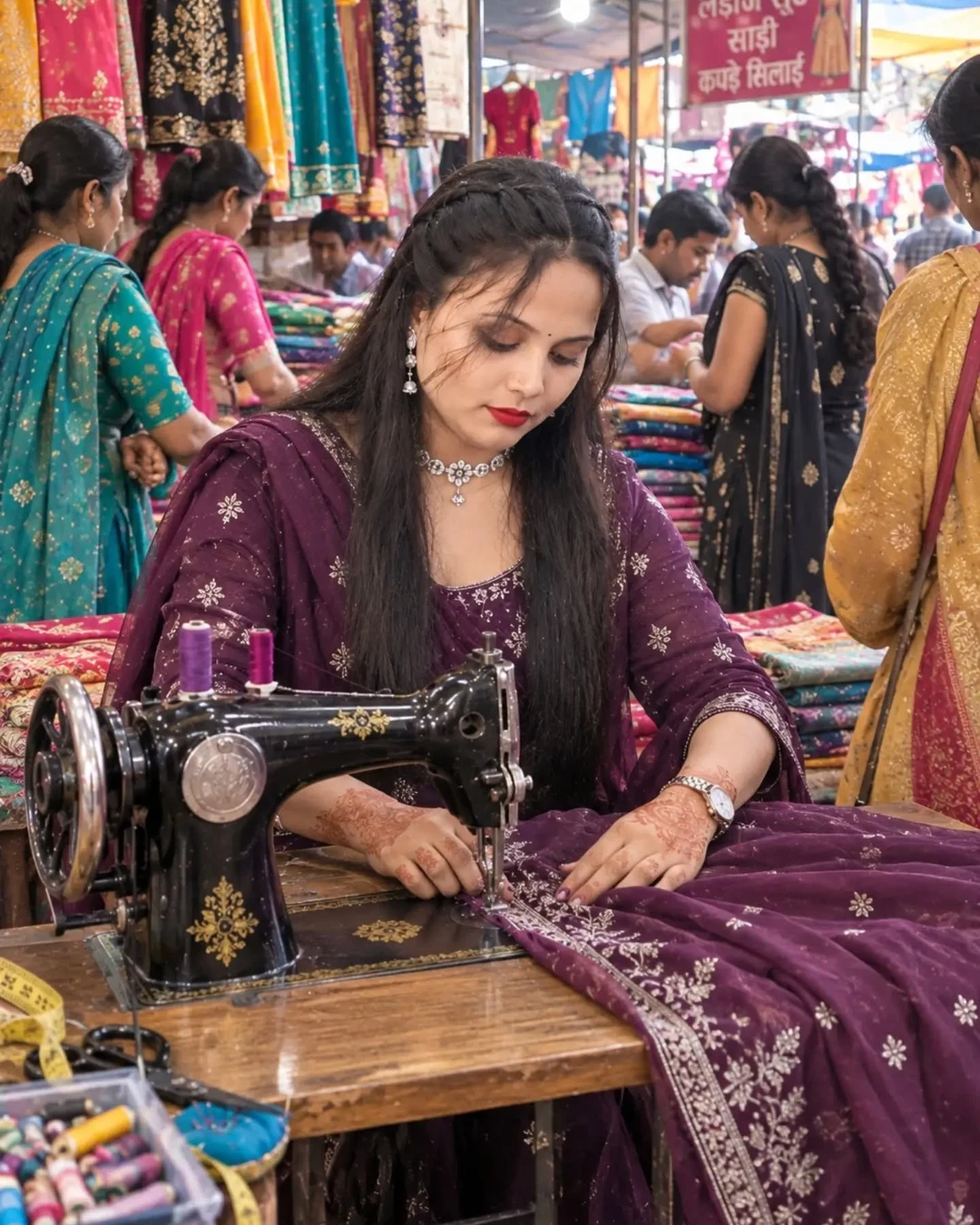
Image credit: @aarti_official_100k
Sewing changes how you see clothes. Once you have made a simple skirt or altered a hem yourself, you notice construction, fit, and fabric in a completely different way. It is also practical: hems, buttons, and small repairs stop being reasons to throw something away.
Begin with straight seams and simple patterns, such as a tote bag, a cushion cover, or an elastic-waist skirt. A basic machine, good scissors, and patience matter far more than fancy attachments. Sew slowly on your first projects; neat, even stitches beat speed every time.
07 – Knitting Something Warm
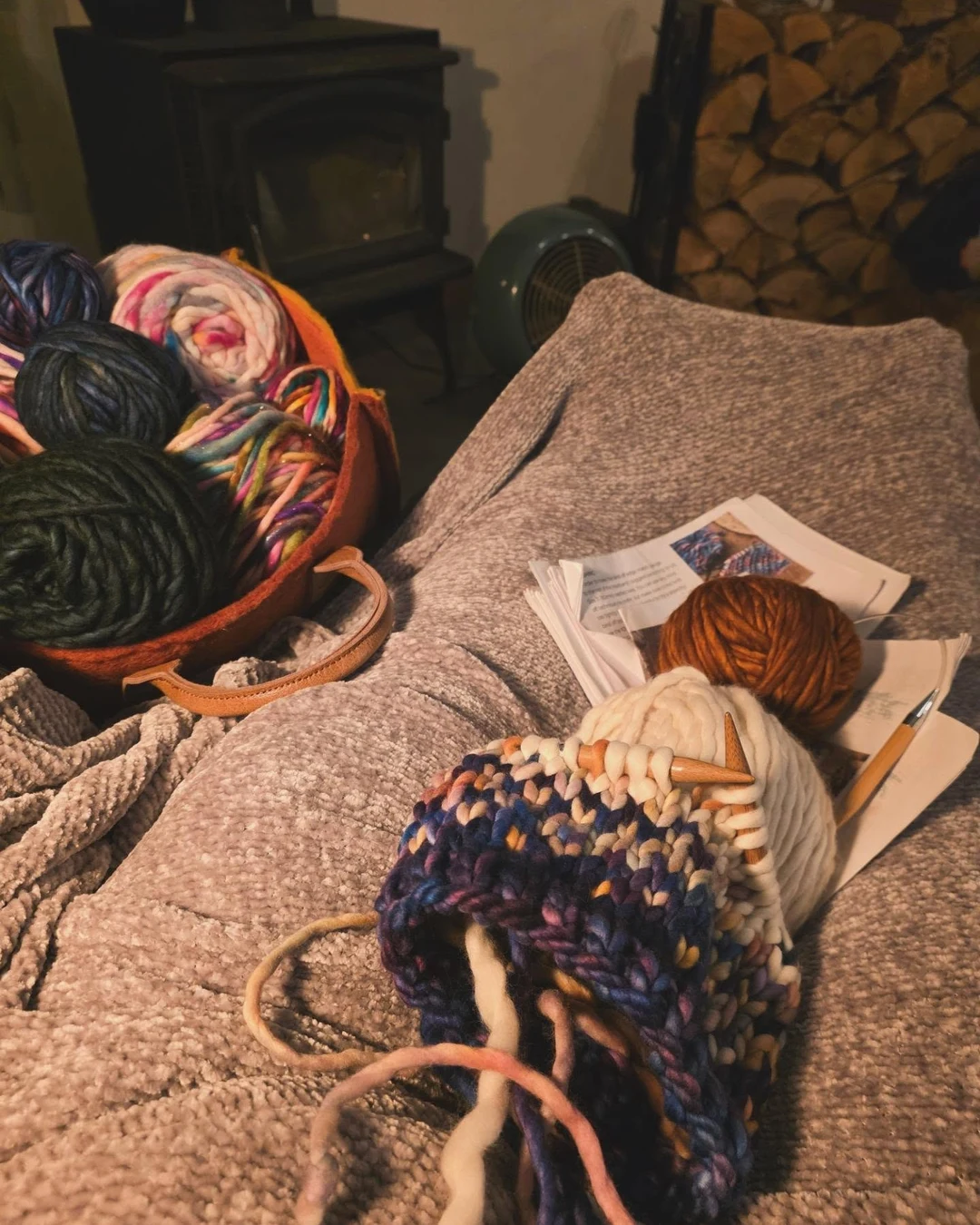
Image credit: @northroadknits
Knitting is the hobby that travels well: it fits in a bag, fills waiting time, and ends with something warm you can wear or give away. The rhythm of knit and purl is calming once your hands learn it, and many knitters describe it as a kind of moving meditation.
A chunky scarf in a soft yarn is the classic first project, because progress is visible quickly and tension does not need to be perfect. Keep your first pattern short and written in plain language, and watch one tutorial for casting on before you begin. Count your stitches at the end of every row at first; it saves unravelling later.
08 – Hand Embroidery
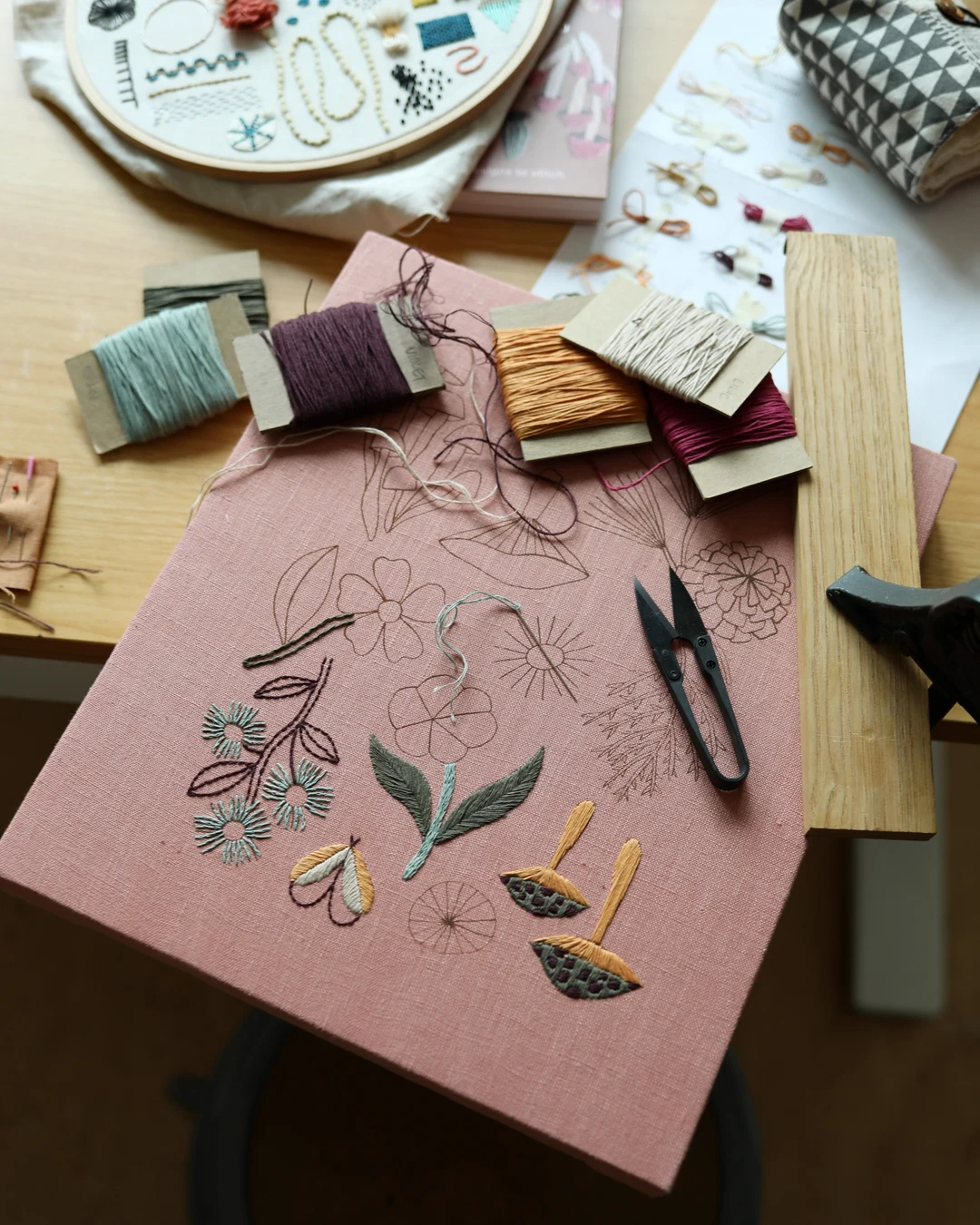
Image credit: @bookhou
Hand embroidery is slow craft at its prettiest. A hoop, a needle, and a few skeins of thread are enough to stitch flowers, initials, or small pictures onto fabric, and the work is easy to pick up for twenty minutes in the evening. Unlike many crafts, it needs almost no space and makes almost no mess.
Sampler kits are a gentle start because the design is printed and the stitches are listed. Once you know five or six basic stitches, you can design your own pieces or decorate plain clothing and napkins. Work in good light and keep your stitches loose; tight pulling puckers the fabric.
09 – Journaling by Hand
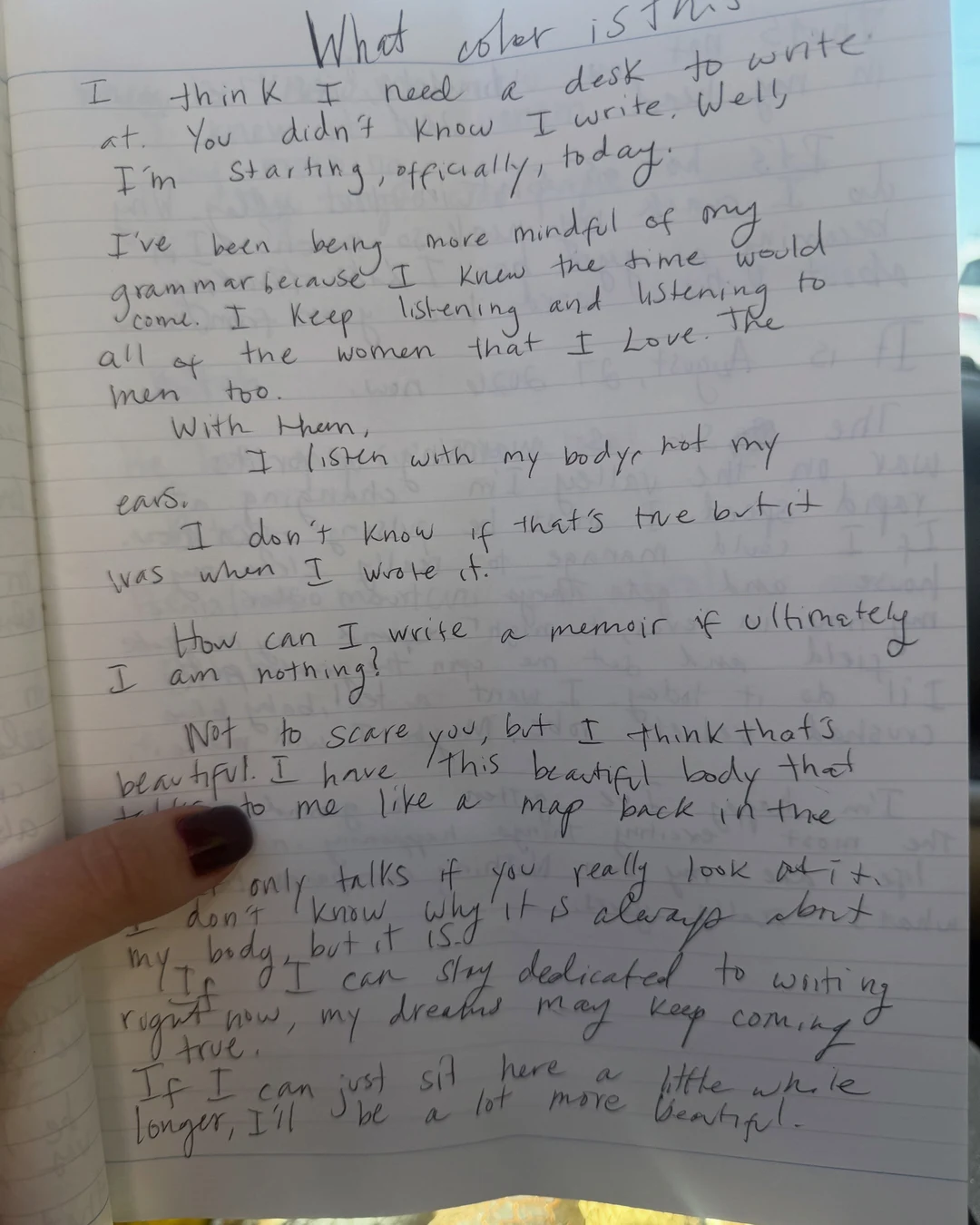
Image credit: @lexeesmith
Journaling is a hobby that asks for nothing except honesty and a pen. Writing by hand slows your thoughts down just enough to notice them, which is why so many women use a journal to untangle a busy day, plan a week, or keep a record of small good things.
There is no right format. Some days a list is enough, other days a full page helps, and a gratitude line or two can close an entry gently. Keep the notebook somewhere visible, not hidden in a drawer, so it becomes part of your routine. Write for yourself, not for an audience, and the pages will stay honest.
10 – Reading for Pleasure
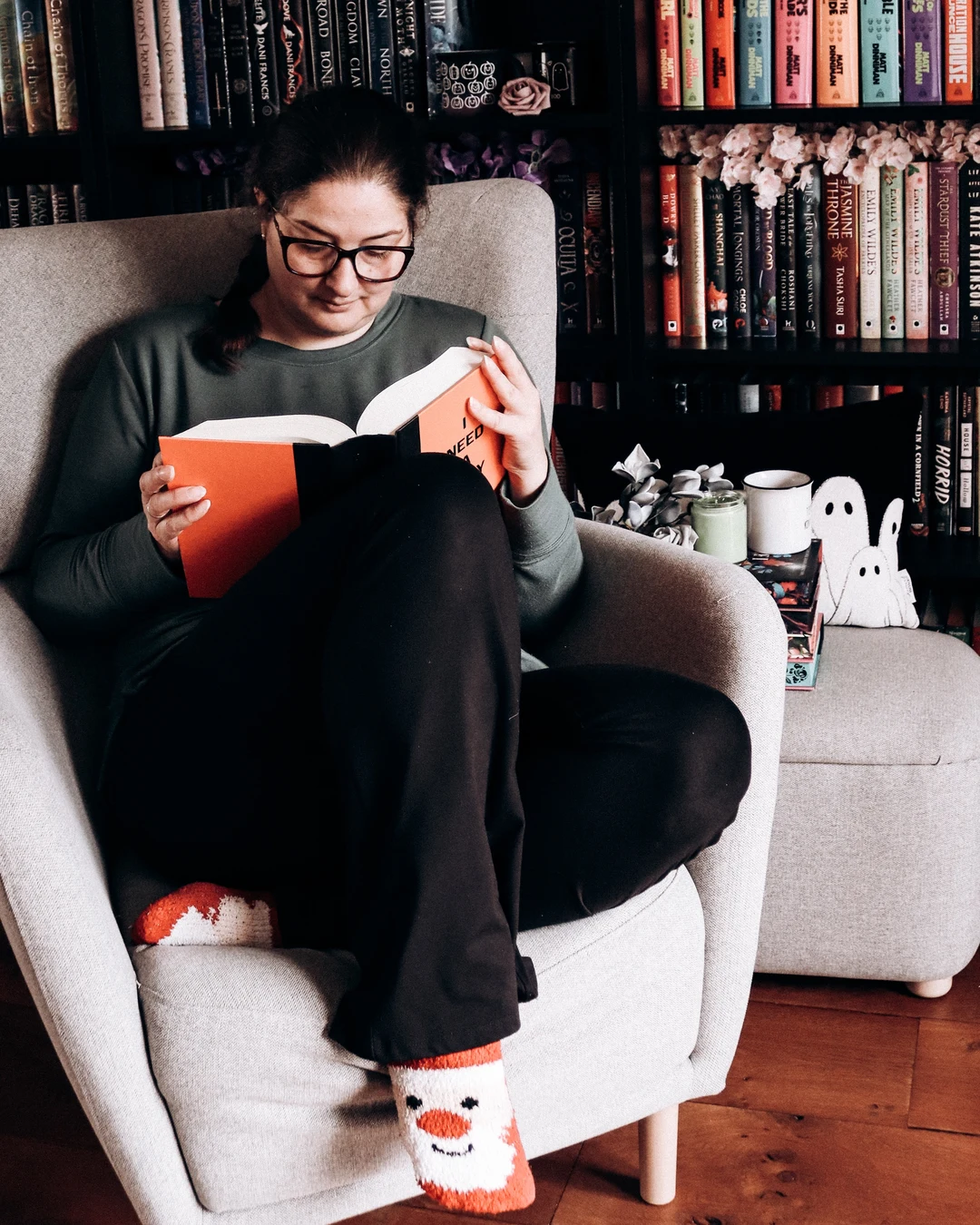
Image credit: @ancareads
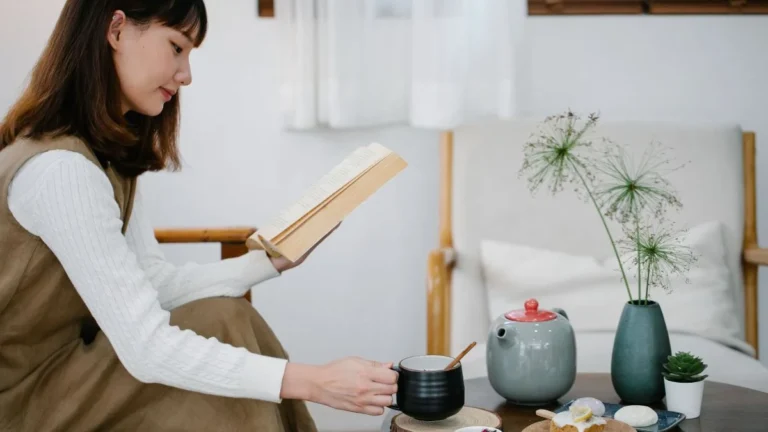
Reading for pleasure is the quietest hobby on this list, and often the most restorative. It gives your mind somewhere else to live for a while, without a screen, and it fits into gaps that already exist: a commute, a lunch break, or twenty minutes before sleep.
The trick is choosing books you actually want, not books you feel you should read. A book you abandon is not a failure; it is information about your taste. Keep a book where you usually reach for your phone, and reading becomes the easier choice.
11 – Adult Ballet
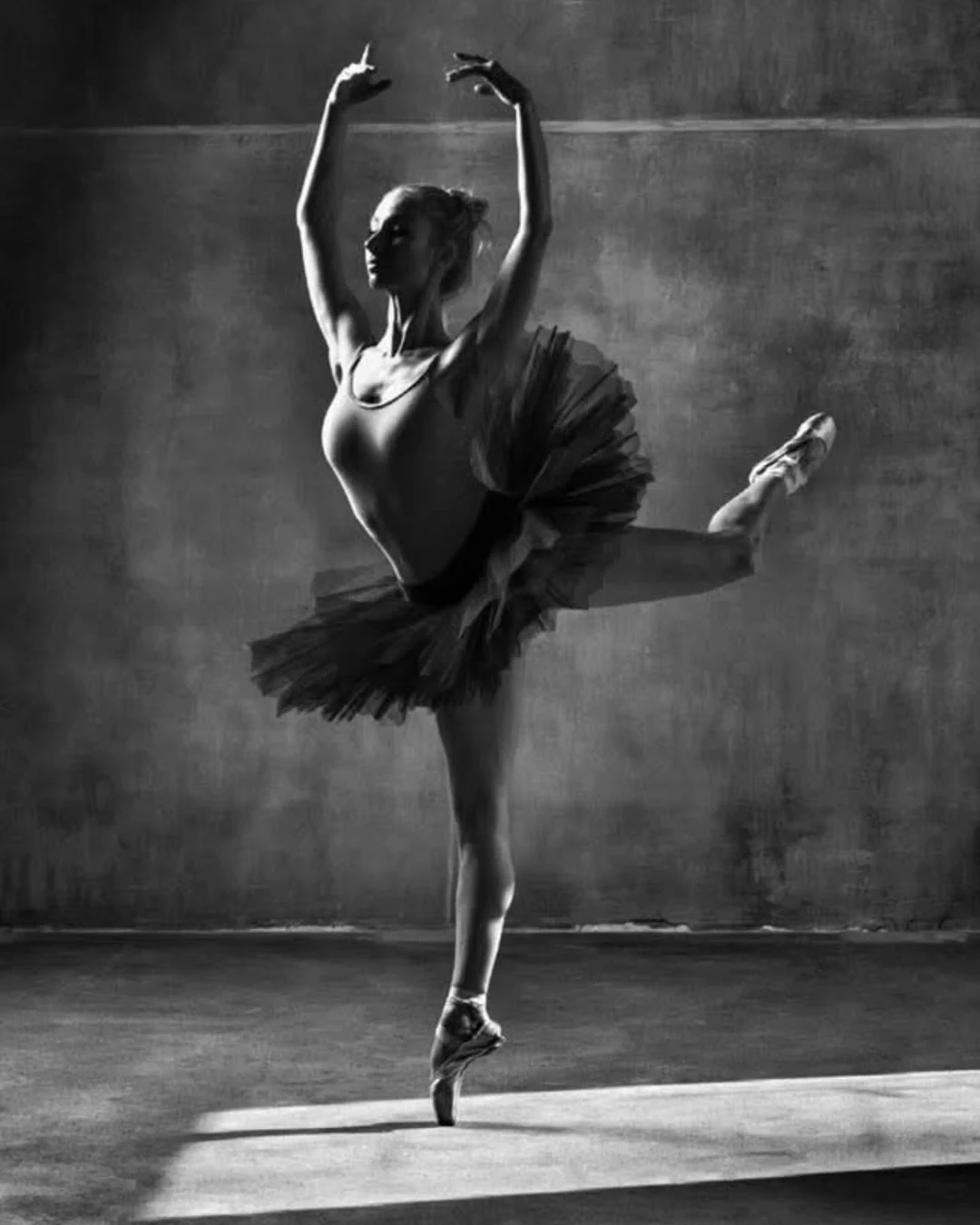
Image credit: @_kristar
Adult ballet classes are welcoming in a way that surprises many beginners. Most classes include women of all ages and levels, the focus is on posture, strength, and musicality rather than perfection, and there is no expectation that you danced as a child. A beginner class moves slowly and explains every position.
Ballet also builds balance and grace that carry into everyday movement, from how you stand to how you walk into a room. Wear comfortable clothes and soft ballet shoes, and tell the teacher you are new so they can guide you. Go for the feeling of moving to music, not for a perfect turnout.
12 – Learning the Piano
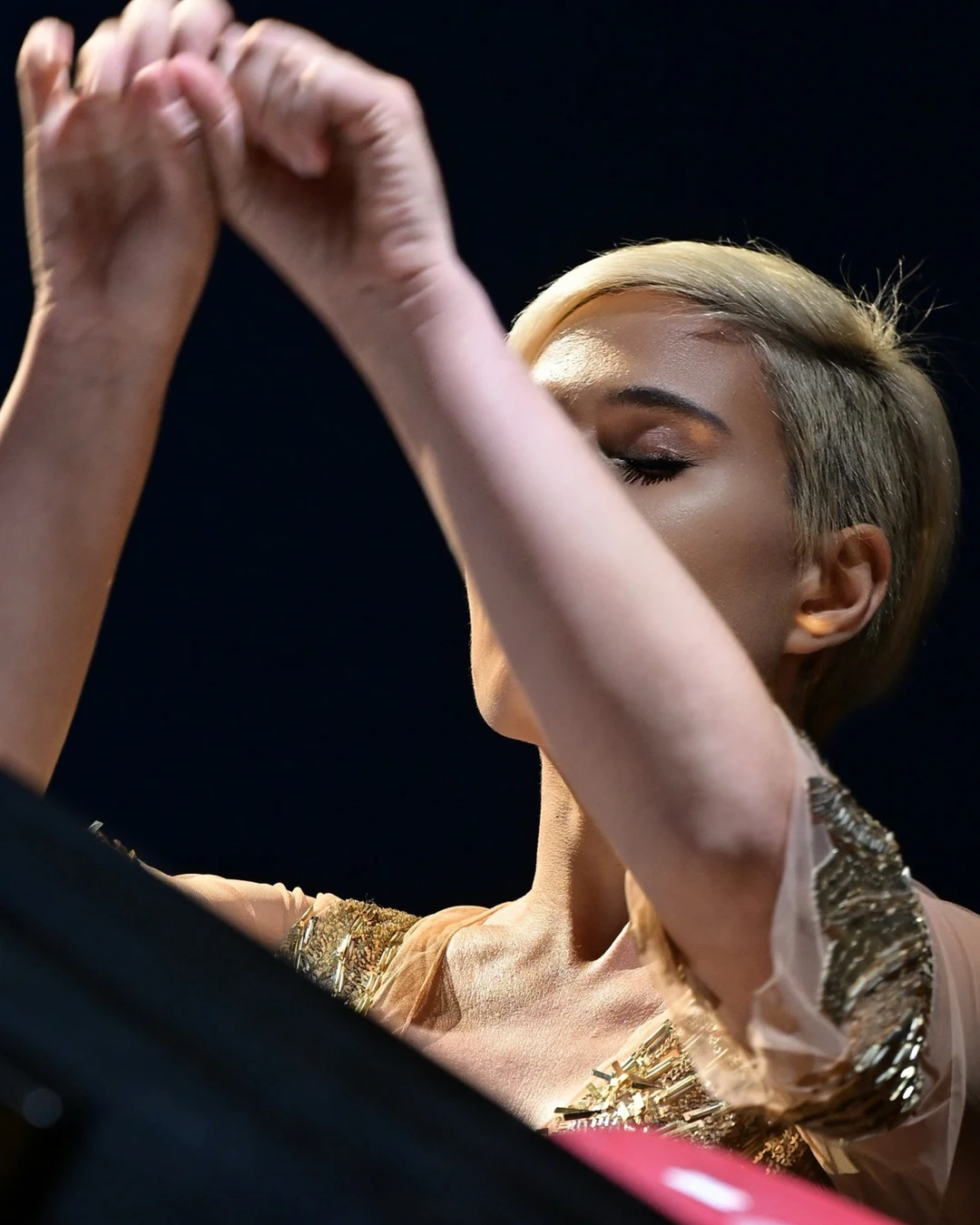
Image credit: @realgiuliamazzoni
Learning the piano as an adult is slower than learning as a child, and also more enjoyable, because you choose the music. A keyboard with weighted keys is a practical start, and short daily practice beats one long weekly session for building muscle memory.
Begin with simple pieces you love, even if they are easy, because finishing a piece keeps motivation alive. A teacher, even once a fortnight, can correct hand position early and save months of bad habits. Practise for fifteen minutes most days rather than an hour once a week.
13 – Yoga That Fits Your Life
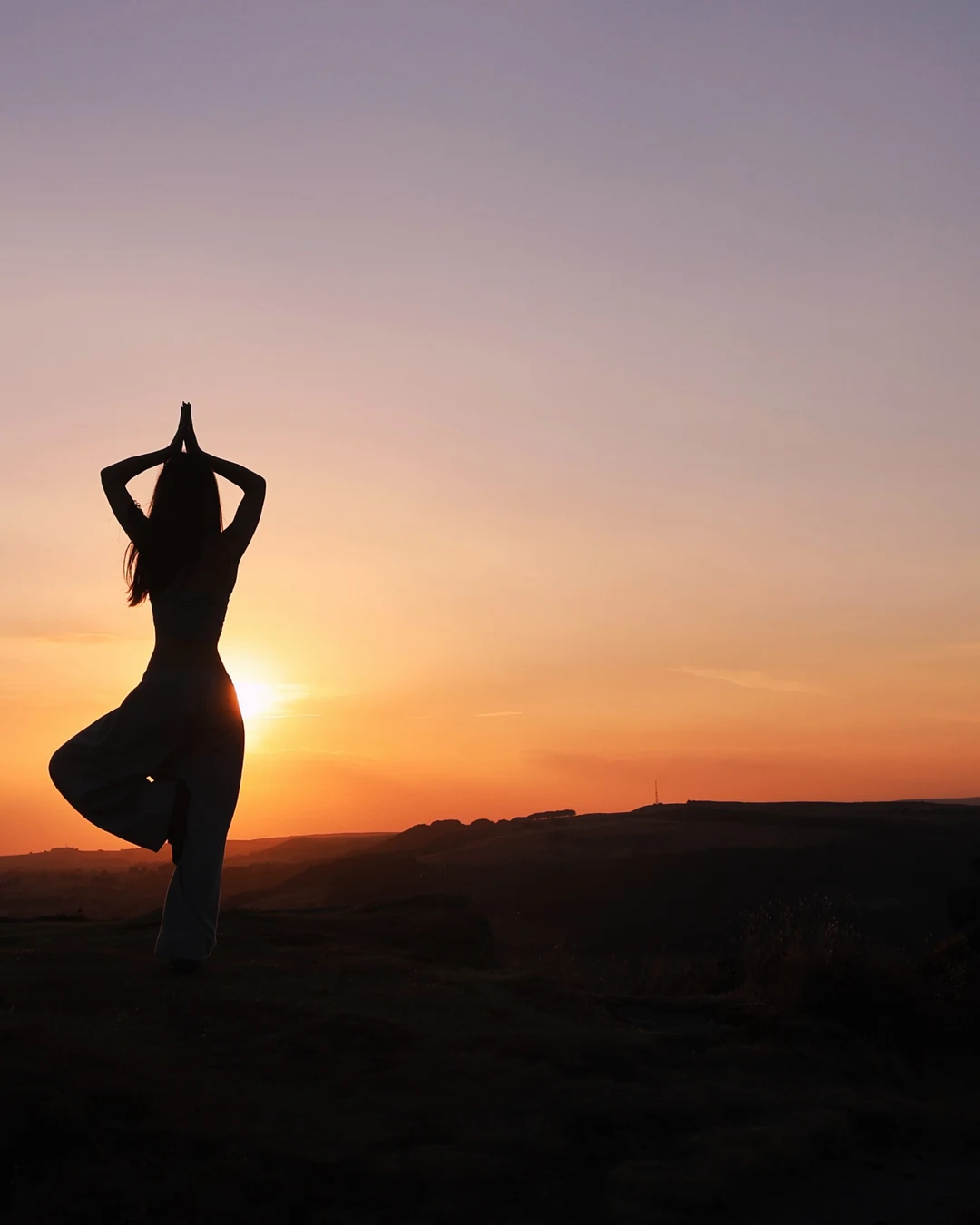
Image credit: @emilyymre
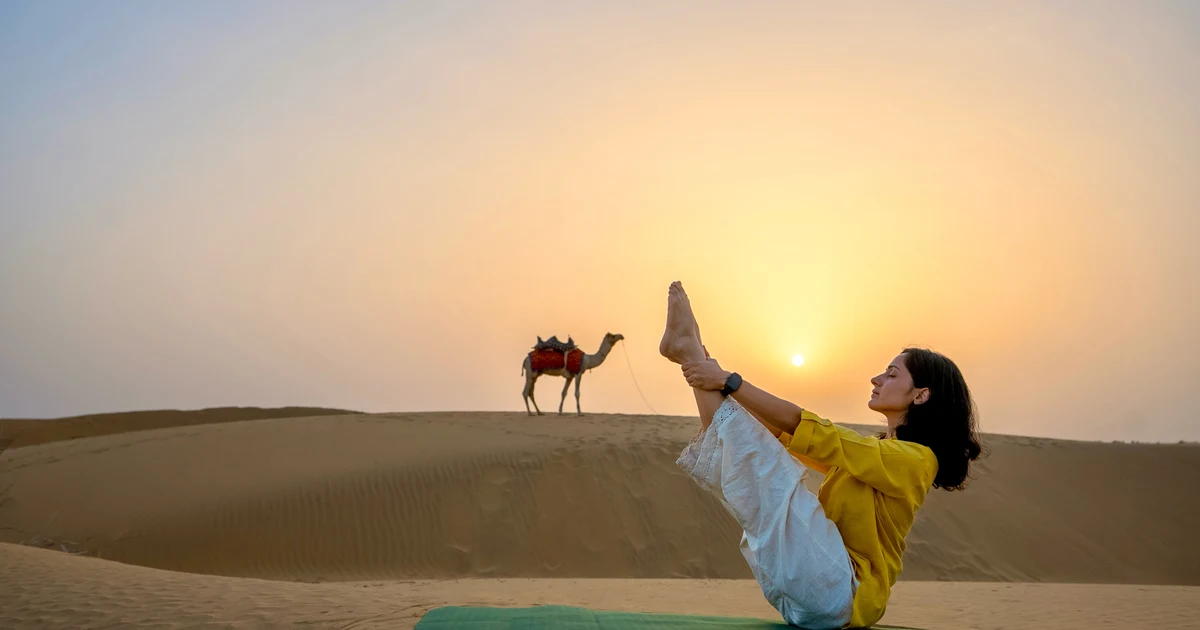
Yoga works best when it fits your life rather than demanding a new one. A short morning flow, a gentle evening stretch, or a weekly class can all count, and you do not need to be flexible to start; flexibility is something yoga builds, not something it requires.
Choose a style that matches your mood. Gentle or restorative yoga suits tired days, while a stronger flow suits days when you have energy to use. A mat and comfortable clothes are enough, and online classes make it easy to try different teachers. Breathe through the poses instead of forcing them, and stop before anything hurts.
14 – Candle Making
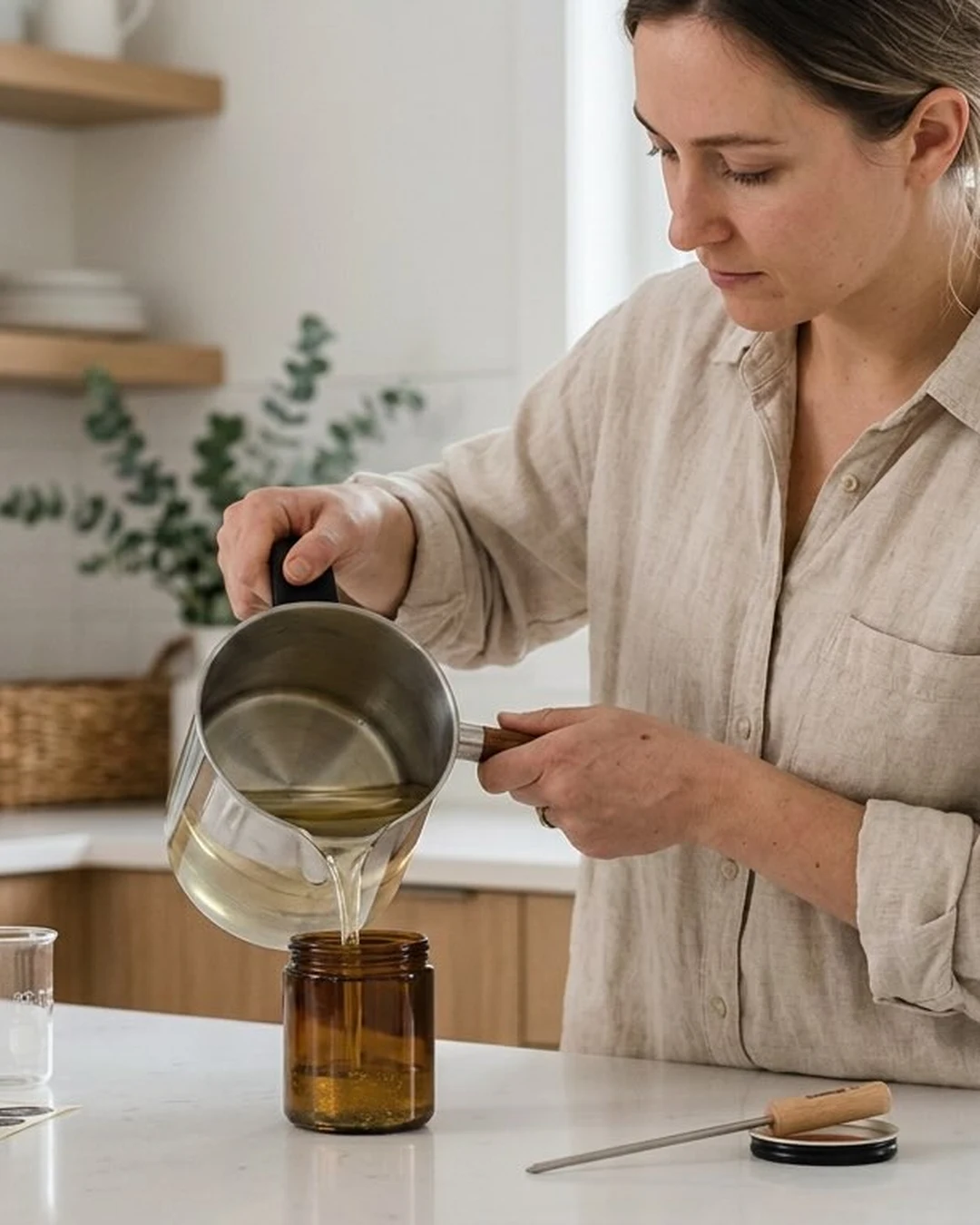
Image credit: @missioncandlecomi
Candle making is a satisfying mix of craft and home comfort: you choose the scent, the jar, and the colour, and you end up with something you can light that evening. Soy wax is a friendly starting point because it pours smoothly, holds scent well, and cleans up more easily than paraffin.
Safety matters with hot wax, so work on a protected surface, keep water away from melted wax, and never leave a melting pot unattended. Start with one or two scents you already love in other products, and test small batches before making gifts. Measure your wax and fragrance carefully; guessing is what makes candles burn unevenly.
15 – Film Photography
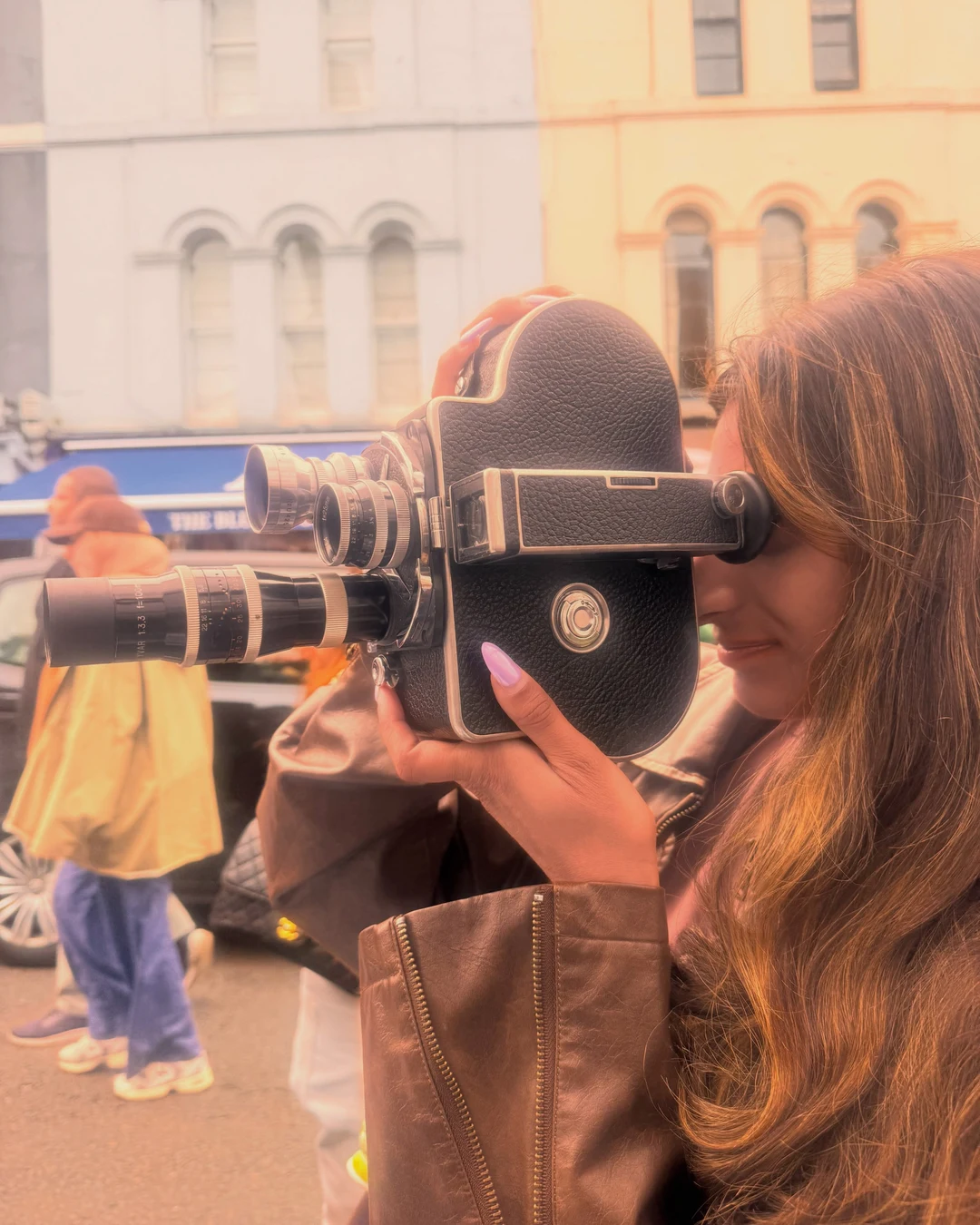
Image credit: @cameraslondon
Film photography slows looking down in the best way. With a limited number of frames, you pause, compose, and wait for the moment, instead of taking fifty versions of the same shot. The wait for developed photos also brings back a small, old-fashioned excitement.
A simple second-hand film camera and one roll of colour film are enough to begin, and most cities still have a lab that develops and scans. Start by photographing everyday life: light through a window, a friend laughing, a street you walk often. Take one thoughtful photo instead of ten hurried ones, and your eye will sharpen fast.
16 – Calligraphy
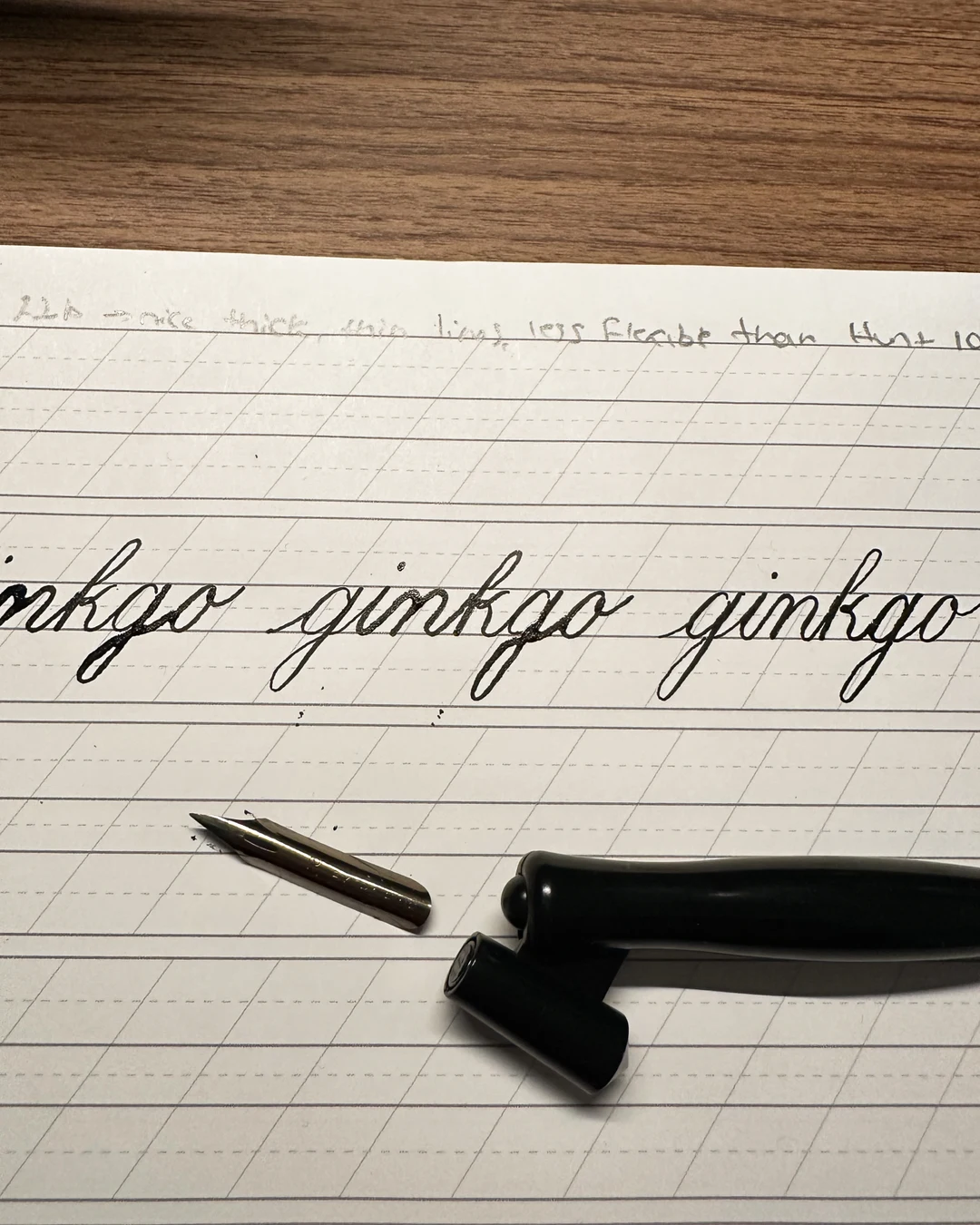
Image credit: @dragonquillstudio
Calligraphy turns handwriting into a small work of art. The pointed pen, the thick and thin strokes, and the slow rhythm of each letter make it deeply calming, and the results are immediately useful for cards, place names, and gifts. A beginner set with a holder, nibs, and ink costs little and lasts a long time.
Practice sheets matter more than talent at the start. Repeating basic strokes, then single letters, builds control before you attempt full words, and every calligrapher has pages of wobbly first attempts. Practise strokes before words, and your lettering will look confident much sooner.
17 – Cooking Seasonal Food
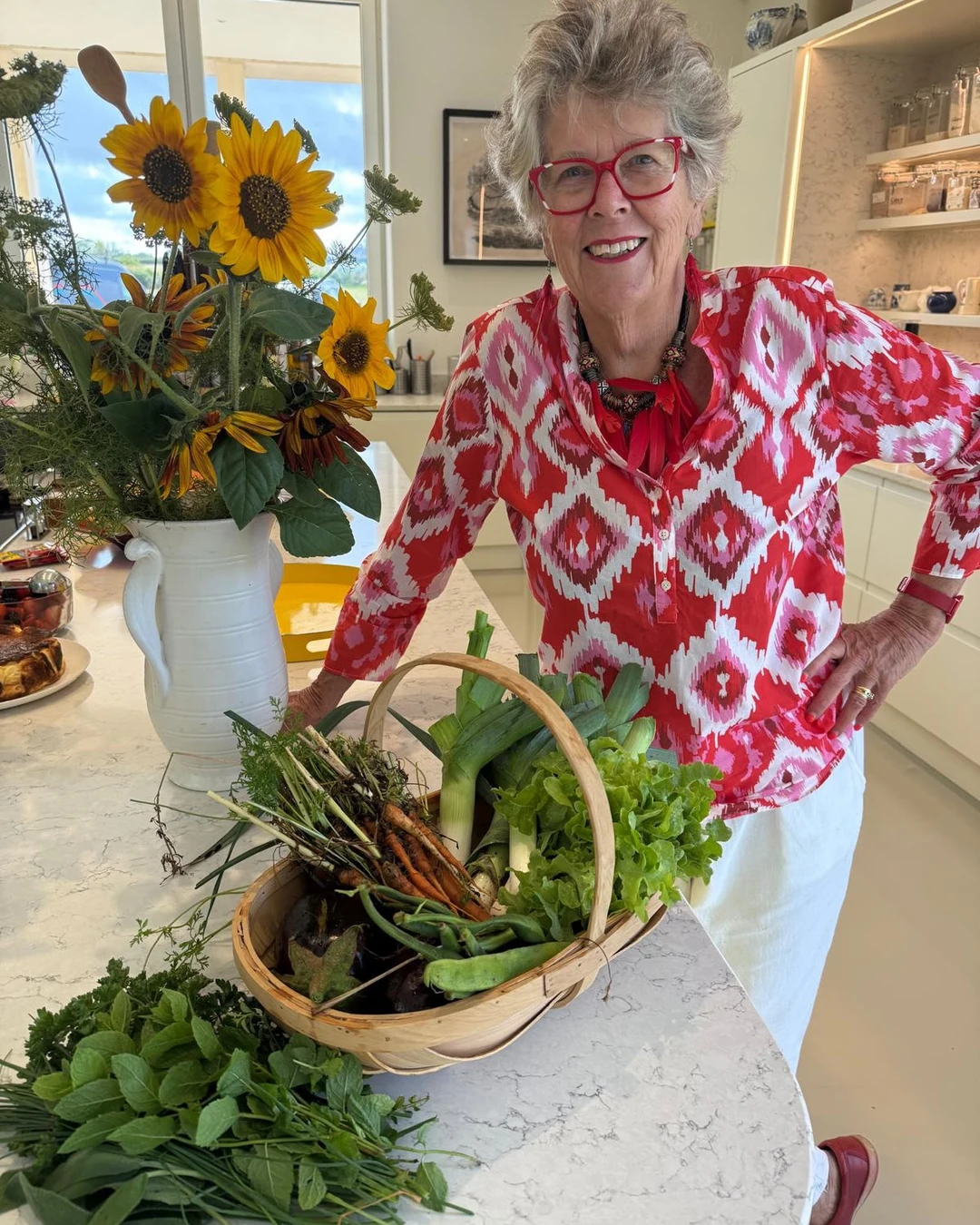
Image credit: @prueleith
Cooking seasonal food is a hobby that feeds you twice: once while you cook, and again at the table. Ingredients in season taste better, cost less, and need less dressing up, so a simple roast, soup, or salad can feel special without complicated techniques.
Let the market or the season choose for you. One new recipe a week, built around whatever looks freshest, keeps cooking interesting without turning it into homework. Learn five recipes you can cook without looking, and weeknight dinners stop feeling stressful.
18 – Styling Your Home With Fresh Flowers
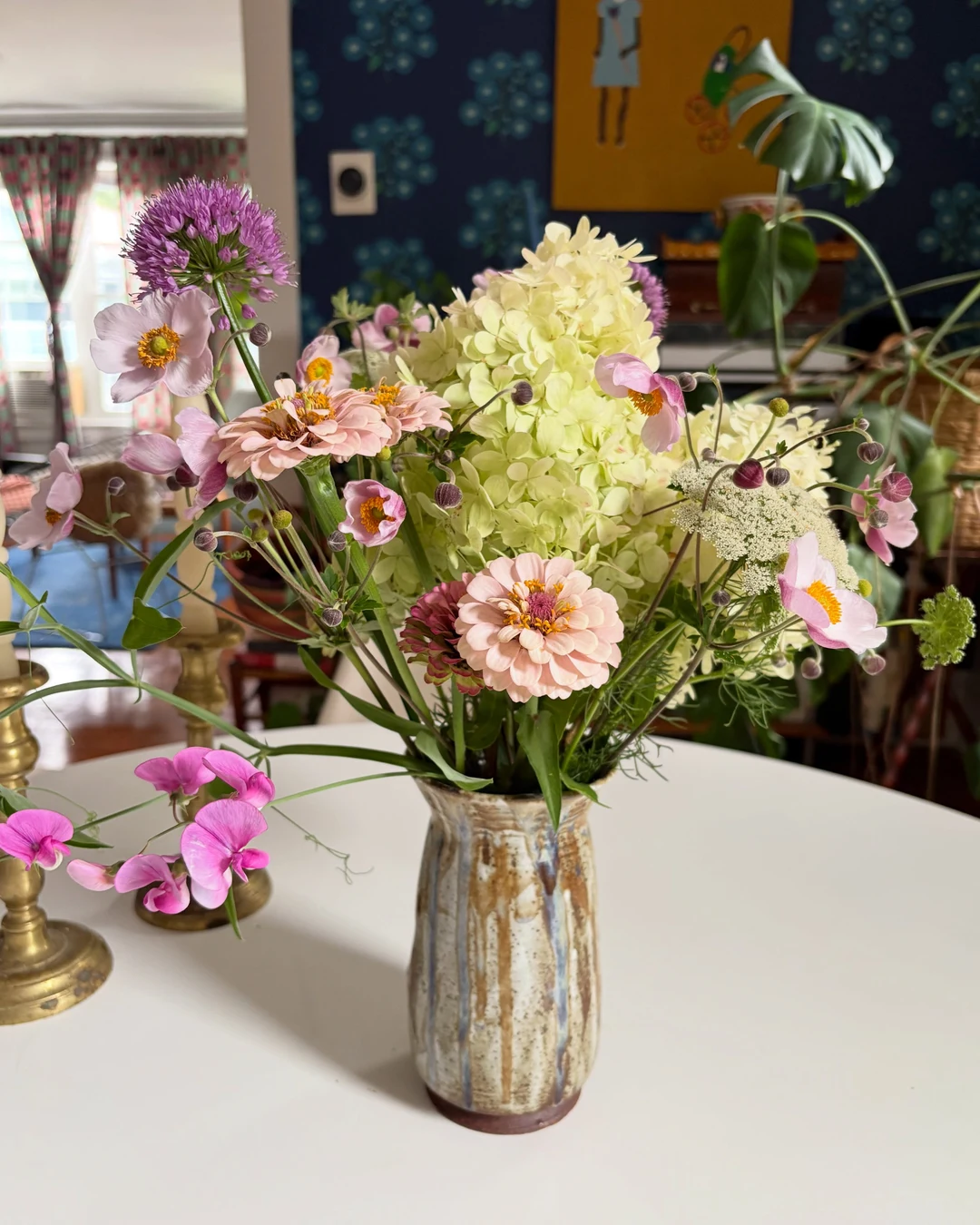
Image credit: @jenhewett
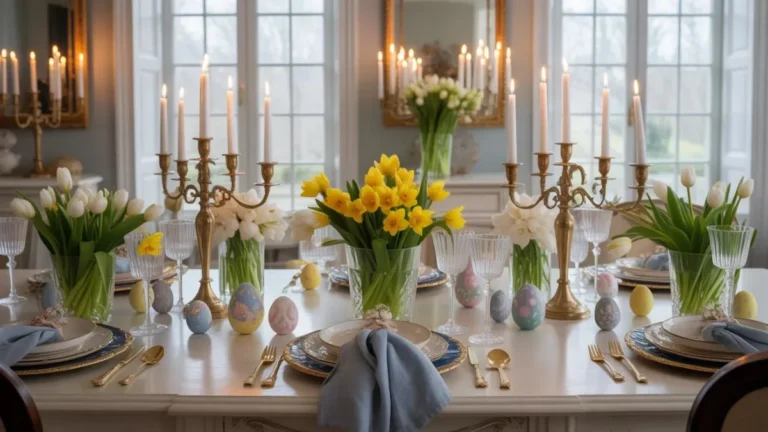
Styling your home with fresh flowers is the gentlest hobby on this list, because it changes a room in five minutes. A single vase on a table, a few stems by the bed, or a sprig in the bathroom makes a home feel cared for, and the ritual of changing water and trimming stems is quietly satisfying.
You do not need expensive blooms. Garden stems, market bunches, and even one striking flower in a small vase can carry a room. Keep arrangements simple and let each flower have space to be seen. One vase of fresh flowers, changed weekly, does more for a room than a shelf of ornaments.
How to Choose Your First Hobby
Choosing is easier when you are honest about your life right now. A hobby that needs an hour of set-up will not survive a busy week, while one that fits into twenty quiet minutes probably will. Think about what you actually miss: calm, creativity, movement, company, or something made with your hands, and let that answer narrow the list.
Try one hobby for a month before adding another. A short trial tells you far more than a long list of ideas, and it is perfectly fine to stop something that does not suit you. The right hobby is the one you look forward to, not the one you feel you should enjoy. For a calmer home to enjoy it in, see the linked articles Curating Your Space for a Peaceful and Minimalist Home and The Power of Slow Living Finding Peace in a Busy World.
Final Thoughts
A fulfilling life is rarely built in one dramatic change. It grows from small, repeated pleasures: a page written, a plant watered, a song learned, a loaf shared. Feminine hobbies are simply a way of protecting that time and spending it on something that makes you feel more like yourself.
Pick one idea from this list, give it a proper try this week, and notice how it changes the shape of your days. Creativity is not a luxury; it is part of a life that feels full.