Exploring The Quieter Side Of Himachal Away From Tourist Rush
Himachal is often pictured through the same familiar names. That usually means traffic, packed cafés, hotel rows, and viewpoints full of people waiting for the same photo. But the hills feel very different once you move away from the busiest circuits.
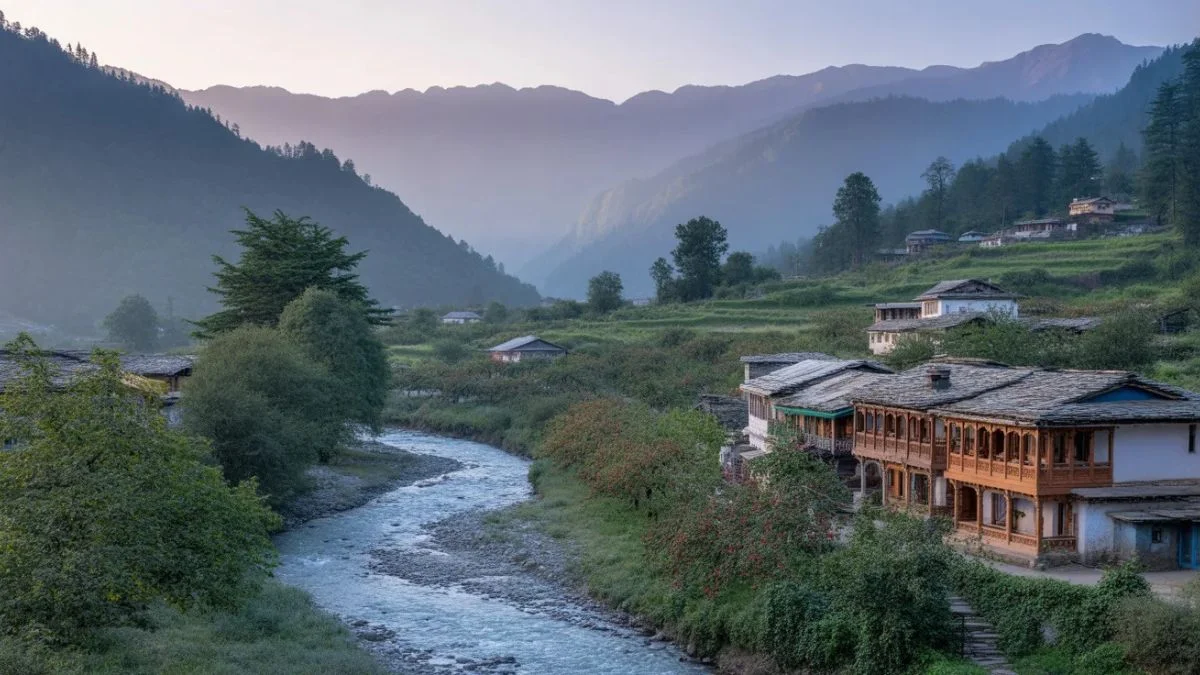
The Quieter Side of Himachal lives in river valleys, orchard villages, forest hamlets, and slow mountain roads where the day is shaped by sunlight, tea, and long walks instead of crowd control.
Official tourism and district sources point to places like the Great Himalayan National Park region, Shoja, Barot, Kalpa, Kothi, and Sangla as scenic, nature-rich bases that still offer a calmer experience than the state’s busiest hill stations.
Why the Quieter Side Of Himachal feels different
The biggest reason these places stay in your memory is not just beauty. It is the pace. In quieter parts of Himachal, the attraction is often the setting itself: a river moving beside your stay, a village temple built in local woodwork, a forest trail that starts right behind a homestay, or a ridge where morning light changes every ten minutes. You are not trying to “cover” ten points in a day. You are giving one place enough time to sink in.
That slower rhythm fits Himachal well. In Kullu’s protected landscapes, the Great Himalayan National Park Conservation Area includes the upper catchments of the Tirthan, Sainj, Jiwa Nal, and Parvati river systems and is recognized by UNESCO for biodiversity value. In Kinnaur and Mandi, official destination pages highlight heritage villages, orchards, rivers, and trekking routes rather than urban-style entertainment. That is exactly why these places work for travellers who want calm instead of noise.
Tirthan and Sainj where quiet still feels wild
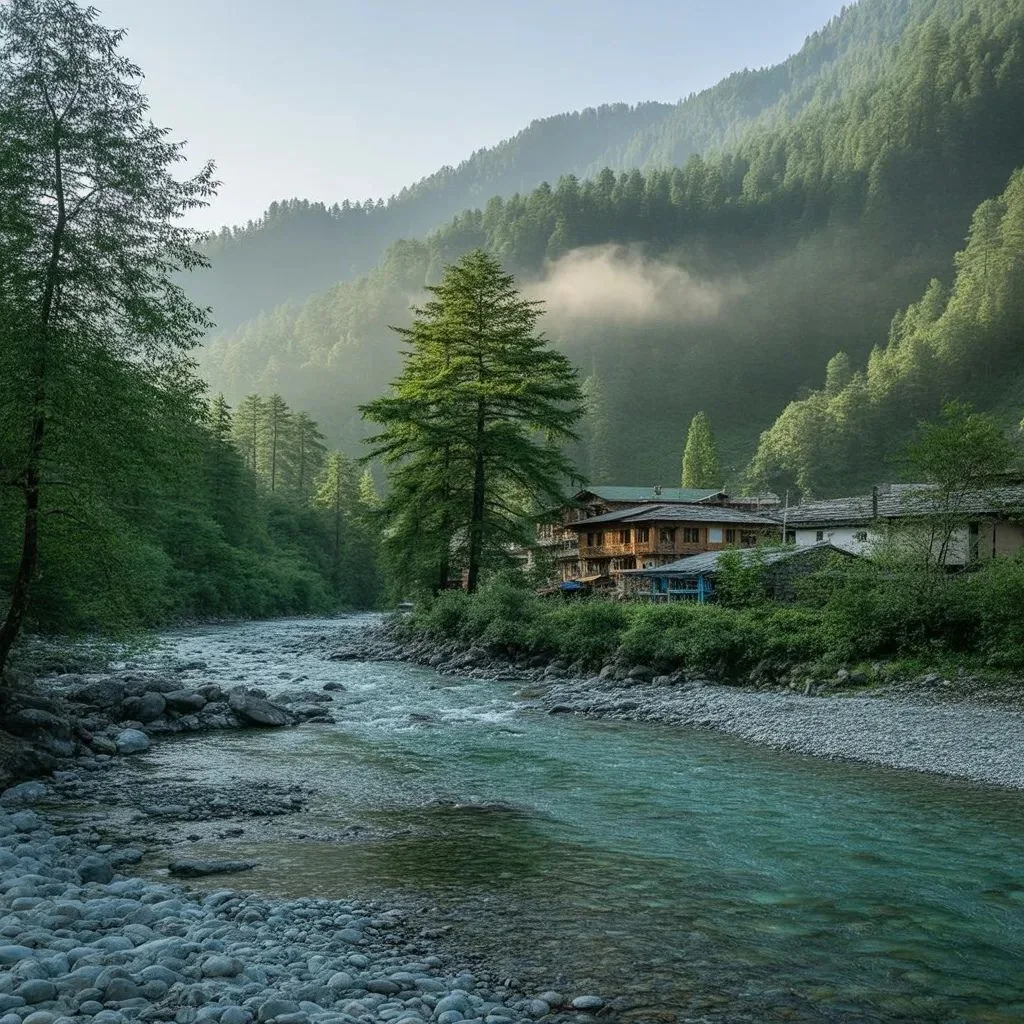
If you want a strong first taste of mountain peace, start around Tirthan and Sainj. The official Great Himalayan National Park pages describe this region as a protected landscape of high alpine peaks, forests, meadows, and river valleys, while Himachal Tourism notes trekking access through both Tirthan and Sainj. That matters because even short stays here feel immersive. You wake up to cold river sound, not traffic, and a simple morning walk can feel like the main event of the day.
This area suits travellers who like birding, gentle nature walks, trout streams, and homestays more than nightlife. Angling information from Himachal Tourism also lists the Tirthan and Sainj stretches among the state’s cold-water fishing zones, which adds to the region’s outdoorsy identity. For many people, this is the part of the Quieter Side Of Himachal that feels most balanced: easy enough to reach from Kullu side, but still deeply connected to forest, river, and village life.
Shoja proves that small places often leave the biggest mark
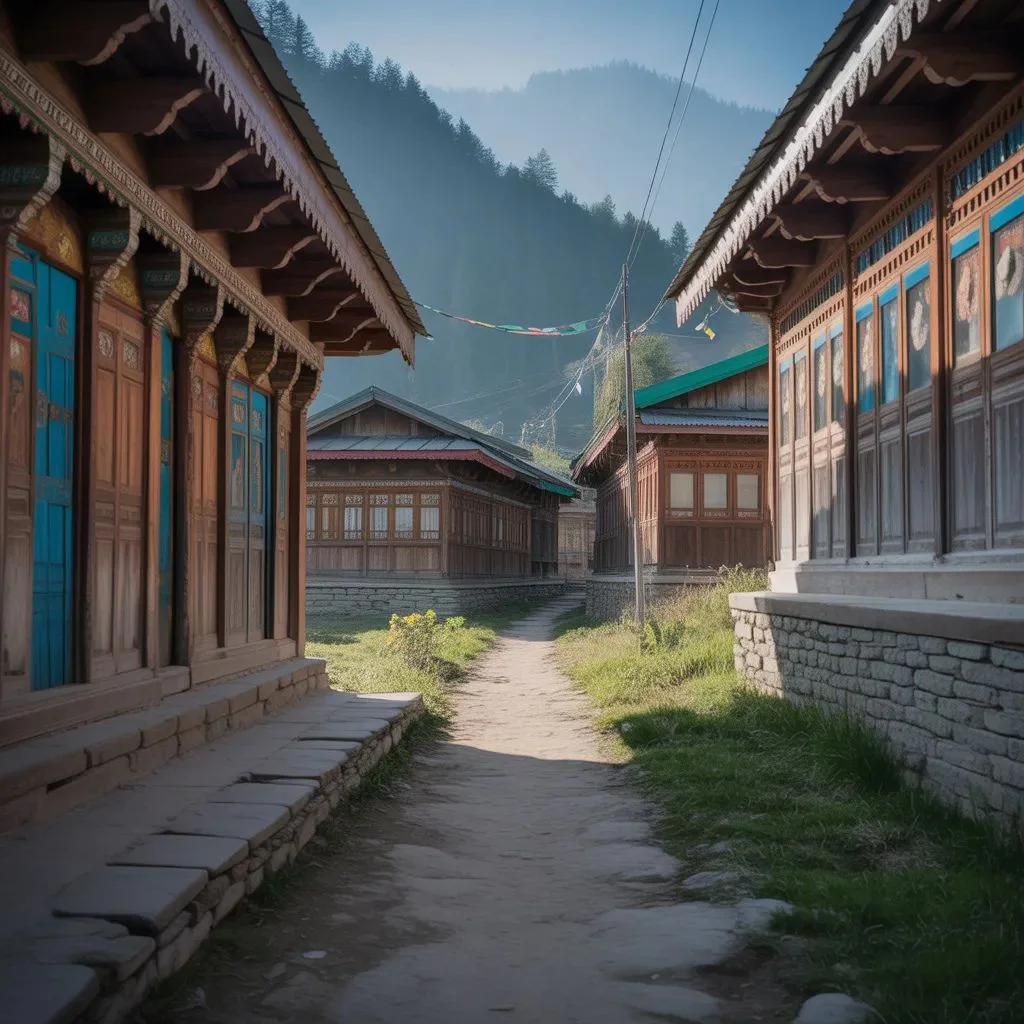
Shoja is one of those places that does not need a long checklist. Himachal Tourism’s unexplored-destinations material describes it as a quaint hamlet slightly off the main road and notes that it serves as a base for easy treks to Jalori Pass, Serolsar Lake, Takrasi, and Khanag. That one detail says a lot. Shoja works because it gives you access to beautiful walks without forcing a hectic plan. You can stay put, take one trail, return for a slow lunch, and still feel you had a full day.
The mood here is softer than in busier tourist towns. Pine slopes, mist, wooden stays, and open viewpoints do the work. Himachal Tourism also lists May to October as a good window for this unexplored circuit, which makes Shoja a practical choice for spring, summer, and post-monsoon trips. If your ideal mountain holiday means reading by a window, taking a half-day trek, and sleeping early under clean cold air, this is the Quieter Side Of Himachal in its purest form.
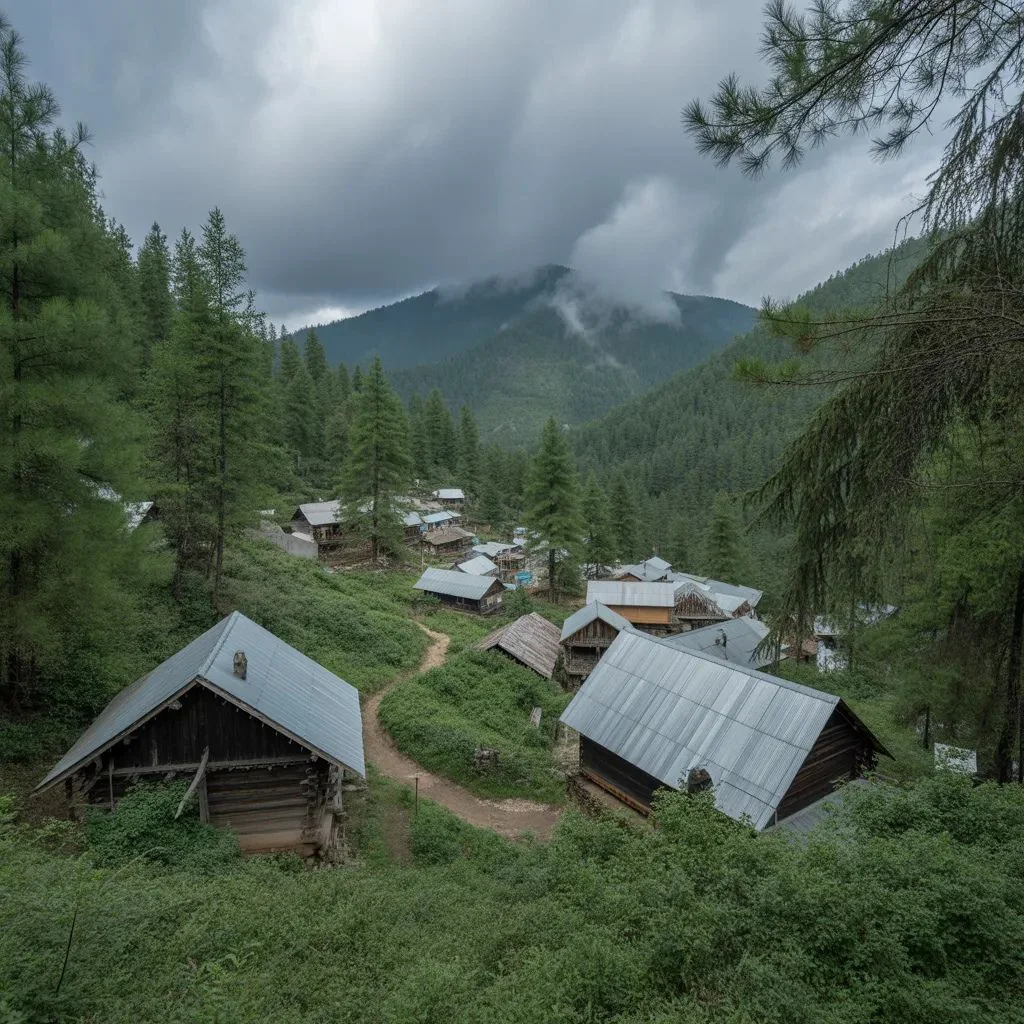
Barot is for travelers who love rivers, simple stays and no drama
Barot, in Mandi district, is another excellent answer to overcrowded Himachal. The district’s official tourism page places Barot at about 1,835 meters on the banks of the Uhl River and notes its trout fish farm, the old Shanan power project reservoir, and its role as a gateway to Nargu Wildlife Sanctuary. It also mentions trek routes toward Kullu and Kangra valleys. In plain words, Barot gives you scenery, water, wildlife access, and walking options without the noise that usually comes with bigger names.
What makes Barot special is how unforced it feels. There is no need to overplan. Sit by the river, walk to the reservoir side, spend time in the village, or take short local outings. It is also accessible by road from Ghatasani on the Pathankot–Mandi highway, which makes it easier than many people expect. For couples, solo travelers, and families who prefer simple mountain days over crowded itineraries, Barot is one of the most rewarding parts of the Quieter Side Of Himachal.
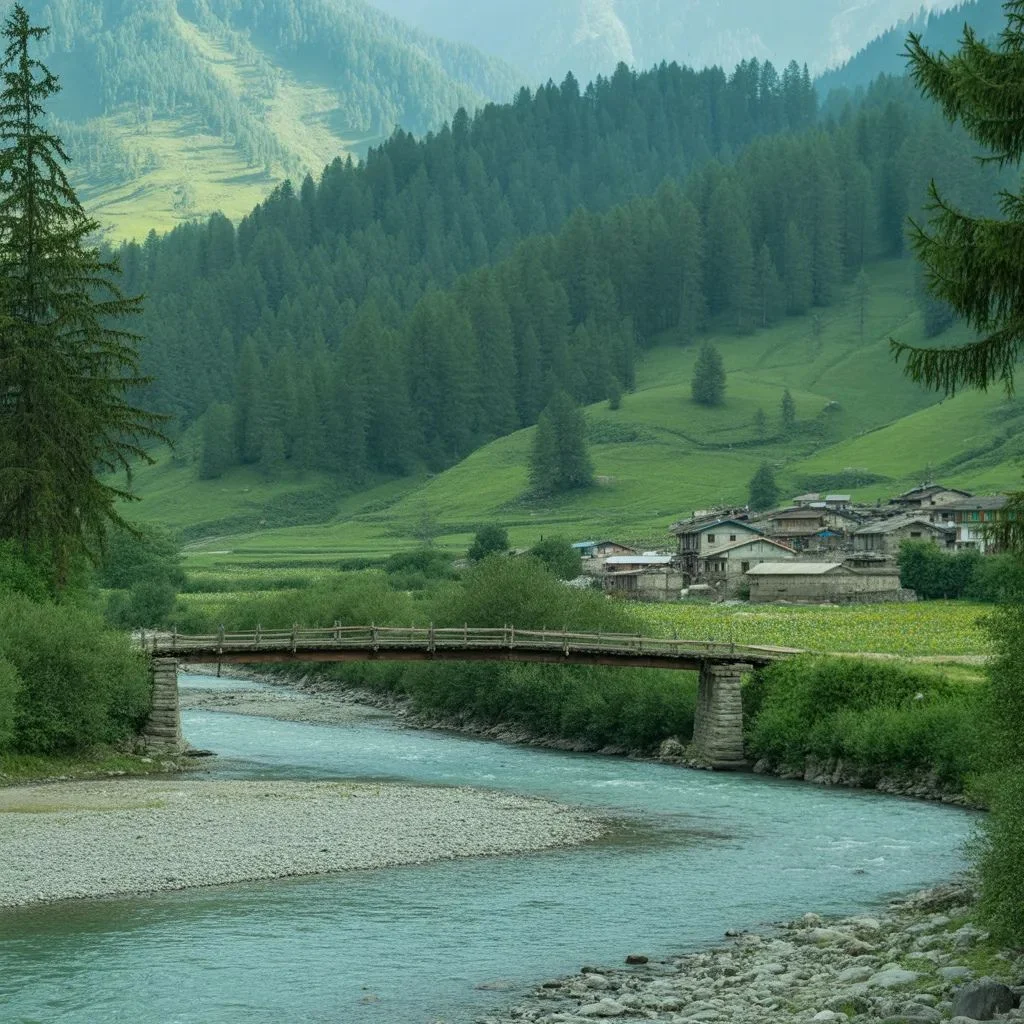
Kalpa and Kothi bring together heritage, orchards, and wide mountain views
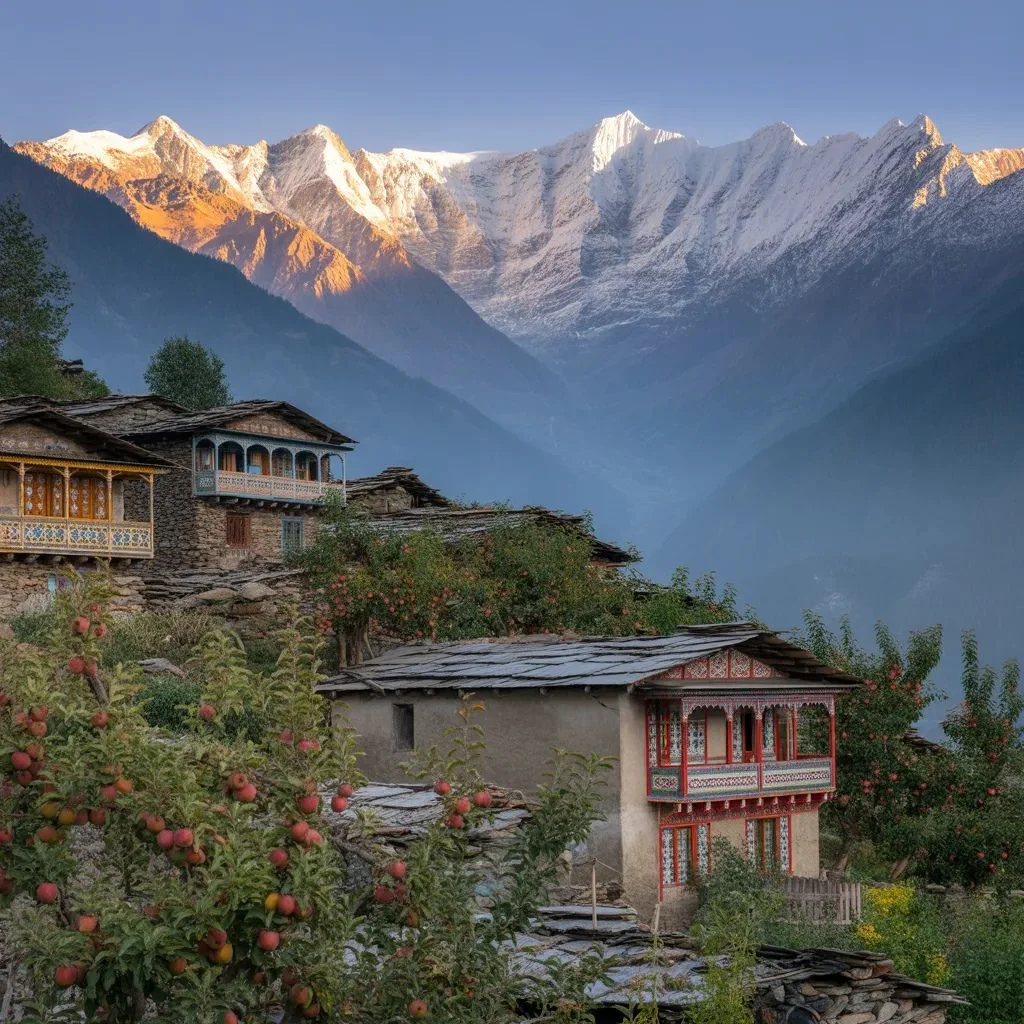
When you are ready for a quieter Kinnaur experience, Kalpa is a strong pick. The Kinnaur district page places Kalpa at 2,759 meters on the old Hindustan Tibet Road, around 260 km from Shimla, and describes it as a heritage-style village near Kinner Kailash. It also highlights the Narayan-Nagani temple and the old Hu-Bu-Ian-Car Gompa. This gives Kalpa a richer feel than a simple viewpoint stop. You are not just looking at mountains here. You are staying inside a place with deep local texture.
Nearby Kothi adds to that mood. The district’s official page describes Kothi as an ancient village below Kalpa, surrounded by fields, fruit trees, and temple architecture, with Kinner Kailash forming a dramatic backdrop. That combination of orchards, village life, and sacred landscape is what makes this side of Kinnaur memorable. For travelers who want sunrise mountain views without the constant rush of commercial hill towns, this stretch represents the Quieter Side Of Himachal at a very graceful pace.
Sangla is scenic, but the right way to enjoy it is to slow down
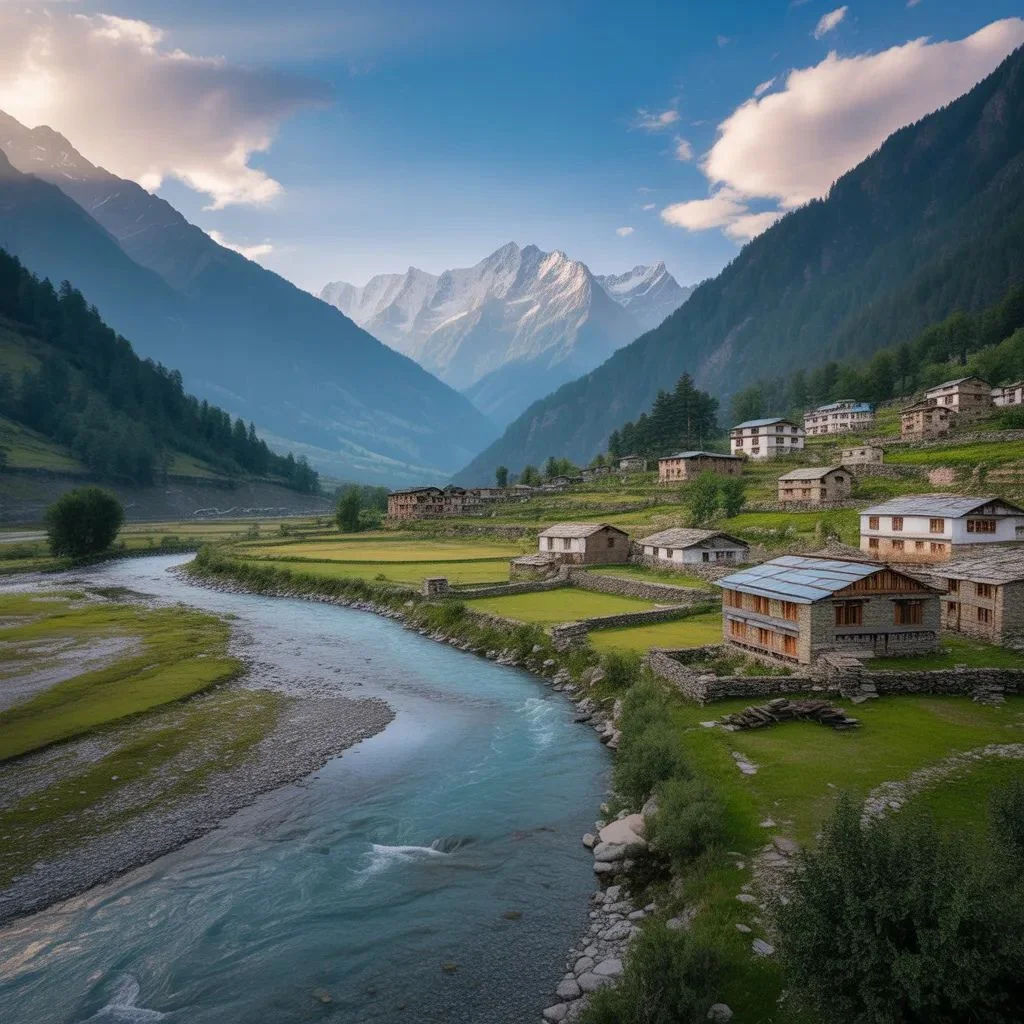
Sangla is not unknown, but it still feels calmer than Himachal’s classic crowd magnets when handled the right way. The district page describes Sangla as a village on the right bank of the Baspa River at 2,621 meters, known for fertile land, forest scenery, and snow peaks. The valley’s flatter green terrain gives it a softer visual character than many steep Himalayan stretches, and that makes it pleasant for slow stays, short walks, and lazy afternoons.
The mistake people make here is treating Sangla as a quick photo stop on the way to somewhere else. Stay a little longer and it changes. Visit village corners, temple areas, or orchard edges. If you want to see Chhitkul, go early and return before the day fills up; the district page describes Chhitkul as the last and highest village in the Baspa valley at about 3,450 meters. Done this way, Sangla becomes part of the Quieter Side Of Himachal rather than another rushed item on a mountain checklist.
How to plan the Quieter Side Of Himachal without rushing it
The best travel rule here is simple: choose one cluster and stay longer. A Banjar-side trip can focus on Tirthan, Sainj, and Shoja. A Kinnaur-side trip can focus on Kalpa, Kothi, and Sangla. Barot works well as its own calm escape or as part of a slower Mandi-side journey. This kind of planning keeps the mood intact. Once you try to combine too many valleys in too few days, the “quiet” disappears and the trip turns into a road marathon.
Season matters too. Himachal Tourism lists April to October as a good time for Kinnaur, and another official page notes April to November as a good time for Kalpa and Sangla. For Shoja and the unexplored circuit, the suggested season is May to October. Monsoon needs extra care because official project and tourism material repeatedly notes landslide risk in the hills during the rainy season. So, for clearer skies and easier movement, late spring and post-monsoon are often the safest sweet spots for the Quieter Side Of Himachal.
Small habits that keep quiet places quiet
A peaceful destination stays peaceful only when visitors travel with care. Himachal Tourism’s official safety and do’s-don’ts guidance asks travelers to keep identity proof handy, remember that some places may require permission for photography or filming, avoid littering, avoid making unnecessary noise, and avoid polluting natural water sources. These sound basic, but they matter more in mountain villages than people think.
So take the gentler route. Choose local homestays where possible. Walk short distances instead of calling for a vehicle every time. Eat what is available locally. Do not bring a city-party mindset into a forest hamlet. The whole joy of the Quieter Side Of Himachal is that it still feels lived-in and real. Travel lightly, and that feeling stays alive for the next visitor too.
A quiet ending that stays with you
The best Himachal trip is not always the one with the most famous stop. Very often, it is the one where you remember the sound of a river outside your room, a temple door in carved wood, a village path after breakfast, or a mountain turning pink at sunrise. That is what the Quieter Side Of Himachal gives back. Less rush, more memory. Less performance, more feeling.
If your next mountain holiday needs rest more than noise, choose the valleys and villages that ask you to slow down. Himachal rewards that choice beautifully.
Our Pick: Travel Essentials for the Modern Traveller Who Prefers Less.
FAQs
Is Himachal still worth visiting if I want to avoid crowds?
Yes. You just need to skip the busiest town-centered circuit and stay in valley or village bases such as Tirthan-side, Shoja, Barot, Kalpa, or Sangla, all of which are highlighted by official tourism or district sources for scenery, trekking access, heritage, and nature.
Which side is better for a first quiet trip: Banjar or Kinnaur?
Banjar side is easier for a softer first offbeat trip because Tirthan, Sainj, and Shoja connect naturally around the Great Himalayan National Park region. Kinnaur is stunning too, but it usually feels more road-heavy and works best when you have extra days.
What is the best season for these quieter places?
Official Himachal sources suggest April to October for Kinnaur, April to November for Kalpa and Sangla, and May to October for Shoja. Monsoon needs extra caution because landslides are a known risk in the hills.
How can I keep the trip peaceful in practice?
Book longer stays in fewer places, start early, keep one free half-day in every stop, and follow local do’s and don’ts on litter, noise, and water use. Quiet destinations feel best when you do less, not more.