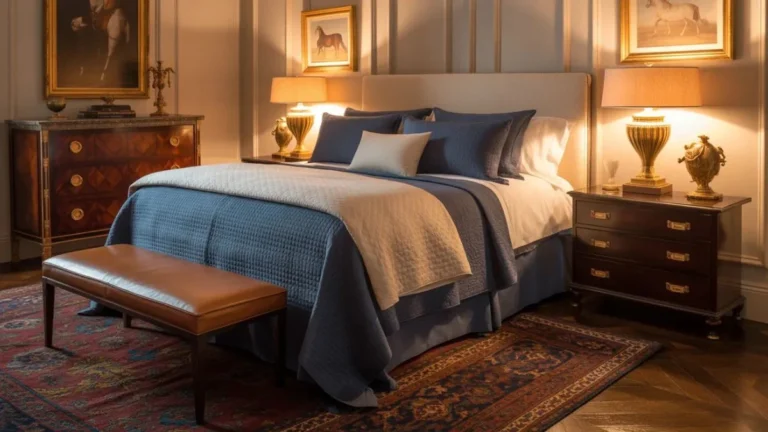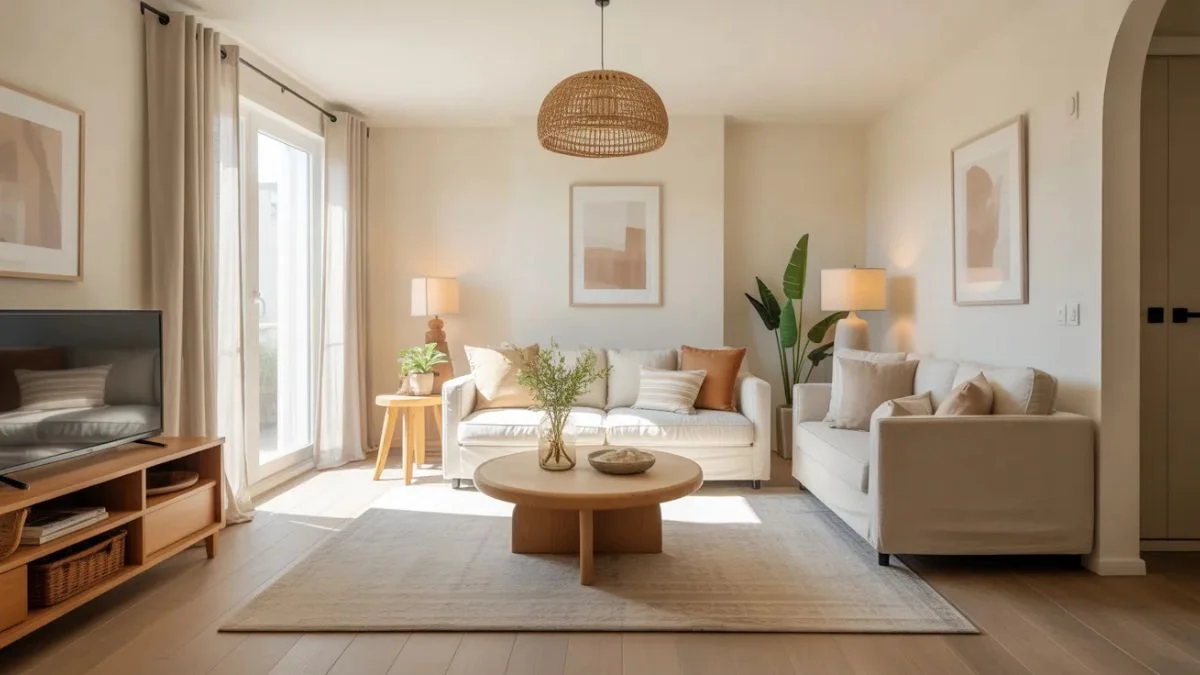
Curating Your Space for a Peaceful and Minimalist Home
A peaceful home does not always mean a big home, an expensive home, or a picture-perfect home. Most of the time, it means a home that feels easy to live in. When your rooms are not packed with extra stuff, your mind also feels less crowded. That is why Curating Your Space is not about making your house empty. It is about choosing what deserves to stay and giving each item a clear purpose.
Research backs this up. UCLA’s Center on Everyday Lives of Families found that more household clutter was linked with higher stress in mothers, and sleep experts also note that visual clutter can create stress that makes it harder to relax at night. That does not mean you need to throw everything away in one weekend. It means small changes can make your home feel lighter, calmer, and easier to enjoy.
Think of a minimalist sanctuary as a home that supports your daily life instead of fighting against it. It should help you rest, focus, and breathe better. In this guide, you will learn how to start Curating Your Space room by room, how to avoid the cold “empty showroom” look, and how to build a home that feels warm, simple, and peaceful.
Start with the Feeling You Want, Not the Stuff You Want to Remove
Many people begin by asking, “What should I get rid of?” A better question is, “How do I want this room to feel?” That one question changes everything. A sanctuary should feel calm, useful, and gentle on the eyes. When you begin with feeling, Curating Your Space becomes easier because you are editing with purpose, not just tossing random things.
For example, if you want your bedroom to feel restful, every item in that room should support rest. If you want your living room to feel peaceful, it should not also work as a storage zone for unopened boxes, old chargers, and clothes waiting to be folded. Sleep experts say that clutter can add stress and make it harder to wind down, which is one more reason to keep rest areas simple.
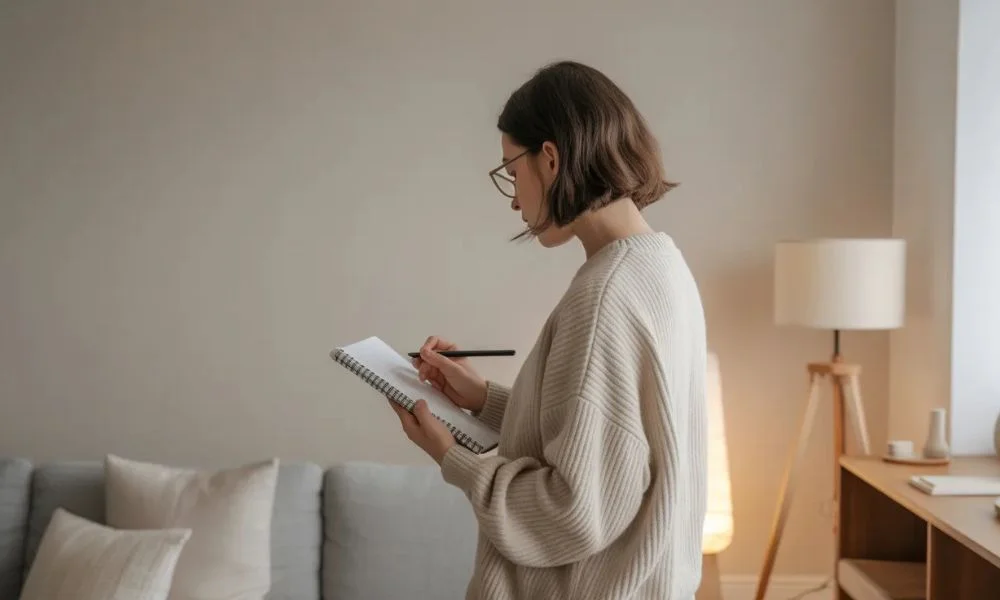
Try this simple exercise. Stand in one room and write down three words you want it to reflect. Maybe your words are calm, clean, and warm. Maybe they are light, restful, and simple. Now look around. Does the room match those words? If not, you already know what needs to change.
A friend of mine once said her living room felt “noisy” even when nobody was talking. The problem was not sound. It was visual clutter. Too many colours, too many tiny objects, and furniture that made the room feel tight. After removing just a few extra pieces, the same room felt softer in one day.
Clear the Visual Clutter One Small Zone at a Time
The fastest way to get overwhelmed is to clean the whole house in your head. The easier way is to pick one tiny zone and finish it fully. This is where Curating Your Space becomes practical. You do not need a full home reset in one day. You need visible progress.
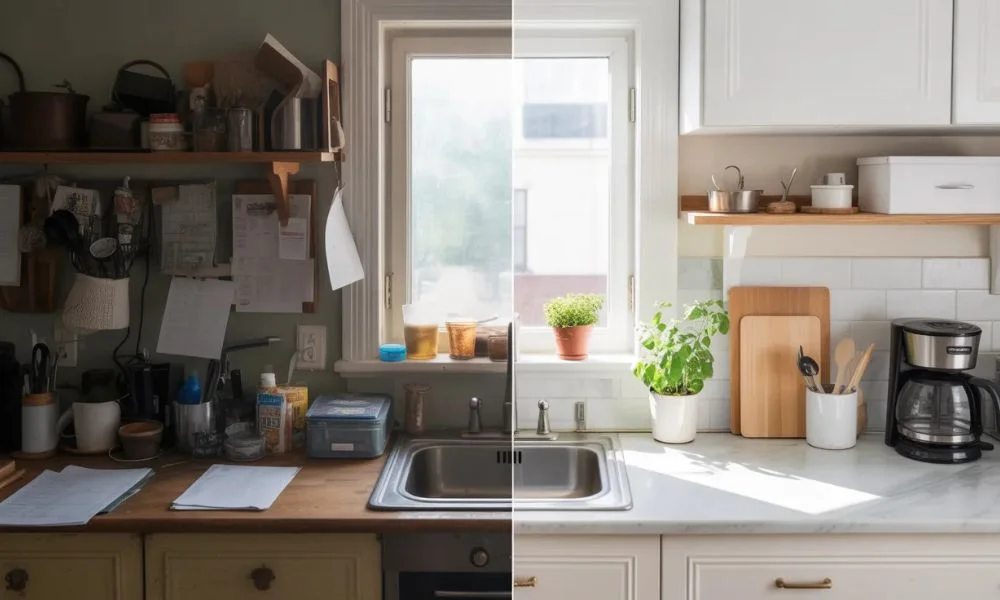
Start with one shelf, one drawer, one bedside table, or one kitchen counter. Remove everything. Put back only what you use, need, or truly love. If an item is broken, duplicates something else, or has no real home, it should probably go. This method works because it gives you a quick win, and quick wins build motivation.
Clutter is not just about mess. It also affects how a home feels. UCLA research on home life found that many families lived with a very high number of possessions, and the more crowded the home felt, the harder it became to manage daily life comfortably. So, when you remove a pile from one surface, you are not only cleaning. You are reducing friction in your day.
Use three simple categories:
• Keep
• Donate
• Remove
Be honest with the “keep” pile. A minimalist home is not created by hiding clutter in pretty baskets. It is created by owning less with intention. When Curating Your Space, empty space is not wasted space. It gives your eyes a place to rest.
Choose Calm Colours, Light, and Texture
A minimalist sanctuary should not feel cold. It should feel soft. That is why Curating Your Space is not only about removing things. It is also about choosing the right mood. Colour, light, and texture shape that mood more than people realize.
Soft neutrals, warm whites, beige, muted greens, dusty blues, and light earthy tones often work well because they feel restful without being boring. You do not need to repaint every wall right away. Start with fabrics, bedding, curtains, cushion covers, or a rug in calm shades. The goal is to reduce visual noise.
Light matters too. Research shows that light affects circadian rhythm and melatonin, which play a big role in sleep and well-being. Evening light at home can even delay the body’s timing when it is too strong late at night. During the day, let natural light in as much as possible. At night, switch to softer, warmer lighting so your space feels restful.
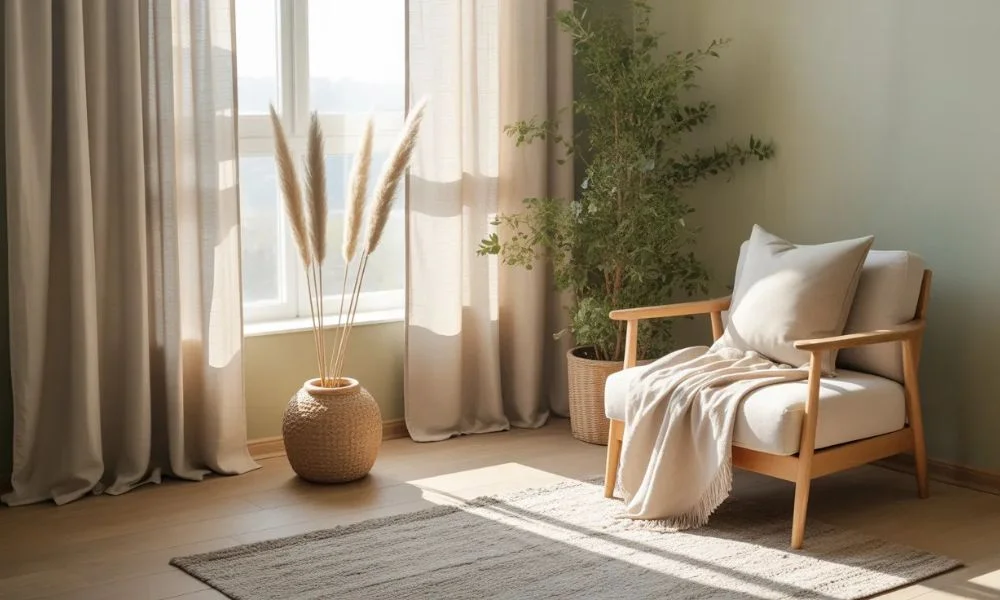
Texture keeps minimalism from feeling flat. Add cotton, linen, wood, jute, wool, or ceramic pieces. A plain room with good texture feels richer than a crowded room with too many decorative items. One wooden stool, a soft throw, and linen curtains can do more for a room than ten small decor pieces.
This is the quiet secret of Curating Your Space: fewer items, better choices.
Keep Furniture Functional and Leave Room to Breathe
One common mistake in home design is using too much furniture. A room can be beautiful, but if movement feels tight, it will never feel peaceful. Minimalism works best when your home has flow. That means furniture should serve your life, not block it.
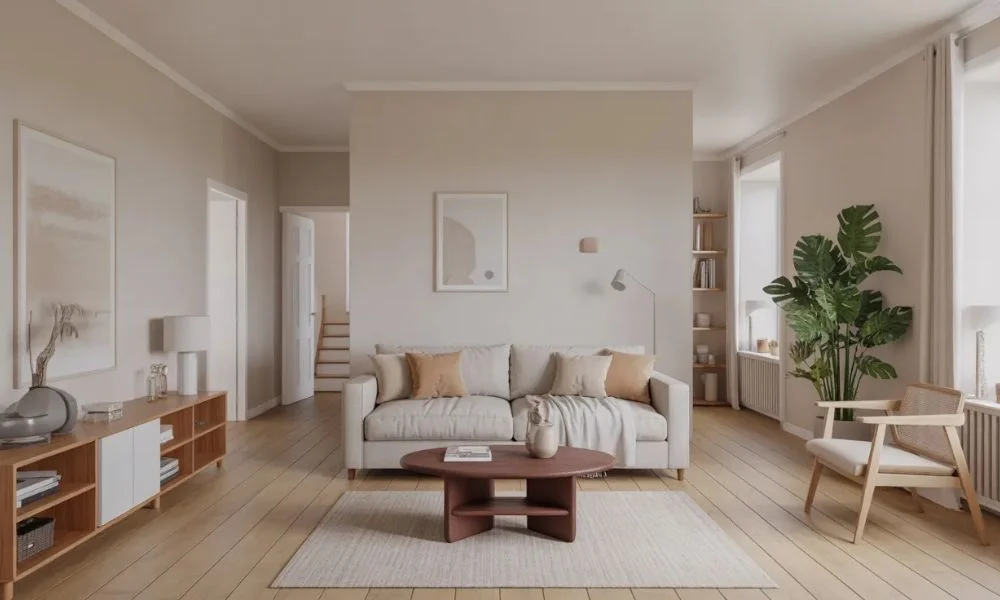
As you continue Curating Your Space, ask this about every larger piece: Do I use it often? Does it help this room work better? Is it the right size? A sanctuary needs breathing room. You should be able to walk easily, clean easily, and sit down without moving three other things first.
Look at your layout. Pull furniture away from pathways. Remove side tables you never use. Choose storage pieces that also look simple and clean. In small homes, dual-purpose furniture helps a lot, such as a bench with storage, a bed with drawers, or a coffee table that hides blankets and books. The point is not to fill every corner. The point is to make the room feel open.
There is also a mental benefit to simpler rooms. A home with fewer decisions in view often feels easier to manage. Purdue notes that too many choices can feel overwhelming, and that idea fits daily home life too. When every surface is packed, your brain keeps reading signals. When your room is simpler, your mind can settle faster.
A good rule is this: leave a little empty space on purpose. Not every wall needs decor. Not every corner needs a chair. Let the room breathe.
Add Nature and Personal Meaning Without Adding More Clutter
A minimalist home should still feel like your home. That is where many people get stuck. They remove too much, and the space starts to feel plain. The answer is not more stuff. The answer is better meaning. Curating Your Space works best when what stays has emotional or daily value.
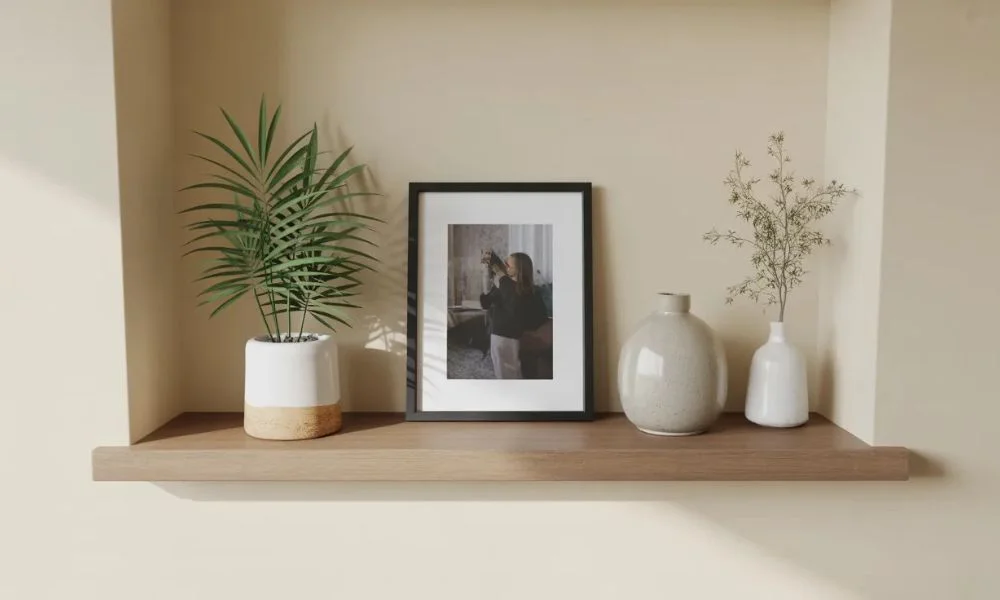
One framed family photo. One piece of art you truly love. One handmade bowl. One candle you actually use. A small number of personal pieces creates warmth without chaos. Minimalism is not about removing personality. It is about making personality easier to see.
Plants can help too. A systematic review and meta-analysis on indoor plants found evidence of positive effects on several human functions, and other studies have linked indoor greenery with lower stress or better well-being. You do not need a jungle in your home. Even one or two easy plants can soften a room and make it feel more alive.
Try to decorate with intention:
Keep one tray instead of many loose objects
Use one large vase instead of five small decor pieces
Display one meaningful book stack instead of overfilling every shelf
This makes the room feel thoughtful. It also makes cleaning easier. And that is a big part of building a sanctuary. A home is more peaceful when it is simple to maintain.
Create Daily Habits That Protect the Peace
A peaceful home is not created once. It is protected in small ways every day. That is why Curating Your Space is also a lifestyle habit, not just a weekend project. The goal is to stop clutter before it builds up again.
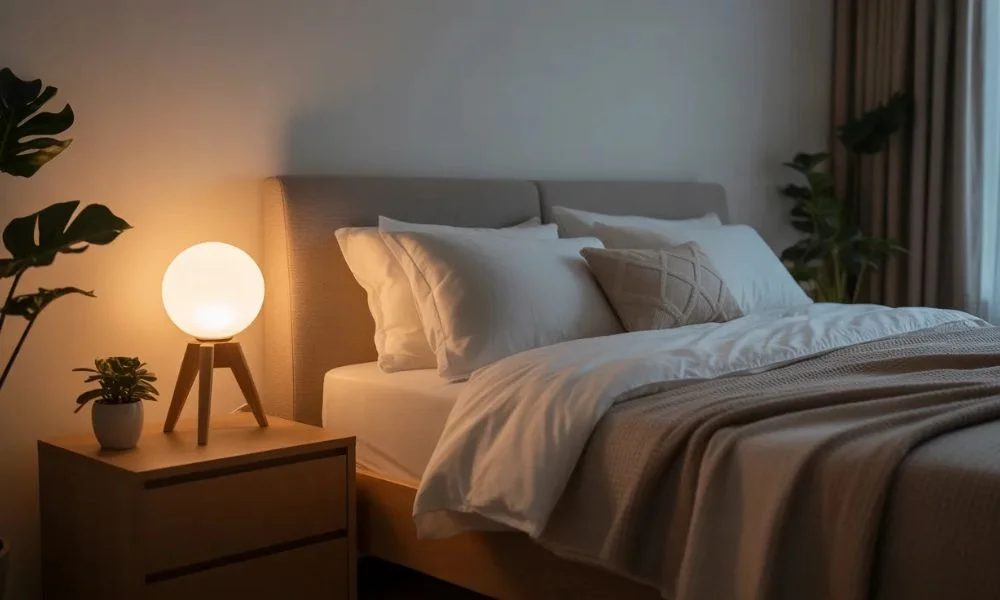
Use a 10-minute reset every evening. Put away loose items, clear one surface, fold a blanket, and reset the room for tomorrow. This small habit keeps your home from slipping back into stress. Bedrooms matter most here because they affect rest. Sleep Foundation guidance highlights that a dark, cool, quiet, and clutter-reduced bedroom supports better sleep.
You can also make simple home rules:
One in, one out
No dumping items on chairs
Counters stay mostly clear
Finish with a nightly reset
These habits sound small, but they change how a home feels. Over time, they make peace easier to keep.
Remember, your home does not need to look perfect. It only needs to support the life you want to live. That is the heart of Curating Your Space. Choose less, choose better, and let your rooms become places where your mind can finally rest.
Final Thoughts
A minimalist sanctuary is not about strict rules or empty rooms. It is about creating a home that feels calm, useful, and welcoming. When you stop filling every surface and start choosing with care, your home begins to support your peace instead of stealing it. Curating Your Space means giving your attention to what matters, removing what does not, and building simple habits that keep your home light and liveable.
Start small. One shelf. One drawer. One corner. Peace often begins there.
Also Read About The Power of Slow Living Finding Peace in a Busy World.
FAQs
What does Curating Your Space mean in simple words?
It means choosing what stays in your home with intention. Instead of keeping everything, you keep items that are useful, beautiful, or meaningful.
Can a minimalist home still feel cozy?
Yes. A cozy minimalist home uses soft textures, warm light, calm colors, and a few meaningful items instead of lots of decor.
How do I start if my home feels very cluttered?
Begin with one tiny zone, like a bedside table or one kitchen drawer. Finish that space fully before moving to the next one.
Do I need to buy new furniture for a minimalist home?
No. In many cases, removing extra items and improving layout helps more than buying anything new.
How many plants should I keep in a minimalist space?
Only as many as you can care for easily. Even one or two plants can add life without making the room feel busy.