
Baby Carrots and Their Health Benefits for Everyday Wellness
When people choose snacks for everyday health, they often look for something quick, filling and easy to keep on hand. That is one reason baby carrots stay popular. They are simple, portable and naturally nutrient-dense without needing much prep. A six-baby-carrot serving shows up in USDA nutrition education material at about 25 calories, which makes them an easy swap for heavier snack foods.
There is also a nice bonus here: baby carrots are not some mystery food. In most cases, they are regular carrots that have been peeled and cut into smaller pieces, so they bring many of the same nutrition strengths as full-size carrots. That makes Baby Carrots and Their Health Benefits a very practical topic, not just a trendy one.
Why Baby Carrots Work So Well in Real Life
A lot of healthy foods are good in theory but hard to eat consistently. Baby carrots are different. They are easy to pack in lunch boxes, keep in the fridge, and eat between meals. USDA SNAP-Ed materials even describe them as an easy snack option, which fits how most people use them day to day.
That convenience matters more than people think. A healthy food only helps if you truly eat it. Baby carrots remove a lot of friction. No peeling, no slicing, and no cooking are needed if you want them raw. In some school and food service guidance, whole baby carrots are even described as pre-washed and ready to serve.
This is where Baby Carrots and Their Health Benefits connect with everyday wellness. They are not expensive, not fancy, and not hard to use. They simply make healthy eating easier on busy days, and that kind of consistency often matters more than perfect meal planning.

The Nutrients Doing the Heavy Lifting
The biggest reason carrots get so much attention is beta-carotene. Your body can convert beta-carotene into vitamin A, and vitamin A is important for normal vision, immune function, growth, and the normal working of major organs. Harvard notes that beta-carotene is the key nutrient people associate with carrots, while NIH explains that vitamin A supports vision, immunity, and proper organ function.
Regular raw carrots also bring fiber and potassium to the table. FDA nutrition data for one medium raw carrot lists about 30 calories, 7 grams of carbohydrate, 2 grams of fiber, 250 milligrams of potassium, and 110% Daily Value for vitamin A. Since baby carrots are generally just regular carrots cut smaller, they deliver a very similar nutritional profile.
That balance is what makes them useful. They are low in calories, naturally sweet, and crisp enough to feel satisfying. You are not getting empty crunch. You are getting a vegetable that supports your nutrient intake in a very simple way.

Everyday Health Benefits Worth Noticing
1. They support eye health
Carrots do not give superhuman night vision, but the basic idea behind their reputation is true. Beta-carotene helps your body make vitamin A, and vitamin A is important for normal vision. Harvard specifically notes that carrot beta-carotene helps the eyes adjust in dim conditions, while NIH explains that vitamin A is important for eyesight.
2. They help your immune system do its job
Vitamin A is not just about eyes. NIH also notes that it supports the immune system and helps the heart, lungs, and other organs work properly. So, when you eat carrots regularly, you are supporting a broader set of body functions, not just one.
3. They can help with fullness and digestion
Fiber matters for everyday wellness because it adds bulk to the diet, helps digestion, and can help you feel full sooner. MedlinePlus says dietary fiber can help digestion, help prevent constipation, and help with fullness, while USDA materials note that fiber promotes healthy digestion and can help control calorie intake. Baby carrots are not a high-fiber miracle food on their own, but they are one easy way to build more fiber into the day.
4. They fit heart-smart eating patterns
Baby carrots also contain potassium, and NIH says low potassium intake is linked with a higher risk of high blood pressure. CDC guidance on preventing high blood pressure also points people toward diets rich in potassium and fiber. That does not mean baby carrots alone protect the heart, but they fit very well into the kind of eating pattern that supports heart health.
This is the real story behind Baby Carrots and Their Health Benefits. They are not a cure-all. They are a steady, useful food that supports several basic health needs at once.

Baby Carrots vs Regular Carrots
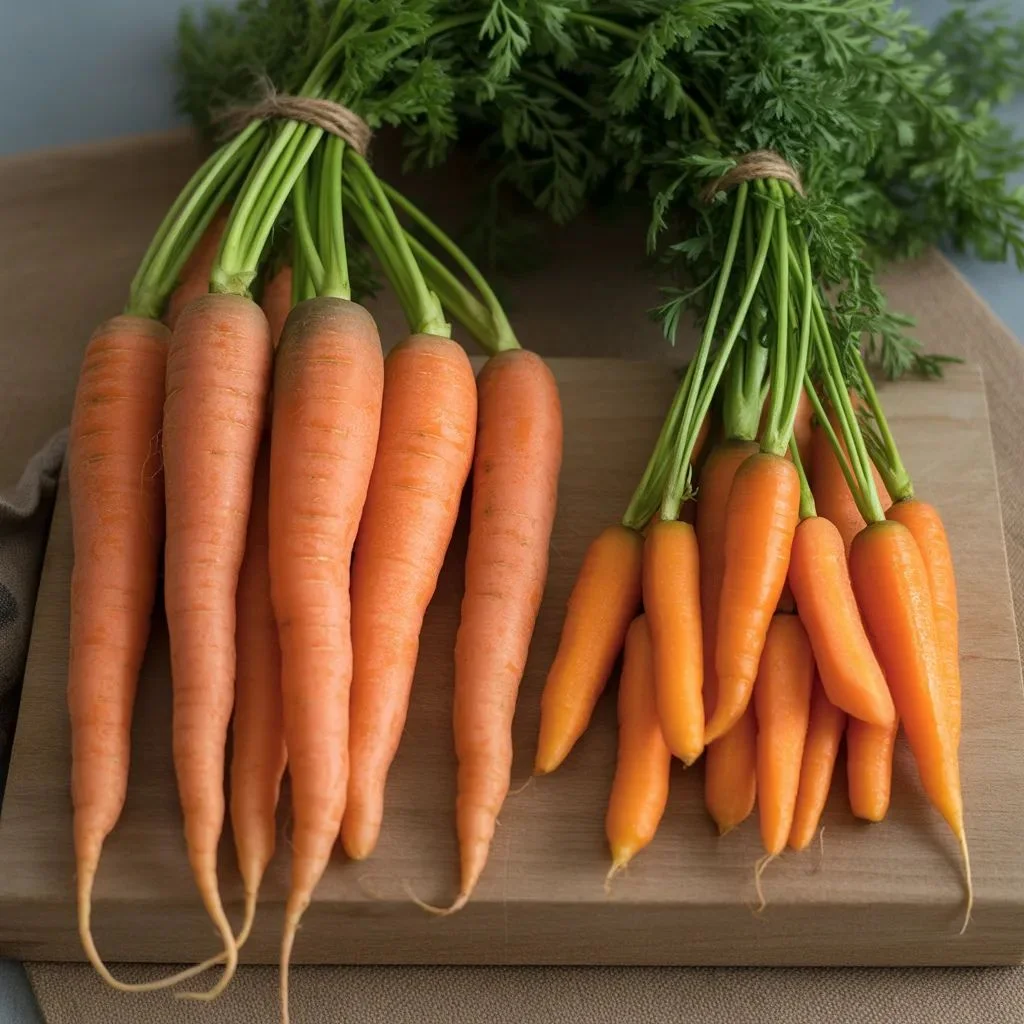
Many people still wonder whether baby carrots are less healthy than whole carrots. In most cases, the answer is no. USDA SNAP-Ed says baby carrots are regular carrots cut into smaller pieces, and UC Davis explains that baby-cut carrots are peeled, fresh-cut carrots packaged for convenience.
The main difference is usually convenience, texture, and how they are used. Whole carrots may feel fresher for roasting or shredding, while baby carrots are easier for snacking. UC Davis postharvest guidance notes that lightly processed cut-and-peel carrots typically maintain quality for about 2 to 3 weeks at proper refrigerated temperatures, which helps explain why they work so well as a ready-to-eat fridge staple.
So, if someone tells you baby carrots are “fake” or much worse than regular carrots, that is mostly misunderstanding. They are simply a convenient version of the same vegetable, and for many people that convenience is exactly why they eat more vegetables in the first place.
Simple Ways to Get More Benefit From Them
The easiest way to use baby carrots is also the best: keep them visible and ready. Put them at eye level in the fridge. Portion them into small containers. Pair them with a simple dip so they feel like a real snack, not an afterthought.
A practical approach is to eat them with hummus, yogurt-based dip, bean dip, or alongside a sandwich at lunch. They also work in stir-fries, sheet-pan dinners, soups, and quick roasted vegetable trays. If raw carrots feel boring, roast baby carrots with olive oil, black pepper, and a little garlic. The flavor gets sweeter and deeper without becoming unhealthy.
Another helpful point is serving size. USDA SNAP-Ed materials note that 12 baby carrots count as 1 cup from the vegetable group. That makes them easy to measure without overthinking things. A handful in the afternoon, another handful with dinner, and suddenly your day looks a lot better nutritionally.
A simple real-life example: if someone usually reaches for chips at 4 p.m., switching even a few days a week to baby carrots and hummus can lower calories, add fiber, and improve overall food quality. It is not dramatic, but it is exactly the kind of small habit that builds better wellness over time.

A Few Smart Tips Before You Buy
Choose bags that look bright, firm, and moist, not dried out or slimy. Store them in the refrigerator and use them while their texture still feels crisp. USDA produce guidance notes that carrots can last several weeks in the refrigerator when stored properly, while fresh-cut carrots generally keep best when kept cold.
It also helps to think about what you will really eat. If you love raw snacks, baby carrots are a smart buy. If you mostly cook, full-size carrots may give you more flexibility. Both can be healthy, so the better choice is usually the one you will use consistently.
That is the heart of Baby Carrots and Their Health Benefits. They are simple, dependable, and easy to turn into a real habit. For everyday wellness, that is often exactly what people need.
Recommended: The Power of Slow Living Finding Peace in a Busy World.