Are Facial Good For Skin Benefits Risks And Expert Tips
If you have ever wondered, Are Facial Good For Skin, the honest answer is yes for some people, but not in every case. A facial can help your skin feel cleaner, softer, and more hydrated. It may also support a healthy glow when the treatment matches your skin type. At the same time, a harsh facial can leave skin red, dry, irritated, or broken out, especially if you already have acne, rosacea, or sensitive skin.
A facial is usually a non-invasive treatment that may include cleansing, moisturizing, exfoliating, and other steps chosen for your skin needs. That sounds simple, but the results depend on what is used, how aggressive the treatment is, and how your skin reacts. Dermatology sources also warn that strong scrubs, masks, astringents, and too much rubbing can irritate skin and make acne worse.
So, the real question is not just whether facials are good. It is which facial, for which skin type, and under what conditions. Once you look at facials that way, the answer becomes much clearer.
What a facial really does for your skin
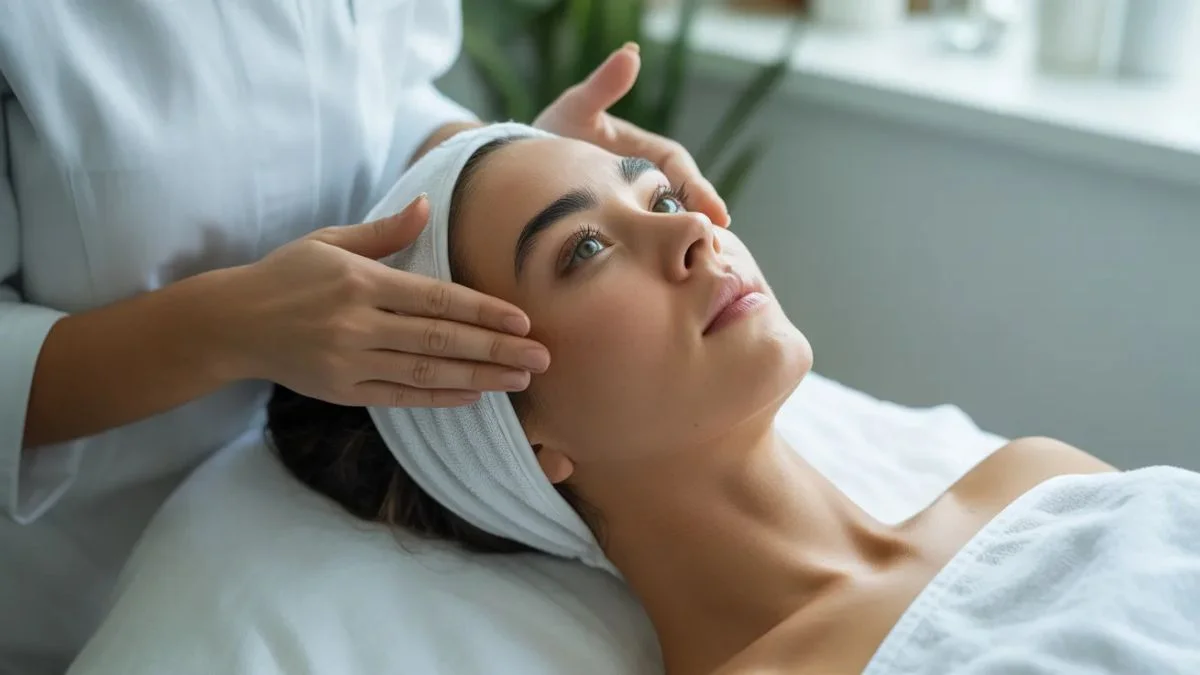
A basic facial is meant to support skin care, not replace medical treatment. The main goals are usually to cleanse away oil and surface buildup, add moisture, and improve the look and feel of the skin for a short time. Cleveland Clinic explains that facials are designed to address skin concerns, promote overall skin health, and help you relax. That means facials are often best for maintenance and comfort rather than as a cure for stubborn skin problems.
This matters because people often expect too much from one appointment. If your skin is dull from dryness, a gentle facial may help quickly because hydration can make skin look smoother and fresher. But if you have ongoing acne, rosacea, eczema, or deep scarring, a facial alone will not solve the real problem. In those cases, a dermatologist-guided treatment plan usually matters more than repeated spa visits.
Another important point is that not all facials are the same. A gentle hydrating facial is very different from a treatment that includes heavy exfoliation, strong acids, rough extractions, or a chemical peel. Light chemical peels can help with acne, uneven tone, dryness, and fine lines, but Mayo Clinic notes they can also cause redness, swelling, scabbing, and in rare cases scarring.
The real benefits people may notice
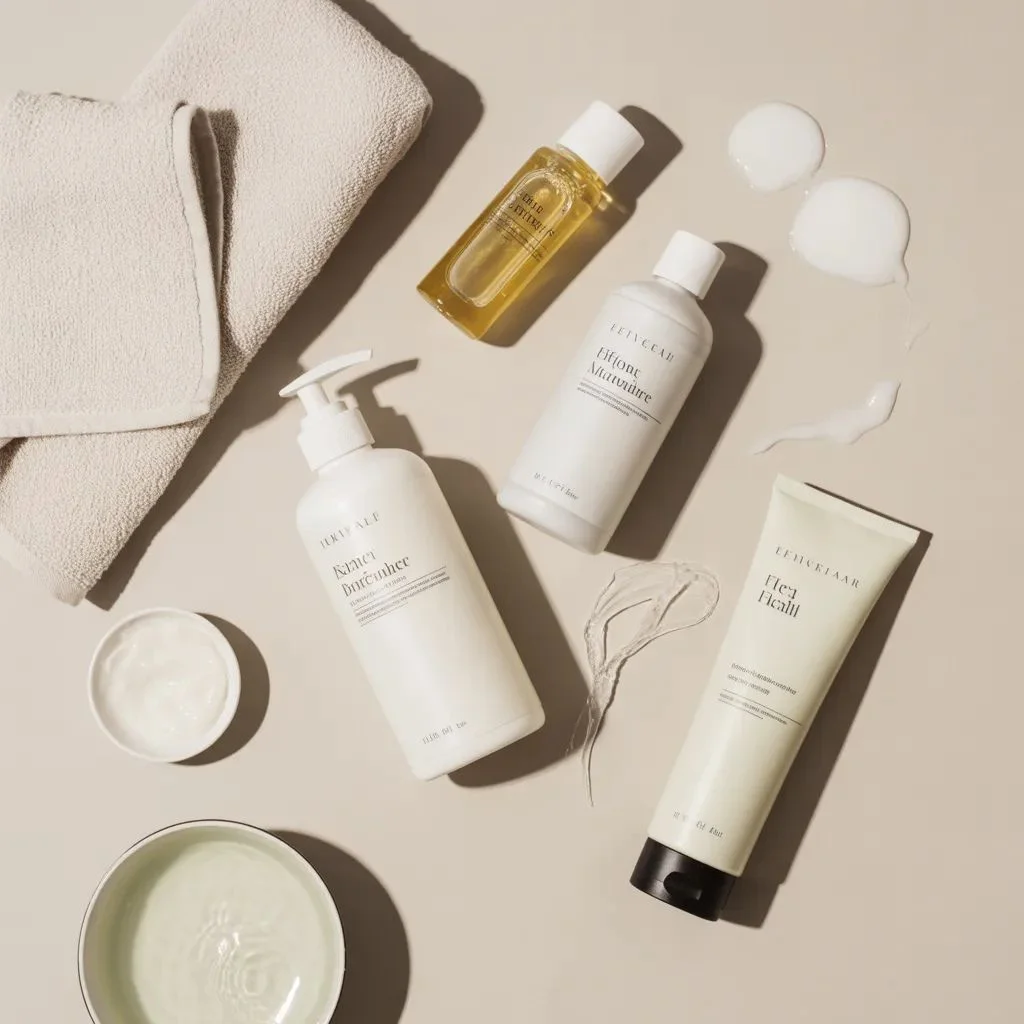
The biggest benefit of a good facial is often simple: your skin can feel better. Many people notice smoother texture, softer skin, and a temporary healthy glow after a gentle facial. Hydration can reduce the tight, dull feeling that comes with dry skin, while a mild exfoliating step can help remove rough surface cells. These benefits are most noticeable when your skin barrier is already in decent shape and the products used are not irritating.
Some facials may also help you stick to better skin habits. When a treatment is done properly, it can remind you that gentle cleansing, moisturizing, and sun protection matter more than harsh scrubbing. Mayo Clinic stresses that one of the best ways to keep skin healthy is basic daily care, especially gentle cleansing and protecting skin from the sun.
There is also a comfort factor that people should not ignore. Stress does not cause every skin issue, but relaxing treatments can help you feel better about your skin and more motivated to care for it. That said, the safest facials are the ones that respect your skin barrier instead of trying to strip, burn, or over-polish your face in the name of deep cleaning.
When a facial can do more harm than good
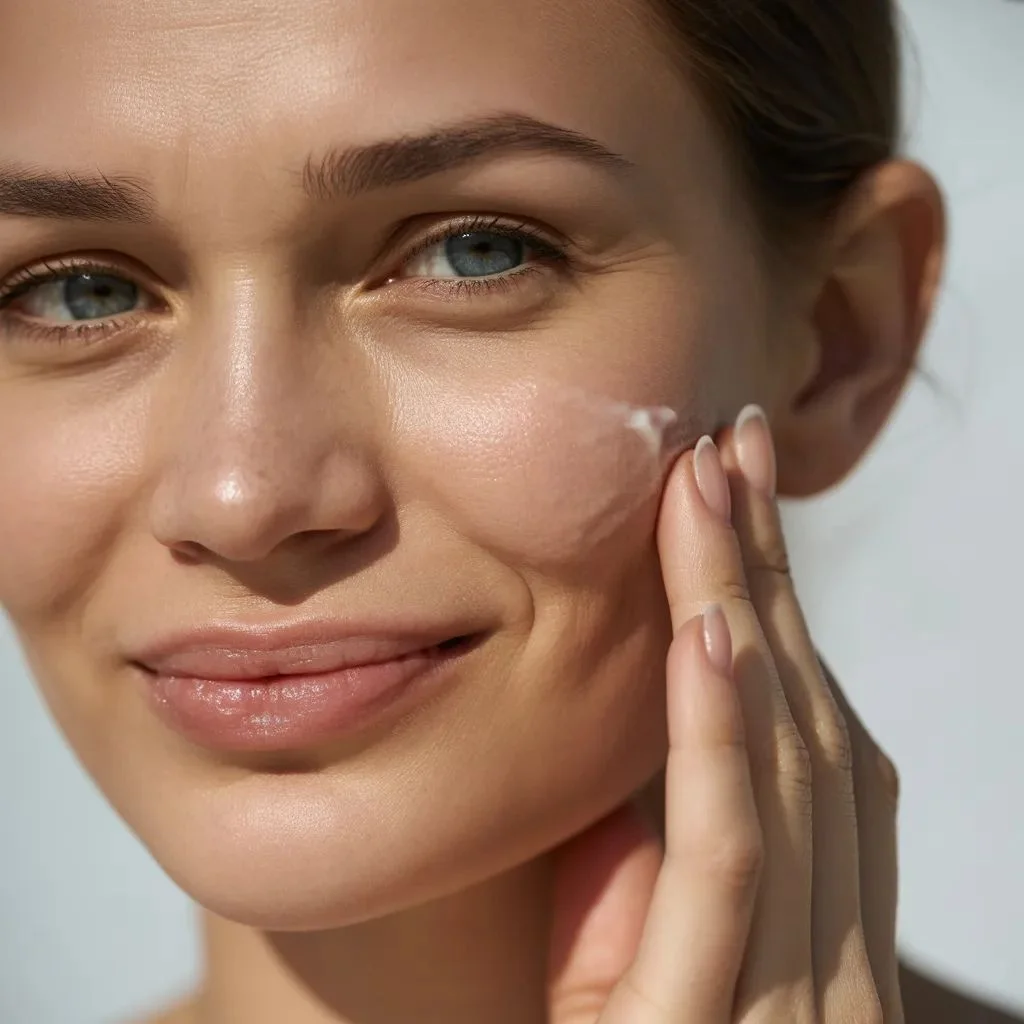
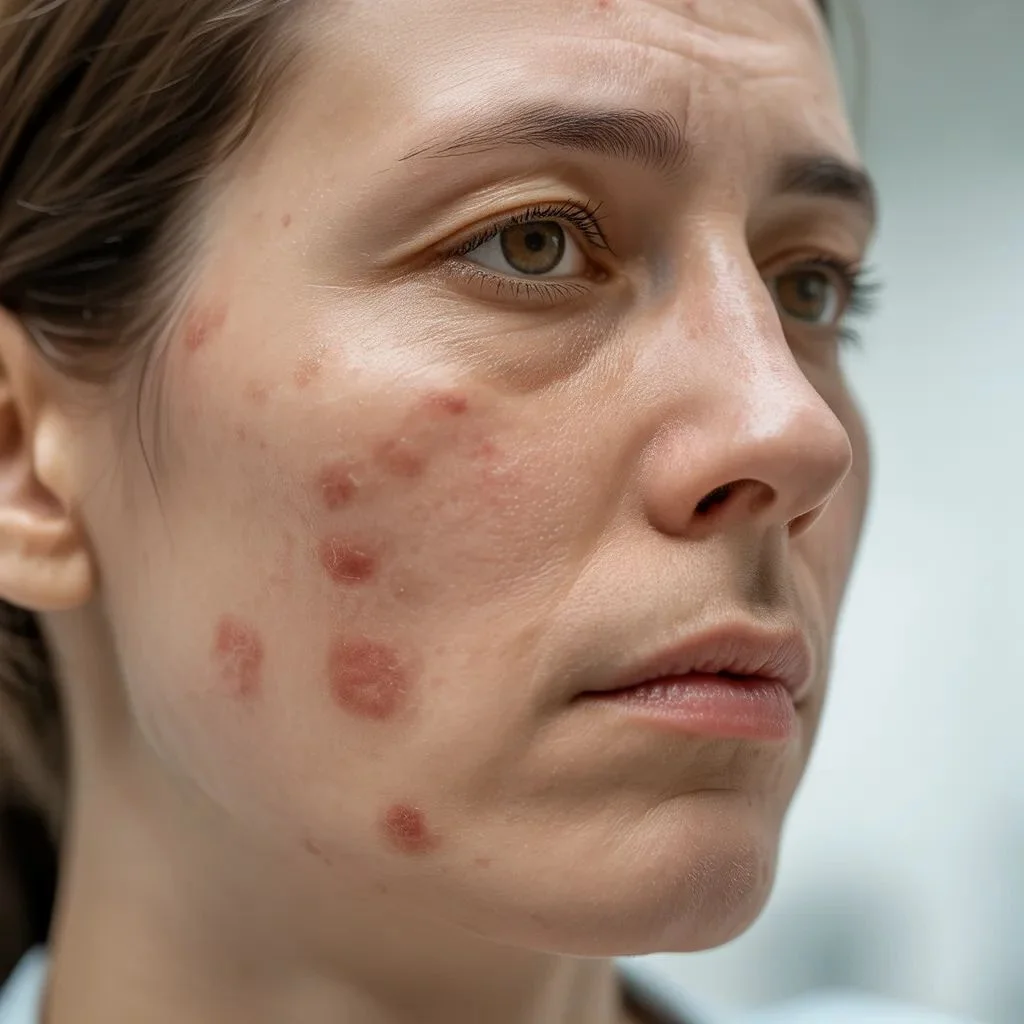
This is where many people get into trouble. If your skin is acne-prone, too much exfoliation, too much washing, harsh scrubs, and drying products can all make things worse. Mayo Clinic says facial scrubs, astringents, and masks can irritate skin and worsen acne. The American Academy of Dermatology also warns that exfoliants, toners, and rough tools can dry out and irritate acne-prone skin.
Aggressive handling is another problem. Picking, squeezing, or rough extractions can increase inflammation. AAD notes that popping or squeezing acne can push material deeper into the skin and raise the risk of more noticeable acne, pain, and scarring. So if a facial leaves your face feeling raw, swollen, or full of new angry spots, that is not your skin “purging.” It may simply be irritation.
Sensitive skin needs even more care. If you have rosacea, dermatologists say skin is often easily irritated and proper skin care plays a key role in controlling flare-ups. They recommend avoiding ingredients such as alcohol, fragrance, glycolic acid, lactic acid, menthol, and astringents. Mayo Clinic also advises choosing fragrance-free products and avoiding common irritants.
People with darker skin tones also need to be careful with aggressive exfoliation. AAD notes that stronger chemical or mechanical exfoliation may lead to increased pigmentation or dark spots for some people, especially if the skin already reacts by developing marks after irritation. That does not mean facials are bad for deeper skin tones. It means the treatment has to be chosen carefully and done gently.
Which facials tend to suit different skin types
For oily or acne-prone skin, the safest direction is usually a gentle facial, not an aggressive one. Look for mild cleansing, non-comedogenic products, and light hydration rather than rough scrubs or heavy oils. AAD recommends gentle, non-abrasive cleansing and avoiding irritating products such as exfoliants, toners, and astringents. That means an “acne facial” can help only when it is calm, clean, and controlled.
For dry or dehydrated skin, a hydrating facial often makes the most sense. Dry skin usually responds better to gentle, fragrance-free products and richer creams or ointments than to stripping treatments. AAD recommends fragrance-free products for dry, sensitive skin and notes that creams and ointments are usually more effective than lotions for adding moisture.
For sensitive or rosacea-prone skin, less is usually better. Choose facials built around fragrance-free, soothing products with very gentle cleansing and moisturizing. AAD suggests choosing products made for sensitive skin, avoiding astringents and many irritating ingredients, and being very gentle when cleansing. They also note that moisturizing can help the skin feel more comfortable and improve treatment results.
If a facial includes peeling, scraping, strong acids, or intense rubbing, it is not usually the best first choice for beginners or people with reactive skin. A better starting point is a basic facial focused on gentle cleansing, barrier support, and hydration.

How to make facials safer and more useful
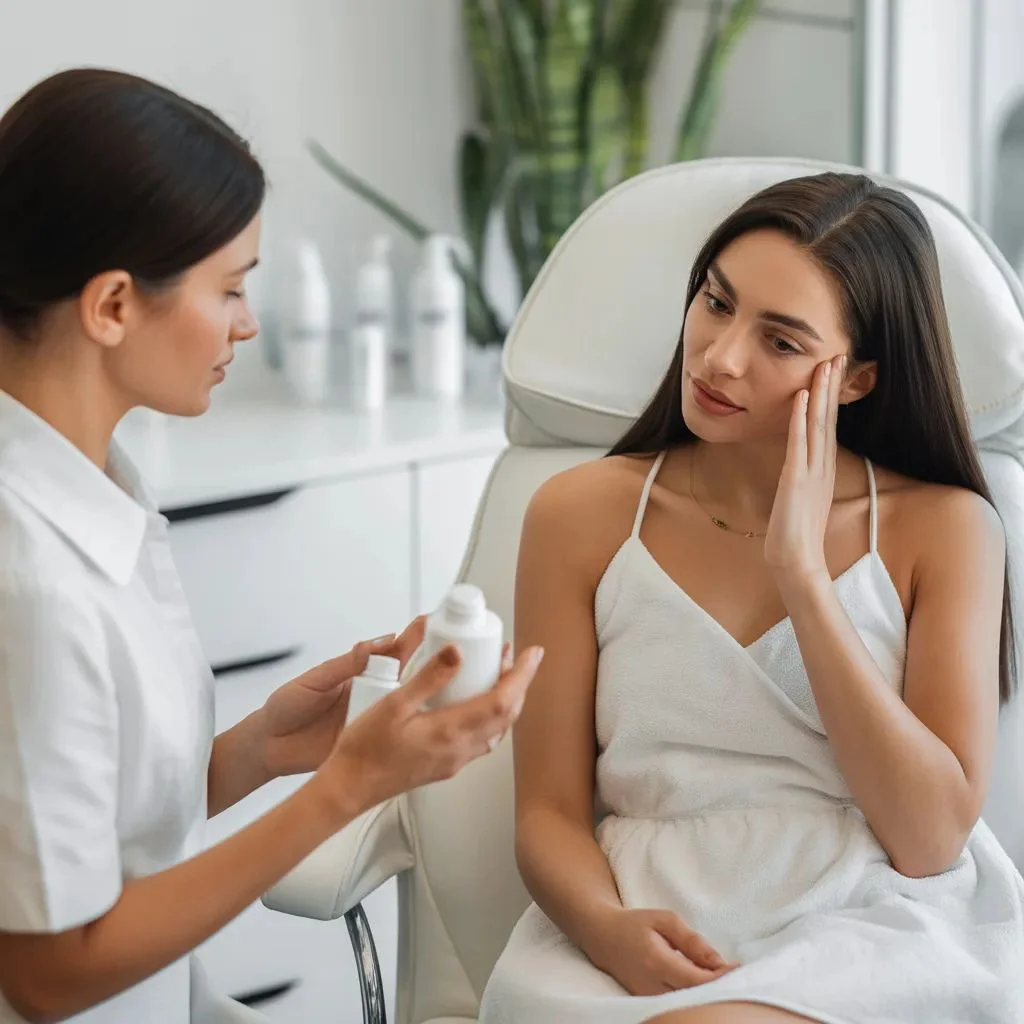
The best way to get value from a facial is to treat it like skin care, not magic. Tell the provider if your skin burns, peels, stings, breaks out easily, or reacts to products. Ask for fragrance-free, gentle, non-comedogenic options when needed. If you have rosacea or very sensitive skin, this step matters even more because many common ingredients can trigger irritation.
It is also smart to test new products before putting them all over your face. AAD recommends applying a product to a small test spot twice daily for seven to ten days to see whether it causes redness, itching, or swelling. That simple habit can save you from a very bad facial reaction.
After a facial, gentle care matters. Use mild cleansing, a good moisturizer, and daily sun protection. Mayo Clinic calls sun protection one of the most important ways to care for your skin, and AAD notes that sunscreen is especially important for rosacea-prone skin and for reducing flare-ups caused by sun exposure.
When a dermatologist is the better choice
If your skin problem is medical, a facial should not be your main plan. A dermatologist is usually the better choice if you have deep, painful acne, acne that keeps coming back, scarring, constant redness, burning, rashes, or skin that reacts badly to many products. AAD says many people with acne can benefit from seeing a dermatologist, and you do not have to wait until it becomes severe.
This is especially true if you keep trying new treatments and your skin only gets more irritated. AAD warns that changing acne treatments too often can irritate the skin and cause more breakouts. In other words, skin that is already upset usually does not need more experiments. It needs a smarter plan.

The better way to answer the question
So, Are Facial Good for Skin? Yes, they can be. A gentle facial that matches your skin type may help with hydration, comfort, smoother texture, and short-term glow. But a harsh facial can trigger irritation, breakouts, redness, or dark marks, especially if your skin is acne-prone, sensitive, or rosacea-prone.
The smartest approach is simple. Choose gentle over aggressive. Choose fragrance-free over heavily perfumed. Choose skin barrier support over deep scrubbing. And if your skin issue keeps coming back, let a dermatologist guide the bigger treatment plan. That is the most honest and useful answer behind Are Facial Good for Skin.
Recommended: Summer Skin Care Routine for Healthy and Glowing Skin.
FAQs
Are Facial Good for Skin if I have acne?
They can help only if the facial is very gentle. Harsh scrubs, astringents, masks, and rough handling can worsen acne and irritation.
Can a facial cause breakout?
Yes. Skin can break out after irritation, over-exfoliation, rough extractions, or using products that do not suit your skin. Picking and squeezing can also increase inflammation and raise the risk of scarring.
Should people with rosacea get facials?
Only with caution. Rosacea-prone skin is easily irritated, so the safest choice is a very gentle facial with fragrance-free products and no harsh exfoliation.
What is the safest facial for beginners?
A simple hydrating facial with mild cleansing, fragrance-free products, and no aggressive exfoliation is usually the safest starting point for most people.