Social Realities In Japan Visitors Should Understand Before Visiting
Japan is often seen as one of the most fascinating countries in the world. Many travellers admire its clean cities, efficient public transport, rich traditions, beautiful temples, modern technology, and respectful public behavior. All of that is real. At the same time, like every society, Japan also has challenges and social pressures that may not be obvious to short-term visitors. Learning about these realities does not mean judging the country. It simply helps you visit with more awareness, respect, and balance.
Many travel articles focus only on the positive side of Japan, while some online discussions go too far in the other direction and paint an unfairly dark picture. The truth usually sits somewhere in the middle. Japan can feel welcoming, peaceful, and inspiring, but it can also seem highly structured, emotionally reserved, and socially demanding. For a traveller, understanding that balance can make the experience smoother and more meaningful.
Why Visitors Should Look Beyond The Perfect Image
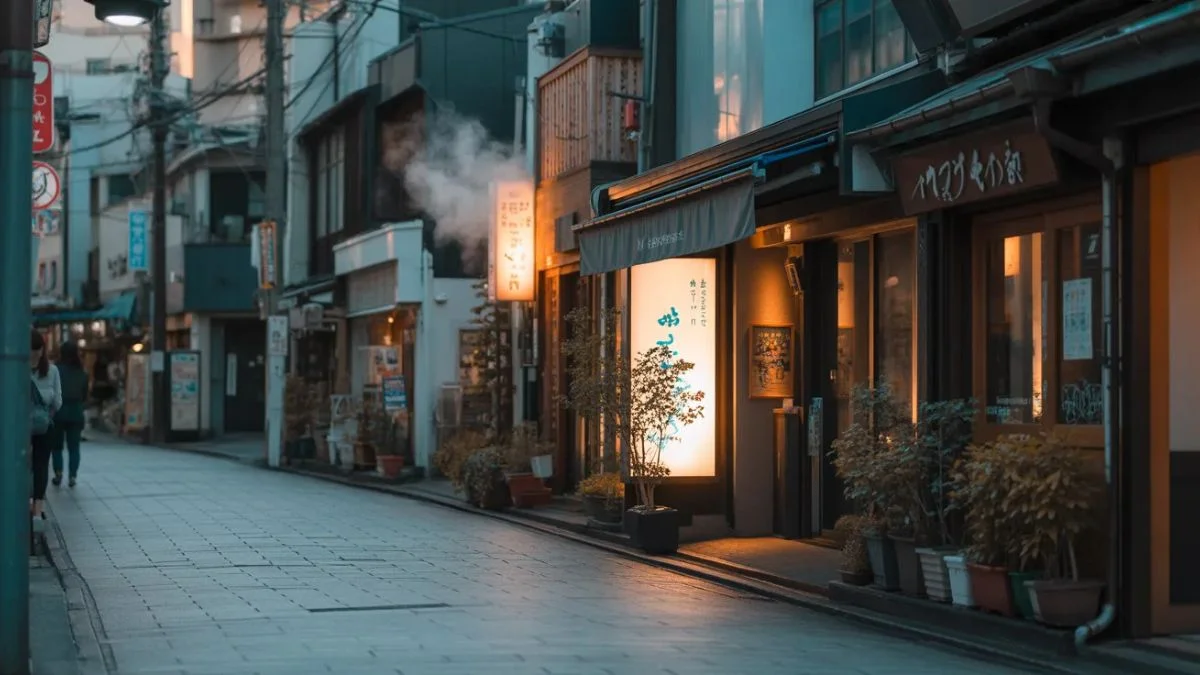
One of the biggest surprises for first-time visitors is the difference between Japan’s polished public image and the more complex social reality behind it. From the outside, daily life may look almost perfectly organized. Trains are quiet, people queue neatly, streets are clean, and public behaviour often appears calm and controlled. Many travelers love this, especially if they come from noisier or less predictable environments.
However, that same order can sometimes reflect a culture where social harmony is taken seriously and where people may feel pressure to avoid disturbing others. As a visitor, you may notice this in small ways. People speak softly in public spaces. They avoid drawing attention to themselves. They may not openly confront someone, even if there is a problem. This can feel elegant and respectful, but it can also seem emotionally distant to outsiders who are used to more direct interaction.
That does not make Japan “bad” or “cold.” It simply means social behavior may be guided by different expectations than what some travellers are used to.
Social Pressure And The Importance Of Fitting In
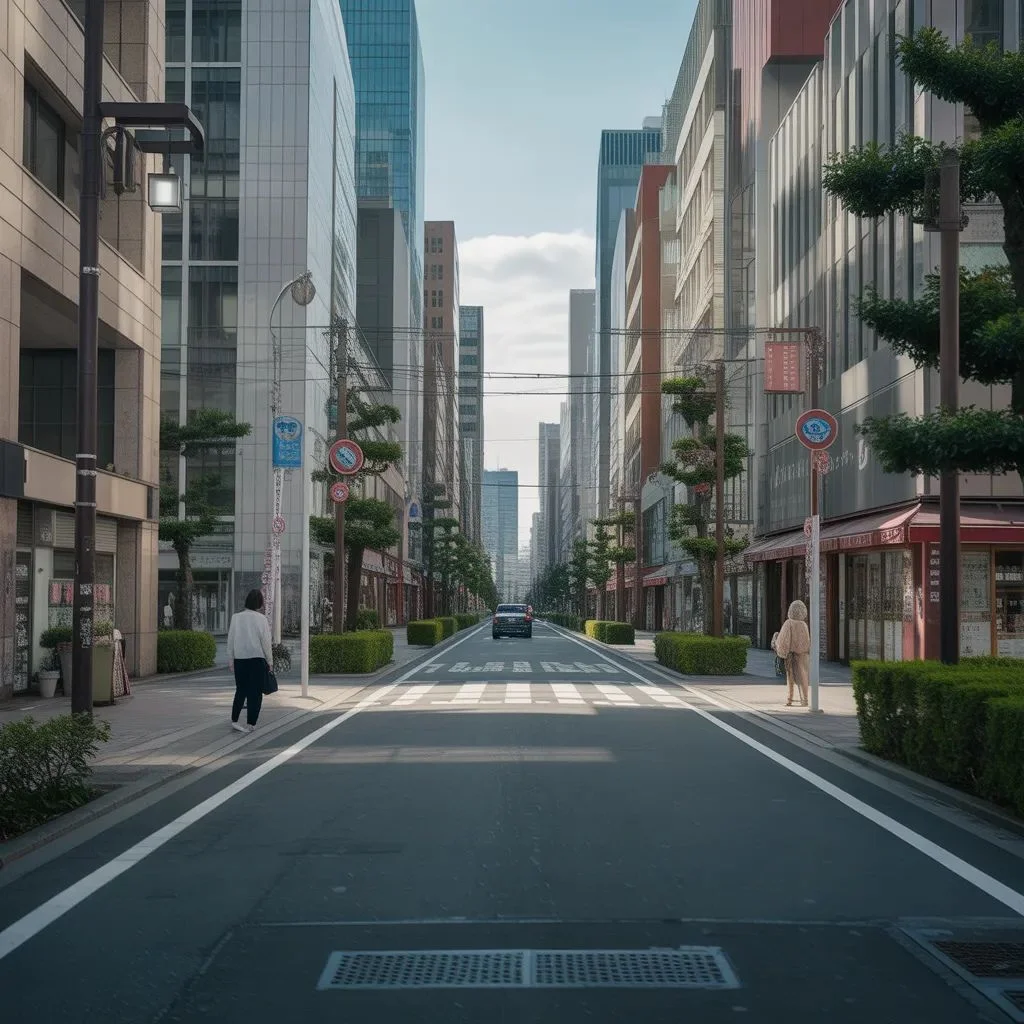
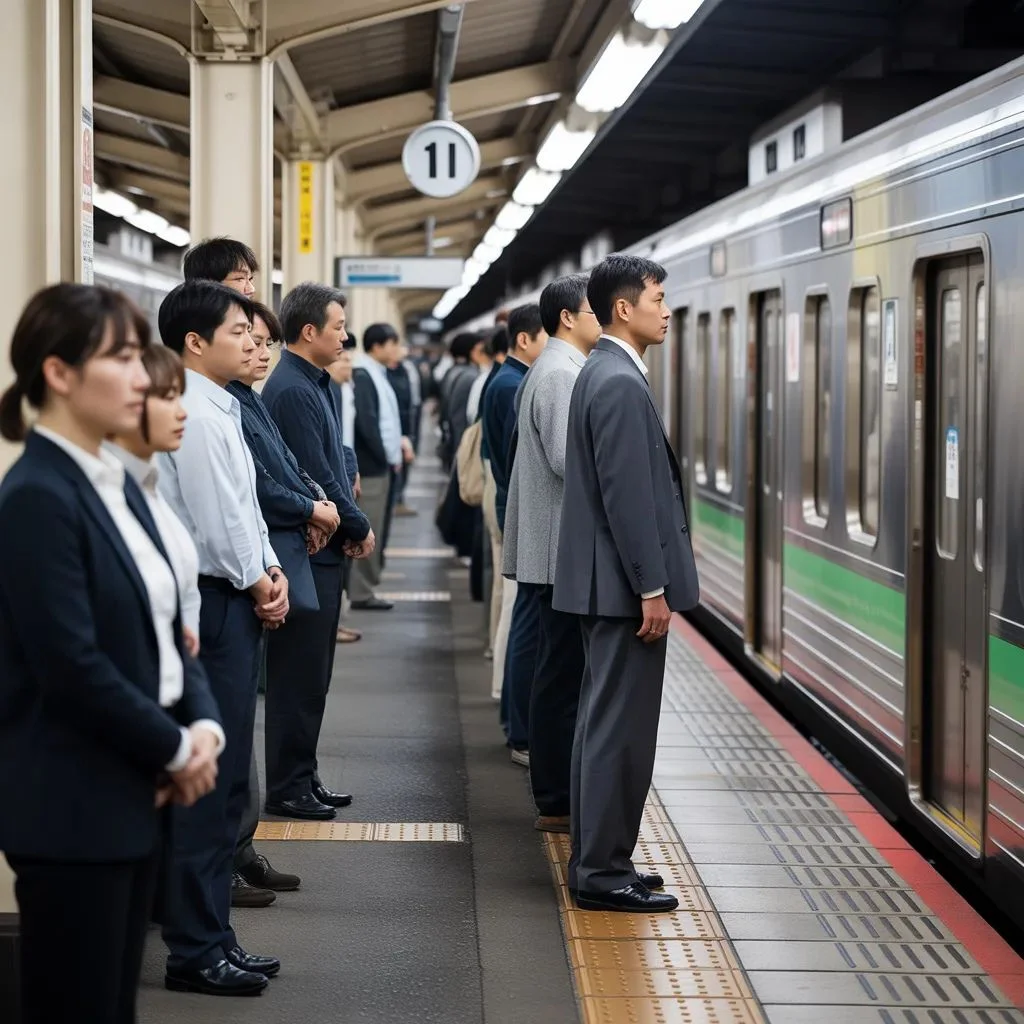
A common point raised by observers of Japanese society is the importance of fitting in and reading the room. In many situations, people are expected to be aware of shared rules without needing everything to be explained directly. Visitors may feel this in restaurants, train stations, hotels, shrines, and even casual public spaces.
For example, a tourist may quickly notice that public behavior is quiet and controlled. Even without being corrected, they may lower their voice, move more carefully, and start watching how others behave. This kind of environment can be very comfortable for some people, but stressful for others. It creates a feeling that there is a “right” way to act, even when the rule has not been spoken out loud.
It is important not to exaggerate this point. Not everyone in Japan experiences the same kind of pressure, and not every situation is strict. Still, some visitors do notice that social expectations can feel stronger than in some other countries. That is useful to understand before visiting, especially if you prefer informal or highly expressive environments.
Indirect Communication Can Be Hard To Read
Another cultural difference that sometimes confuses travelers is communication style. In Japan, people may avoid direct disagreement in order to preserve politeness or prevent discomfort. Instead of giving a blunt “no,” someone may respond more softly or less clearly. In everyday situations, this can be interpreted by visitors as shyness, distance, or uncertainty.
In reality, it may simply be a different style of social communication. Many people in Japan value smooth interaction and may try to avoid embarrassing another person in public. That can be helpful in some situations, but it can also make things harder to read if you come from a more direct culture. A smile may be polite rather than personal. A soft answer may signal refusal without sounding harsh.
Travelers should keep this in mind so they do not misunderstand the tone of an interaction. A formal or reserved response does not automatically mean someone dislikes you. It may simply reflect a local norm around emotional restraint and social courtesy.
Work Culture And The Polished Visitor Experience
Japan is widely admired for its high level of service. Hotels, shops, restaurants, and transport systems often operate with impressive care and professionalism. For travellers, this can feel amazing. But some discussions about Japanese society point out that this polished public experience may also be connected to demanding work expectations in some sectors.
It would be unfair to present all workplaces in Japan in the same way. Work culture varies by industry, company, age group, and region. Still, Japan has long been associated in public discussion with long hours, deep commitment to the workplace, and pressure to perform reliably. That history has shaped how many outsiders think about Japanese professional life.
As a traveler, the most important takeaway is not to make sweeping judgments. Instead, remember that excellent service is also labor. Behind every perfectly presented meal, clean hotel room, and efficient train platform, there are workers doing real jobs under real pressures. Respecting staff, being patient, and avoiding entitled behavior matters everywhere, but it feels especially important in places where service standards are high.
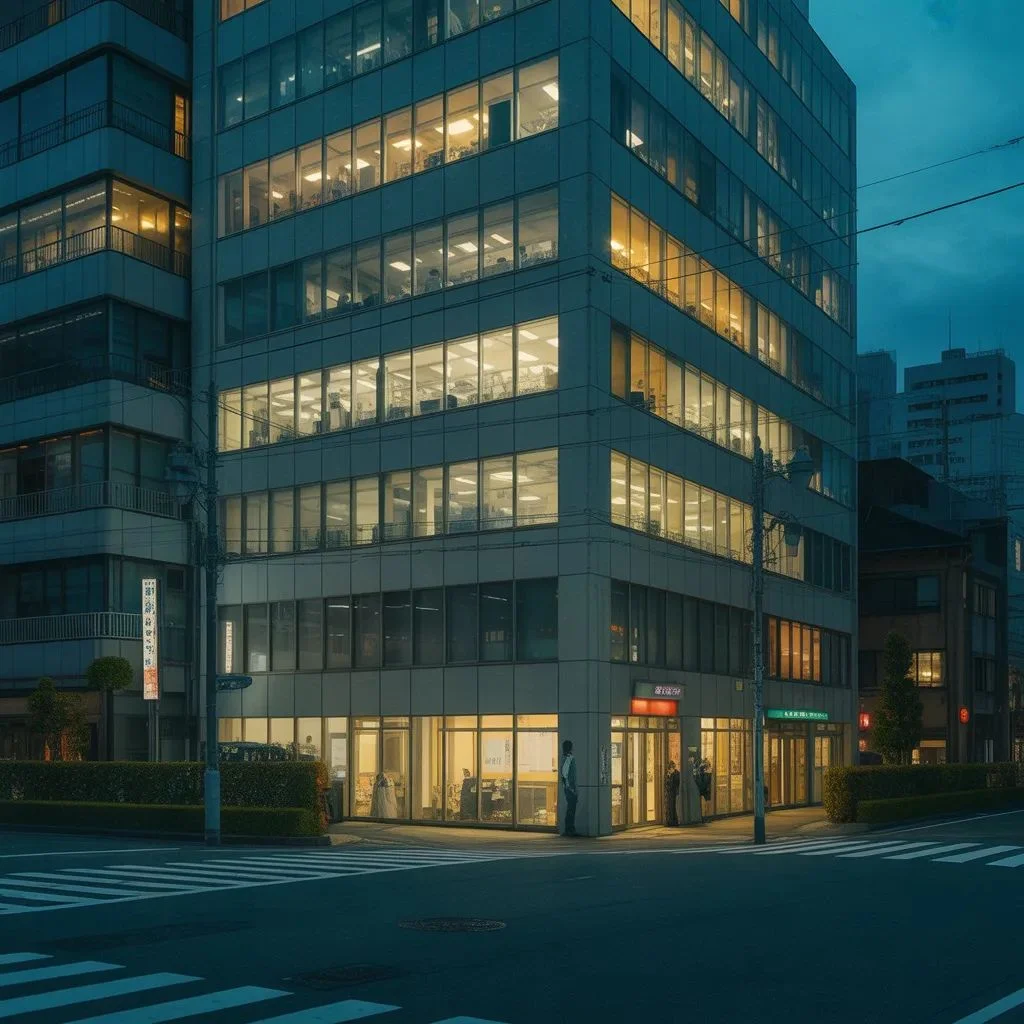
Loneliness And Emotional Distance In Urban Life
Japan is often described as safe, structured, and socially stable. Yet some writers and researchers have also discussed the issue of loneliness and emotional isolation, especially in large cities. This does not mean Japan is uniquely lonely, and it certainly does not define all Japanese people. Still, it is part of the broader conversation around modern life there.
A traveler may not see this directly, but they may sense a certain emotional distance in public life. Crowded places can still feel very quiet. People may share space closely while remaining personally separate. Neighbors may not interact much. Public behavior can be respectful without being warm in the way some visitors expect.
This can be interpreted in different ways. Some people find it peaceful. Others find it lonely. Both reactions are understandable. The key is not to assume that silence means emptiness or that distance means unkindness. It may simply reflect a social habit of giving others privacy and avoiding intrusion.
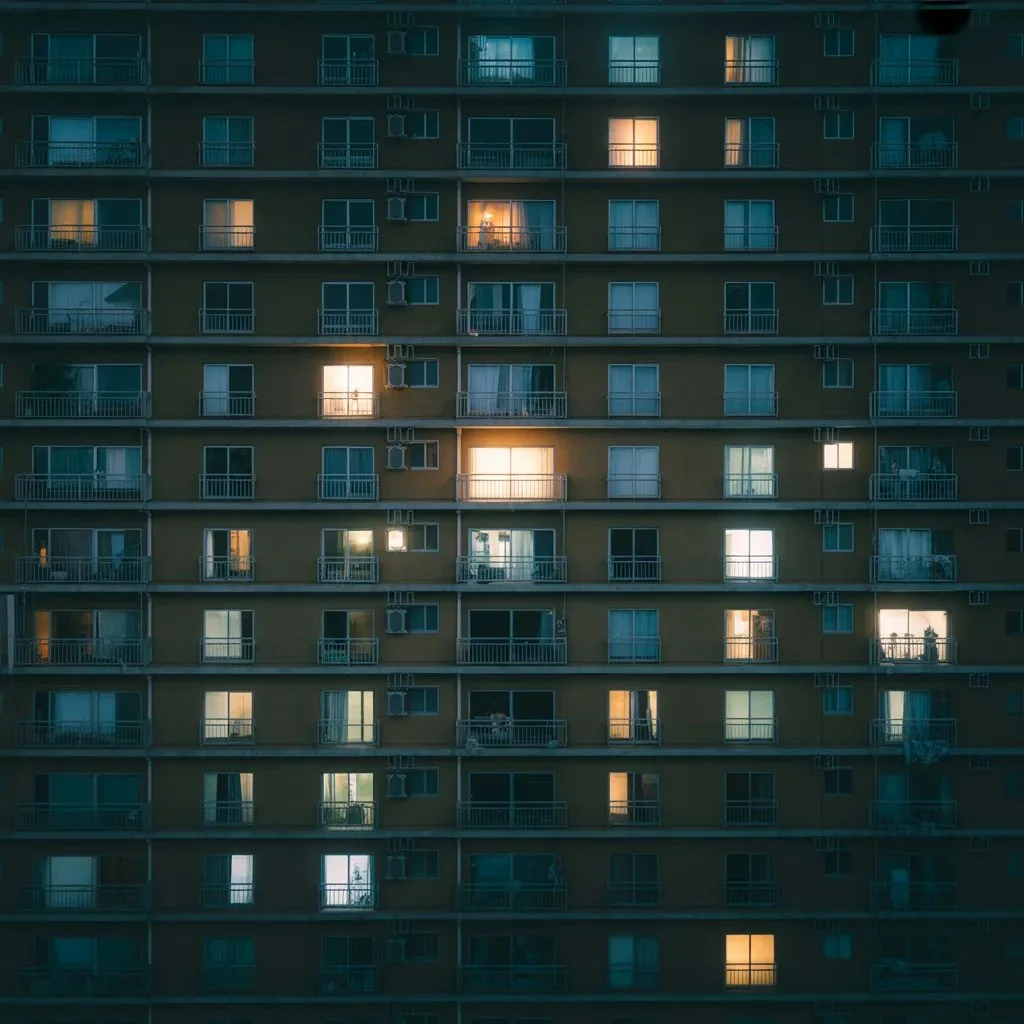
Traditional Expectations In A Highly Modern Society
Japan often looks futuristic from the outside. Neon districts, advanced transport, robotics, and cutting-edge retail can make it seem ultra-modern. But many visitors also notice that traditional expectations still carry weight in daily life. This may appear in family roles, workplace behavior, appearance standards, or ideas about public conduct.
That contrast can surprise people. A city may look highly modern while some social expectations feel conservative. Again, it is important to avoid overgeneralizing. Japan is not one single mindset, and attitudes differ widely between individuals and generations. Younger people, especially in major cities, may hold very different views from older generations.
Still, travellers should be prepared for a society where tradition and modernity often exist side by side. That blend is part of Japan’s character, but it can also create tensions that outsiders may not notice at first glance.
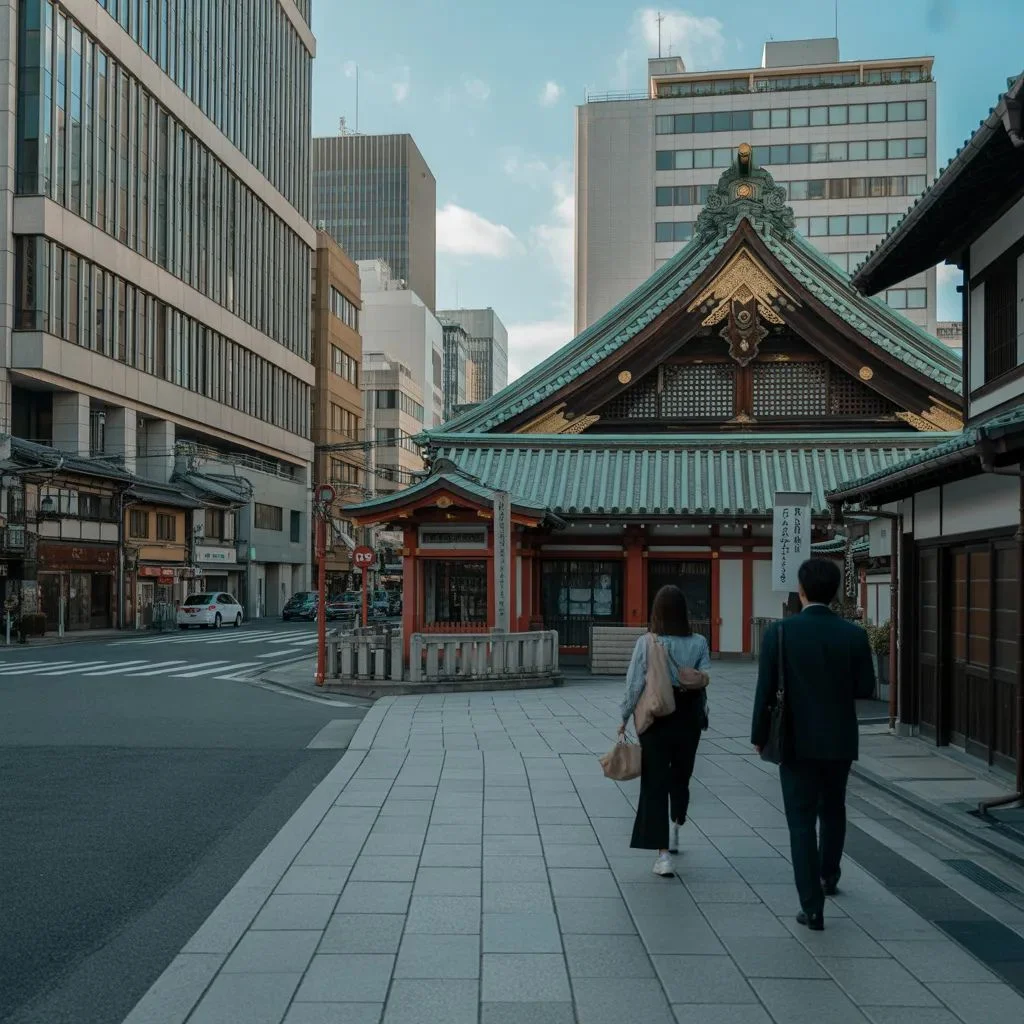
How To Approach These Realities Respectfully
The best way to respond to these social realities is not fear or criticism. It is observation. If you are visiting Japan, watch how people behave in shared spaces. Notice the pace, tone, and rhythm of daily life. Speak respectfully, lower your volume in public transport, and be willing to follow local habits when you are unsure.
It also helps to avoid turning social differences into entertainment. Some travelers make the mistake of treating cultural tension as a strange or exotic feature. That approach usually creates misunderstanding. A better attitude is to remember that every society has hidden pressures, and that Japan’s challenges are human challenges, not tourist attractions.
Try to stay balanced. Do not romanticize everything, but do not judge too quickly either. A country can be beautiful and demanding at the same time. It can be orderly and stressful, warm in some ways and distant in others. Seeing that complexity usually leads to a more respectful travel experience.
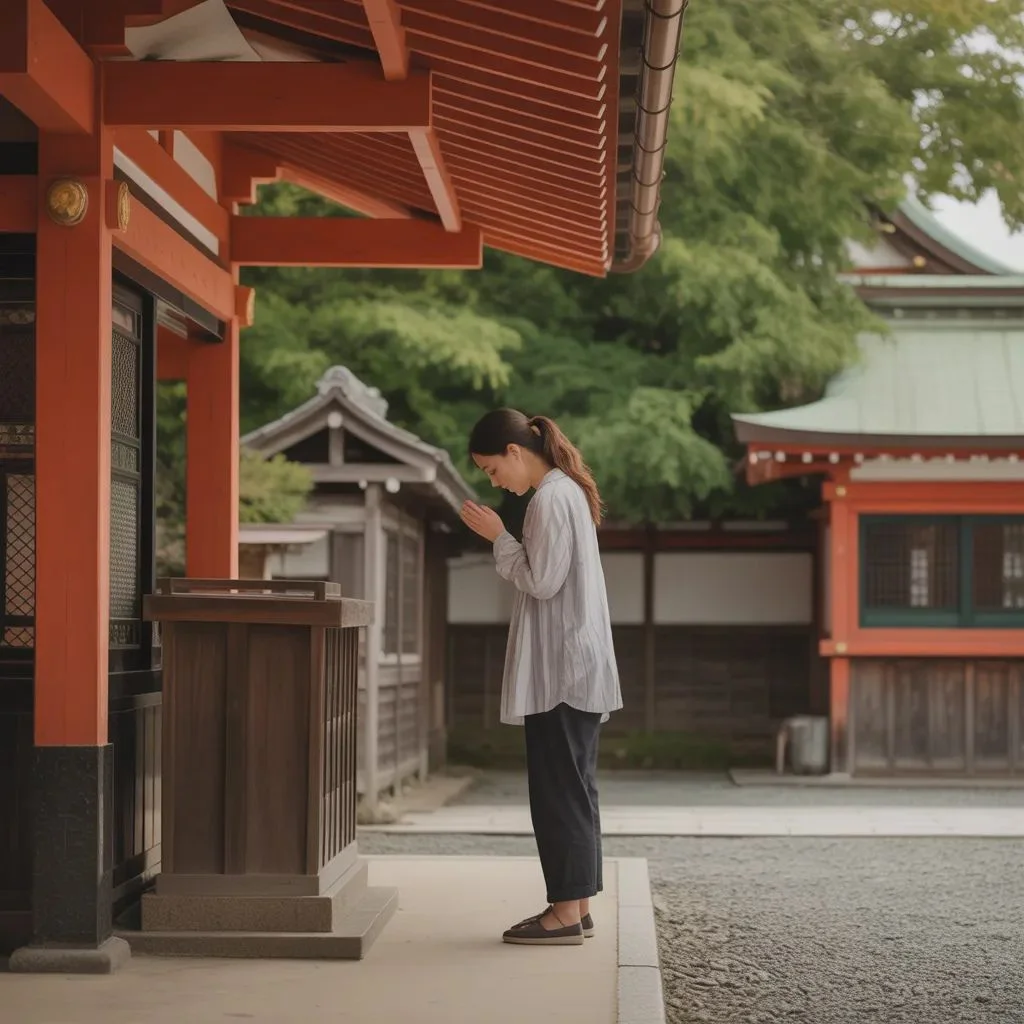
Final Thoughts
Before visiting Japan, it is helpful to understand that the country’s public beauty and discipline exist alongside real social complexity. Some visitors may notice strong social expectations, indirect communication, emotional reserve, demanding work habits, or a contrast between modern image and traditional values. None of this means Japan should be feared or avoided. It simply means it should be understood with maturity.
The most responsible way to write or speak about this topic is to avoid extreme claims. Japan is not a perfect dream, and it is not a dark mystery either. It is a real place shaped by history, pressure, courtesy, change, and contradiction. That is what makes it interesting.
If you visit with open eyes, patience, and respect, you are more likely to appreciate the country for what it is rather than for an unrealistic fantasy. In the end, that is a better way to travel anywhere.
Recommended: Myths About Various Historic Places That People Still Believe.