Myths About Various Historic Places That People Still Believe
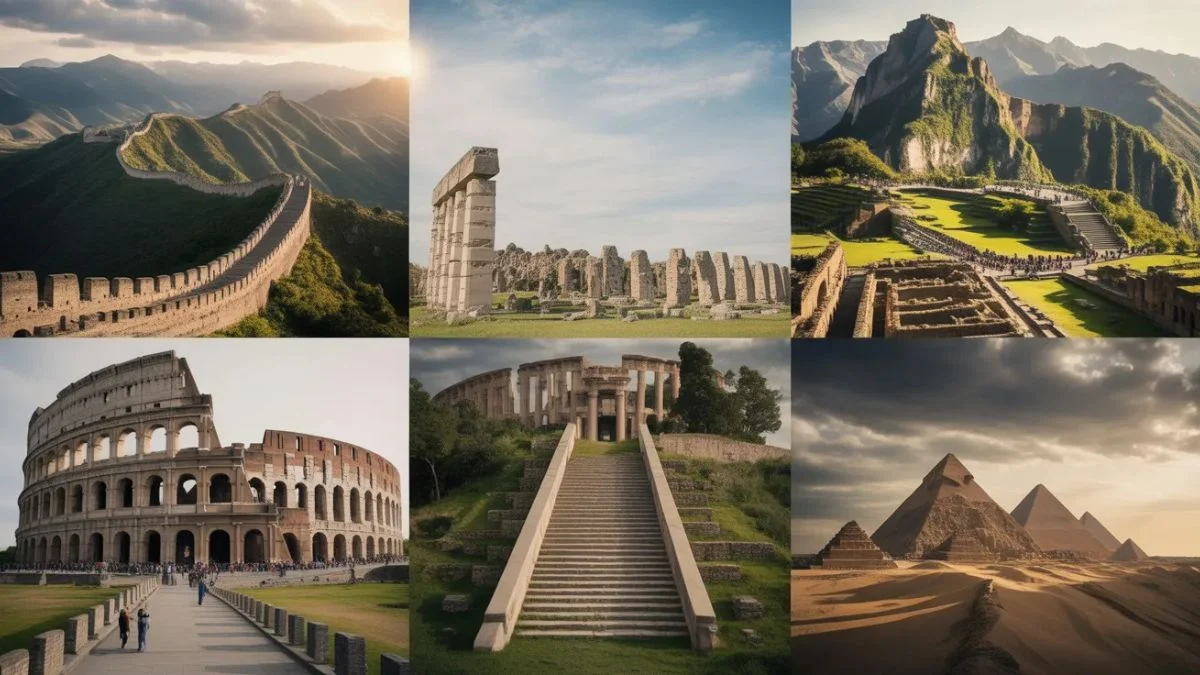
Historic places attract stories the way old walls attract moss. A site survives for centuries, people pass down half-true tales, movies add drama, tour guides simplify the facts, and soon the legend feels more real than the history. That is why Myths About Various Historic Places stay alive for so long. They are easy to remember, emotional, and often more dramatic than the truth.
But the real stories are usually better. When you look at what archaeologists, historians, and official heritage sources say, many famous claims start to fall apart. Some myths are harmless. Others hide the skill of real builders, erase local communities, or turn complex history into a single neat sentence. In this article, we will look at some of the most common Myths About Various Historic Places and compare them with what the evidence shows. By the end, you may never look at these landmarks the same way again.
The Great Wall of China can be seen from the moon
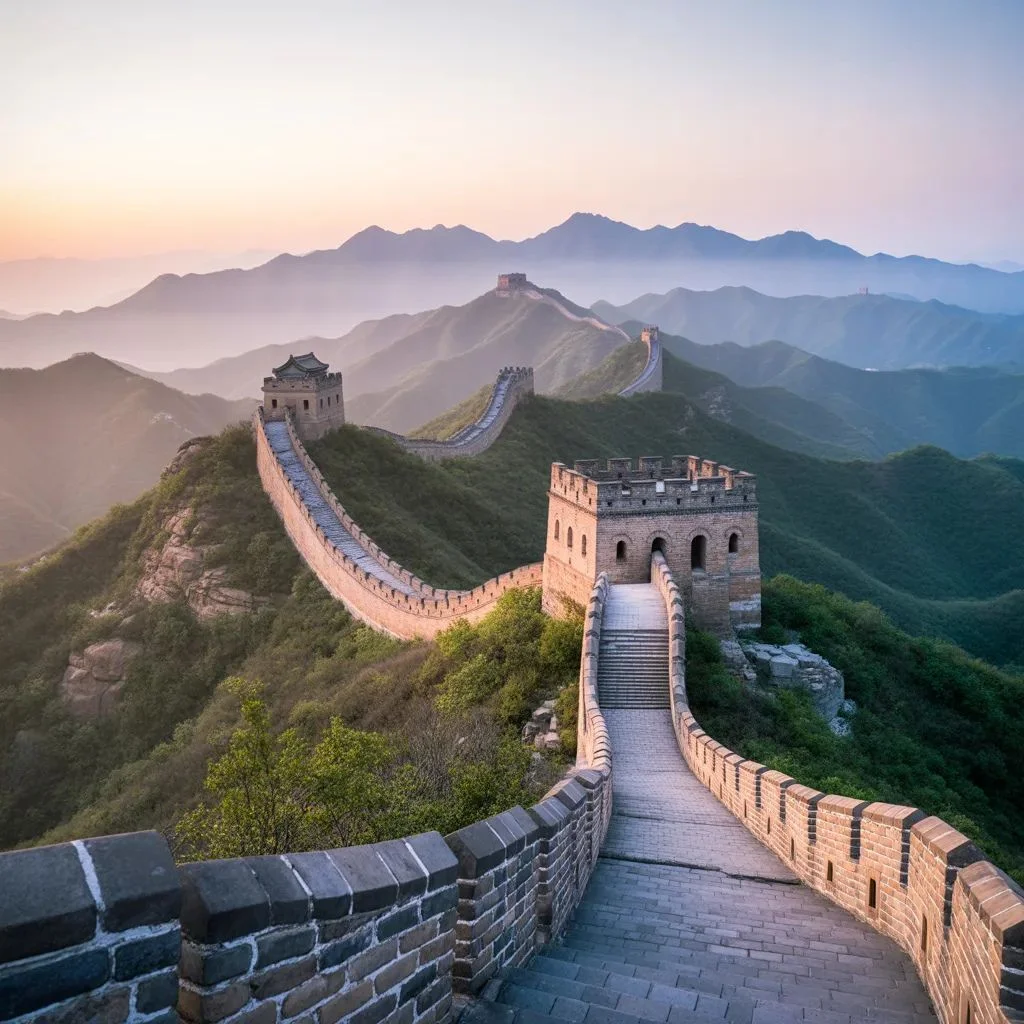
This is one of the most repeated travel myths in the world. Many people heard it in school, saw it in quiz books, or picked it up from documentaries and casual conversation. The claim sounds believable because the wall is so long. If it stretches across such a huge distance, people assume it must be easy to spot from space.
The truth is much less dramatic. NASA states that the Great Wall is not visible from the moon, and that it is difficult or impossible to see from Earth orbit with the naked eye unless you have ideal conditions and special help from lenses. Its length is impressive, but its narrow width and colour make it blend into the landscape. So, the myth survives because people confuse “very long” with “easy to see from far away.” That simple mistake has kept this story alive for generations.
The pyramids were built by slaves whipped into labor
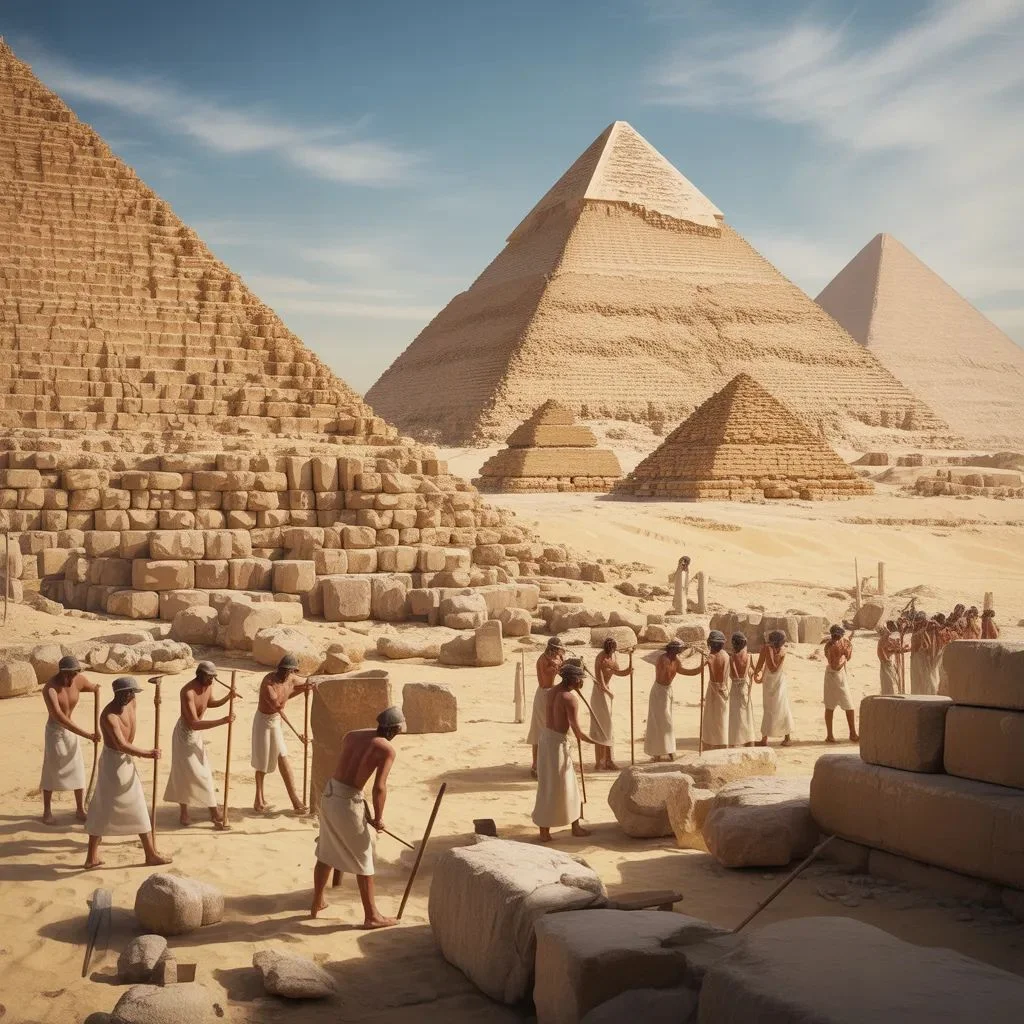
Hollywood did a lot to spread this one. In films and popular retellings, the pyramids appear as giant projects built by endless lines of broken slaves under cruel overseers. It is a powerful image, so it sticks in people’s minds. But archaeology paints a more organized and less cartoonish picture.
On the Giza Plateau, archaeologists found the remains of a settlement known as Heit al-Ghurab, with houses, streets, galleries, storage areas, and an administrative building. Egypt’s Ministry of Tourism and Antiquities identifies it as the place where workers connected to pyramid construction lived. The Ancient Egypt Research Associates project also describes it as a purpose-built urban settlement that served as a base of operations for building the great pyramid complexes.
That does not mean ancient Egypt was gentle or modern by any stretch. It does mean the old movie version of nameless masses driven only by whips is too simple and not supported by the physical evidence. This is one of those Myths About Various Historic Places that hides the planning, labor systems and engineering skill behind the monuments.
Stonehenge was built by Druids or by Merlin
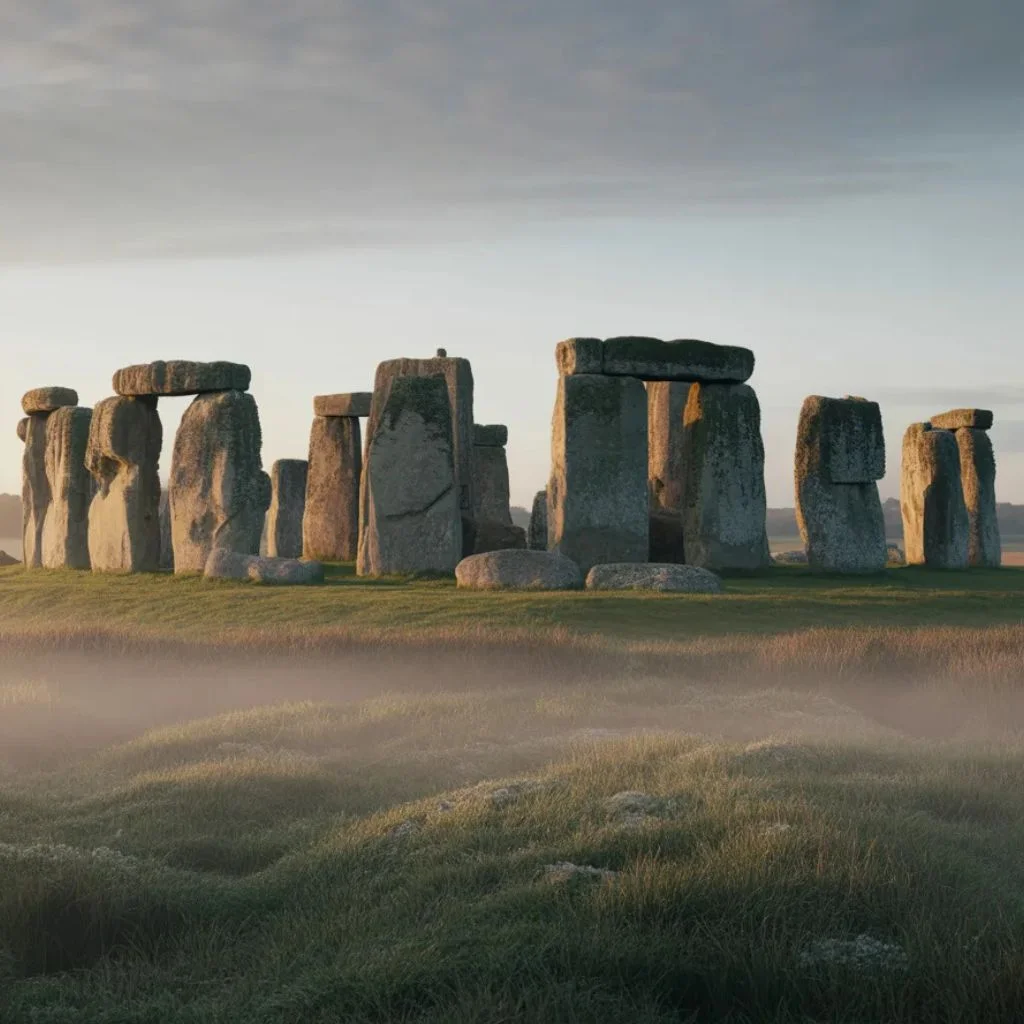
Stonehenge has always invited mystery. It looks ancient, isolated, and strangely perfect against the sky. So, it is no surprise that earlier generations filled the gaps in their knowledge with dramatic explanations. Some said Merlin built it by magic. Others believed Druids created it for rituals.
English Heritage says Stonehenge was built in several stages, with the earliest monument around 5,000 years ago and the famous stone circle erected around 2500 BC. The same organization also notes that medieval people linked the site to Merlin, while 17th-century antiquarians argued over whether Romans or Druids had built it. The modern problem is not that people love mystery.
The problem is that the old guesses still get repeated as if they are accepted fact. The best evidence points instead to ancient Britons in the Neolithic and early Bronze Age, not to magical builders or later Celtic Druids.
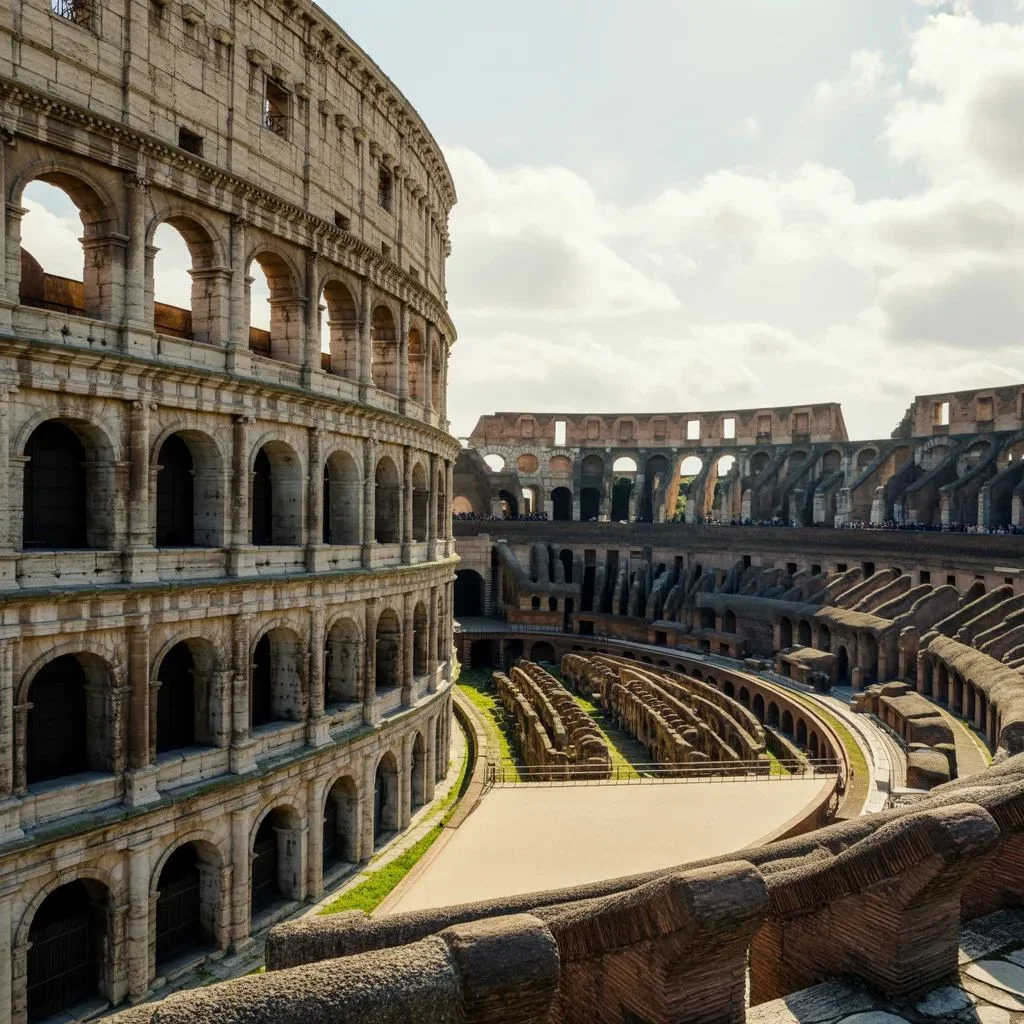
The Colosseum was definitely the main place where Christians were martyred
This is one of the most emotional myths tied to Rome. Many people grew up hearing that the Colosseum was the central stage for Christian martyrdoms, with lions, crowds, and public executions all blended into one fixed image. Popular culture has repeated that scene so often that it feels untouchable.
Britannica takes a more careful view. It says the Colosseum hosted gladiator contests, fights between people and animals, and other spectacles, but it is uncertain whether the arena was the site of the martyrdom of early Christians. That one word, uncertain, matters a lot. It does not say persecution never happened in Rome.
It says the common claim about this exact building is less certain than people think. When a dramatic story gets tied to a famous ruin, the two become hard to separate. That is why Myths About Various Historic Places often survive longer than the evidence behind them.
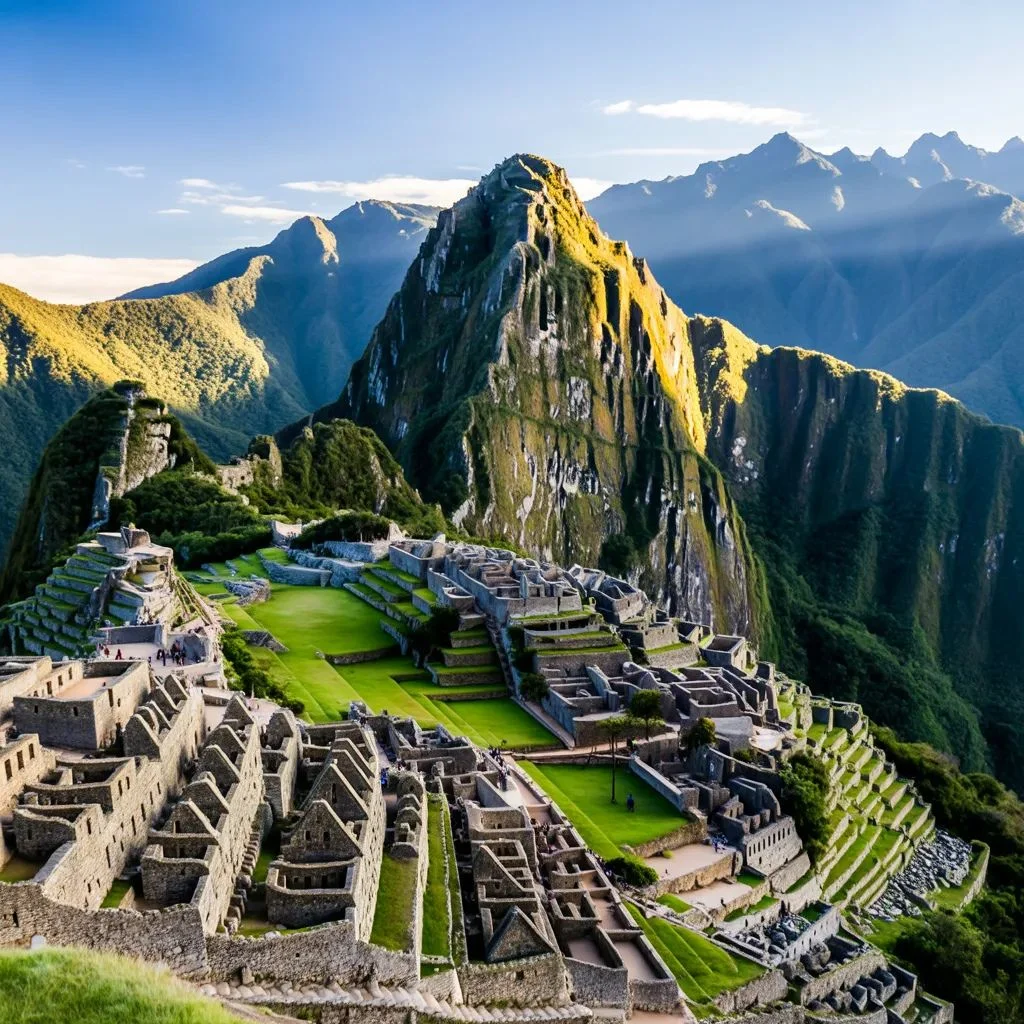
Machu Picchu was discovered by Hiram Bingham
Hiram Bingham is still widely introduced as the man who “discovered” Machu Picchu in 1911. That wording sounds clean and easy, but it leaves out a major part of the story. It suggests the place was completely unknown until an outsider arrived, which is not what the historical record shows.
UNESCO says Machu Picchu was made known to the outside world in 1911, and Smithsonian notes that Bingham’s status as the “discoverer” is disputed. In practical terms, that means he helped bring the site to wider international attention, but he was not the first human being to know it existed. Local people already knew the ruins and the surrounding landscape.
This matters because language shapes memory. Calling Bingham the sole discoverer gives him full ownership of a story that was already rooted in local knowledge. The site itself, perched high in the Andes and built in the fifteenth century, is extraordinary enough without pushing a simplified hero narrative.
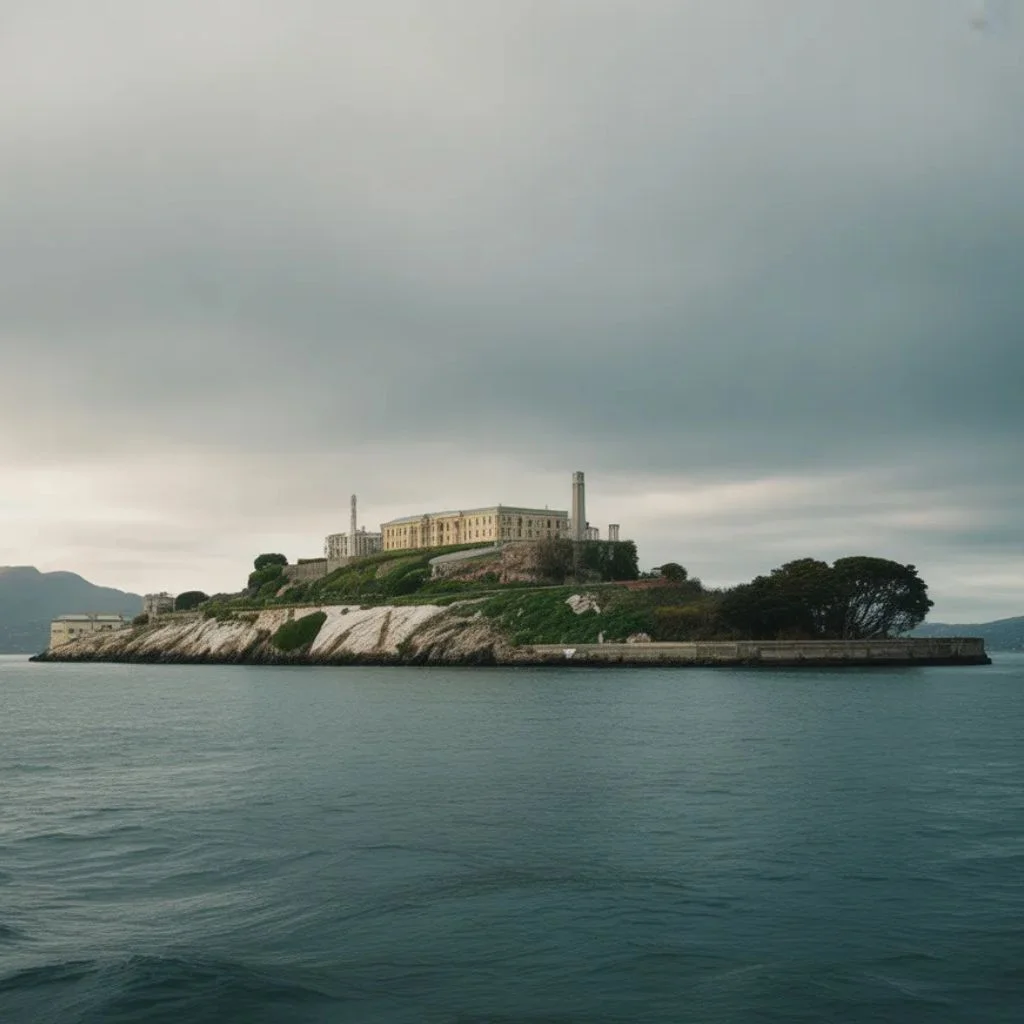
Nobody ever escaped from Alcatraz
Alcatraz has a reputation for being completely escape-proof. Cold water, strong currents, guard towers, strict routines, and the dark image of the prison all feed the idea that getting out was impossible. As a result, many people say with total confidence that no one ever escaped.
The FBI’s own history page tells a more careful story. It says 36 men tried 14 separate escapes between 1934 and 1963, and that nearly all were caught or did not survive. But it also says the fate of Frank Morris and brothers John and Clarence Anglin remains a mystery. That does not prove they made it to freedom. It does show that the neat statement “nobody ever escaped” is stronger than the official evidence allows. In other words, the myth sounds cleaner than the record. Real history often leaves loose ends, and Alcatraz is one of them.
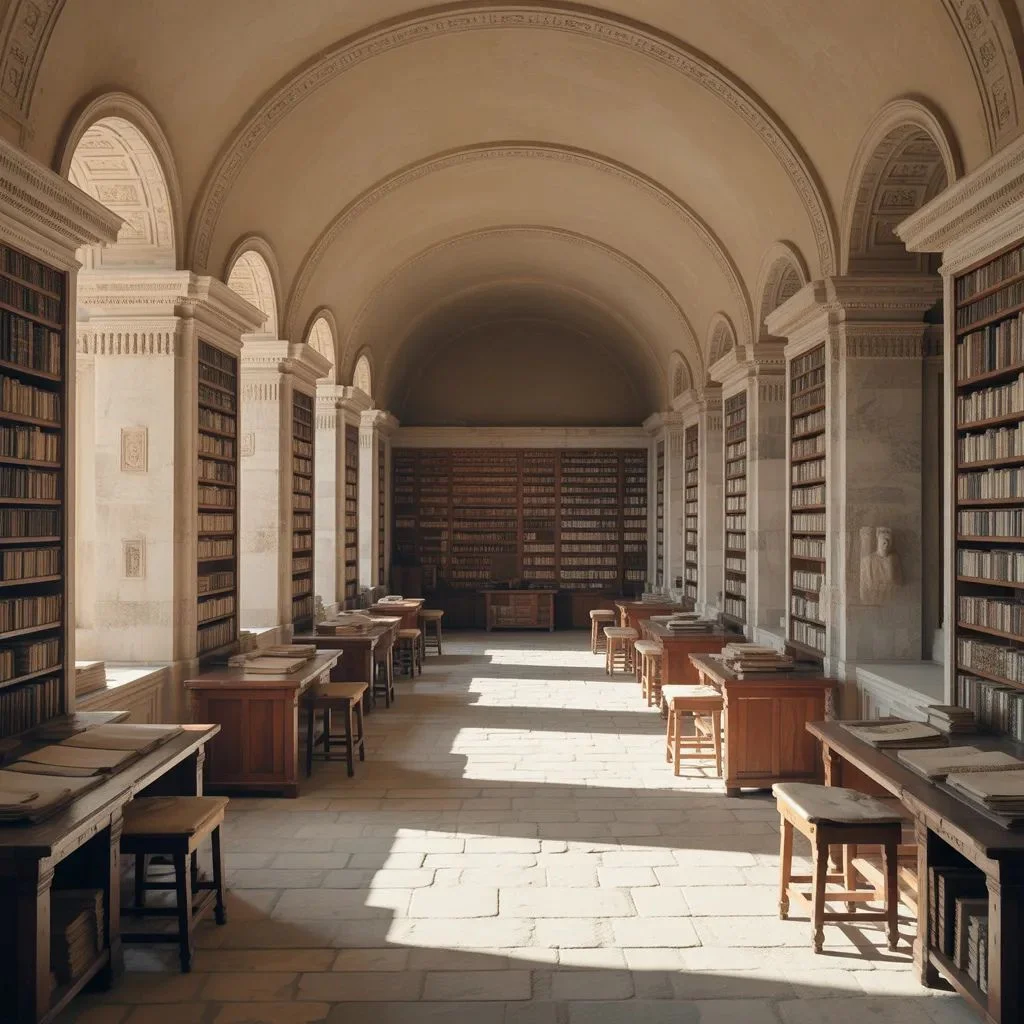
The Library of Alexandria was destroyed in one single fire
This story is everywhere: one terrible fire, one villain, one night, and all the knowledge of the ancient world gone at once. It is memorable because it turns a slow, messy historical question into a single tragic image. The problem is that historians do not have that kind of neat ending.
Britannica says there is growing agreement among serious scholars that the two Alexandrian libraries had already perished long before the Arab conquest, and that the destruction of the two libraries likely happened at different times. It also notes that the Royal Library was damaged in the context of Julius Caesar’s war in Egypt in 48 BCE. That means the famous one-fire version is too simple.
The loss of Alexandria’s learning tradition seems to have been a longer, more layered process. This is one of the strongest examples of Myths About Various Historic Places because people usually prefer one dramatic disaster over a complicated chain of decline, damage, and repeated loss.
Why these myths keep surviving
The reason these stories last is simple. Myths are tidy, and history is messy. “Visible from the moon” is easier to remember than a discussion about human eyesight and orbital conditions. “Built by slaves” is more cinematic than a careful explanation of labor systems and worker settlements. “Discovered by one explorer” fits a schoolbook headline better than a shared story involving local guides and long-standing local knowledge.
That is why reading deeper matters. When we challenge Myths About Various Historic Places, we do not make history boring. We make it fuller. The real stories give credit to builders, communities, witnesses, and researchers who are often erased by catchy legends. And once you start noticing this pattern, you see it everywhere: the oldest places in the world are not just full of ruins.
They are full of retellings, shortcuts, and borrowed drama. The truth usually has more texture than the myth. In the long run, that is what makes it worth keeping.
Highly Recommended: Exploring The Quieter Side Of Himachal Away From Tourist Rush.
FAQs about Myths About Various Historic Places
Why do myths about historic places spread so easily?
Because they are simple, dramatic, and easy to repeat. A short myth travels faster than a careful explanation. Movies, travel shows, school trivia, and social media keep recycling the same stories until they feel like fact.
Are all legends about historic places false?
No. Some legends contain a small piece of truth, while others grow from real events but get exaggerated over time. The key is to separate what is supported by evidence from what survives only because it sounds exciting.
Why does correcting these myths matter?
It matters because myths can erase the real people behind a place. They can hide local knowledge, flatten complex history, and turn serious evidence into entertainment. Correcting them gives a fairer picture of the past.