Rose Quartz Face Roller Tips and Mistakes You Should Avoid
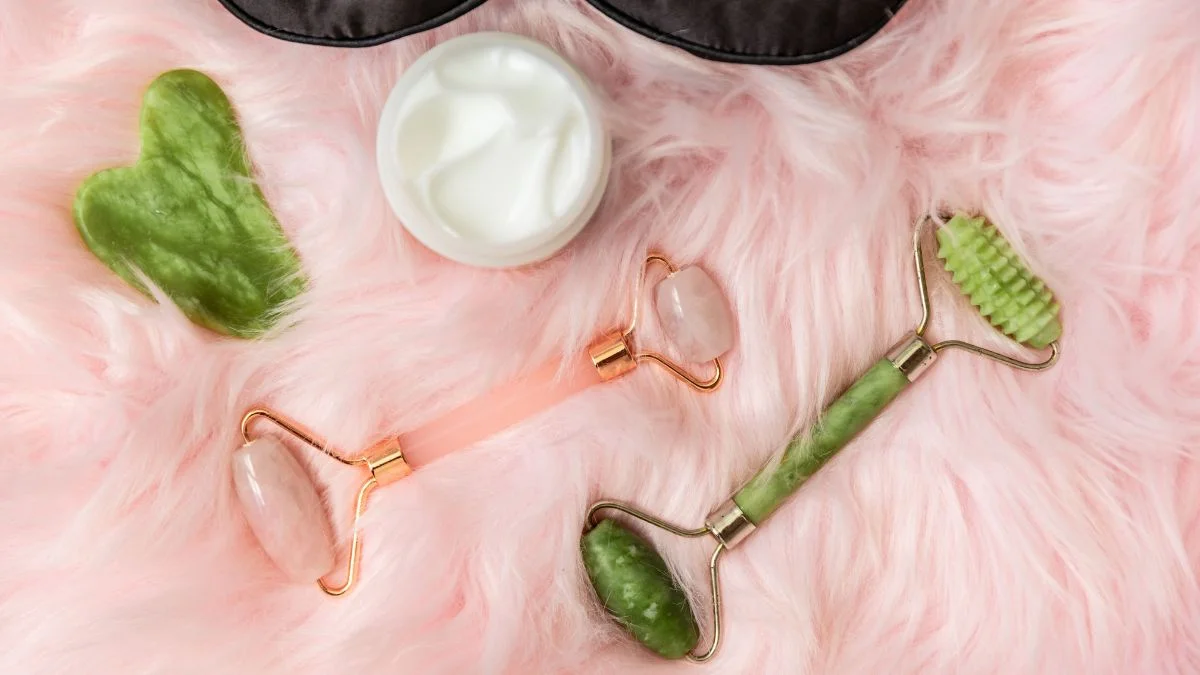
A face roller can be a nice extra step in your skincare routine, but it helps to know what it can actually do. A rose quartz roller may help your face look a little less puffy, feel cooler, and look more awake for a short time. What it does not do is give permanent lifting or dramatic long-term skin changes. The short-term benefit mostly comes from gentle massage, better surface blood flow, and the cooling feel of the stone. Cleveland Clinic also notes that the visible boost usually fades within a few hours.
That is why the best Rose Quartz Face Roller Tips are not about doing more. They are about doing it the right way. Clean skin, light pressure, the right direction, and a short session matter much more than rolling hard or doing it for too long. If you get those basics right, your roller can fit into your routine without irritating your skin.
What a face roller can really do
The best way to think about a face roller is this: it is a massage tool, not a miracle tool. Cleveland Clinic says face rolling may help with lymphatic flow, blood flow, puffiness, cooling, and relaxation. A small study in PubMed also found that a 5-minute facial roller massage increased facial skin blood flow for at least 10 minutes after use. That sounds promising, but it is still a small study, so it makes more sense to expect a fresh, temporary look rather than a major transformation.
This matters because many people buy a roller hoping it will erase wrinkles, sculpt the jaw overnight, or replace a full skincare routine. That is one of the biggest mistakes. If your skin looks smoother after rolling, that can be real, but it is usually a short-lived result. A face roller can support your routine, not replace cleanser, moisturizer, sunscreen, and products chosen for your skin type.
Start with clean skin and enough slip
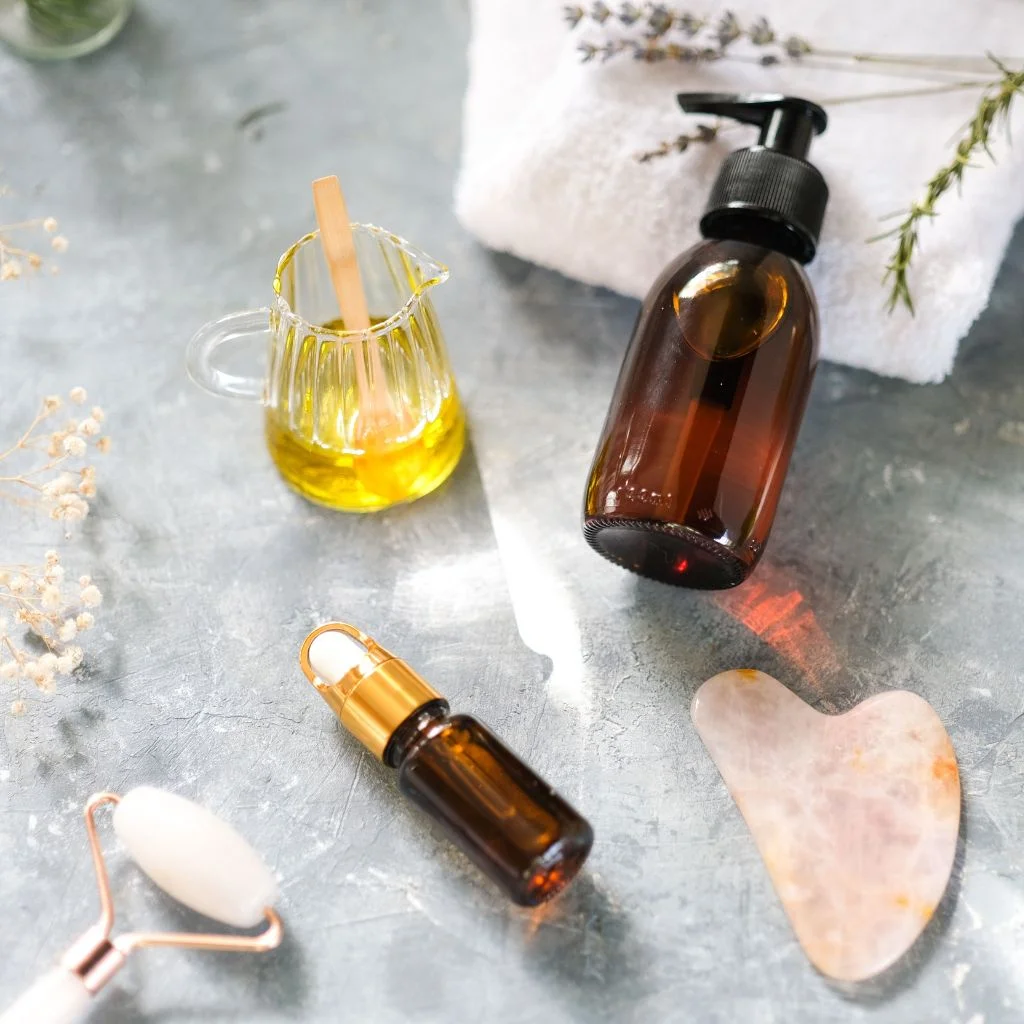
One of the smartest Rose Quartz Face Roller Tips is to never use the roller on dirty or dry skin. Cleveland Clinic recommends washing your face first and then using the roller with moisturizer, serum, or oil so it glides more evenly. That simple step helps reduce tugging and makes the massage feel smoother. If your skin is acne-prone, a non-comedogenic moisturizer is often a safer pick because it is made to be less likely to clog pores.
A lot of people make the mistake of grabbing the roller and using it on bare skin. That can create unnecessary friction, especially on the cheeks and under-eye area. A light hydrating serum or moisturizer is usually enough. You do not need a thick layer of oil unless your skin likes it. The goal is slip, not greasiness. If your skin already feels tight, dry, or stingy, skip the roller and calm your skin first. That is usually the better move.
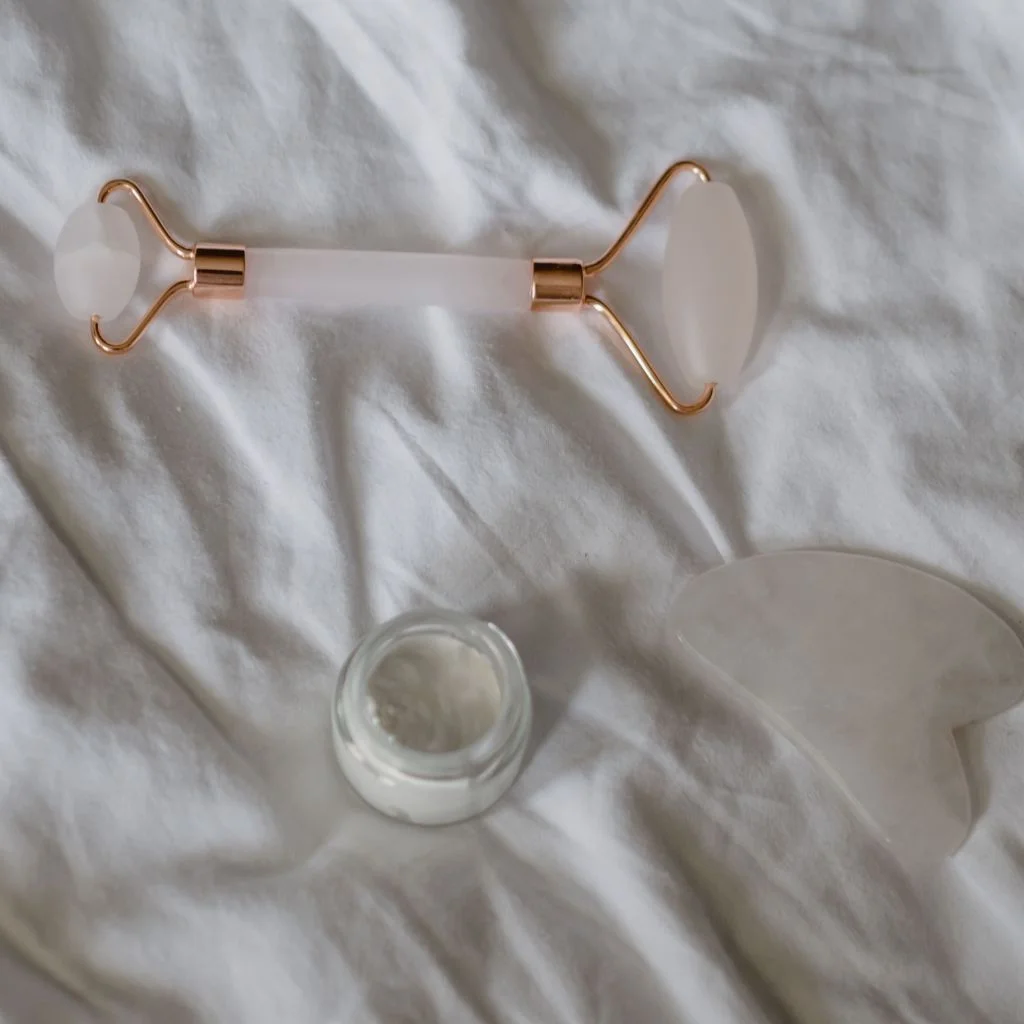
Roll out and away, not back and forth
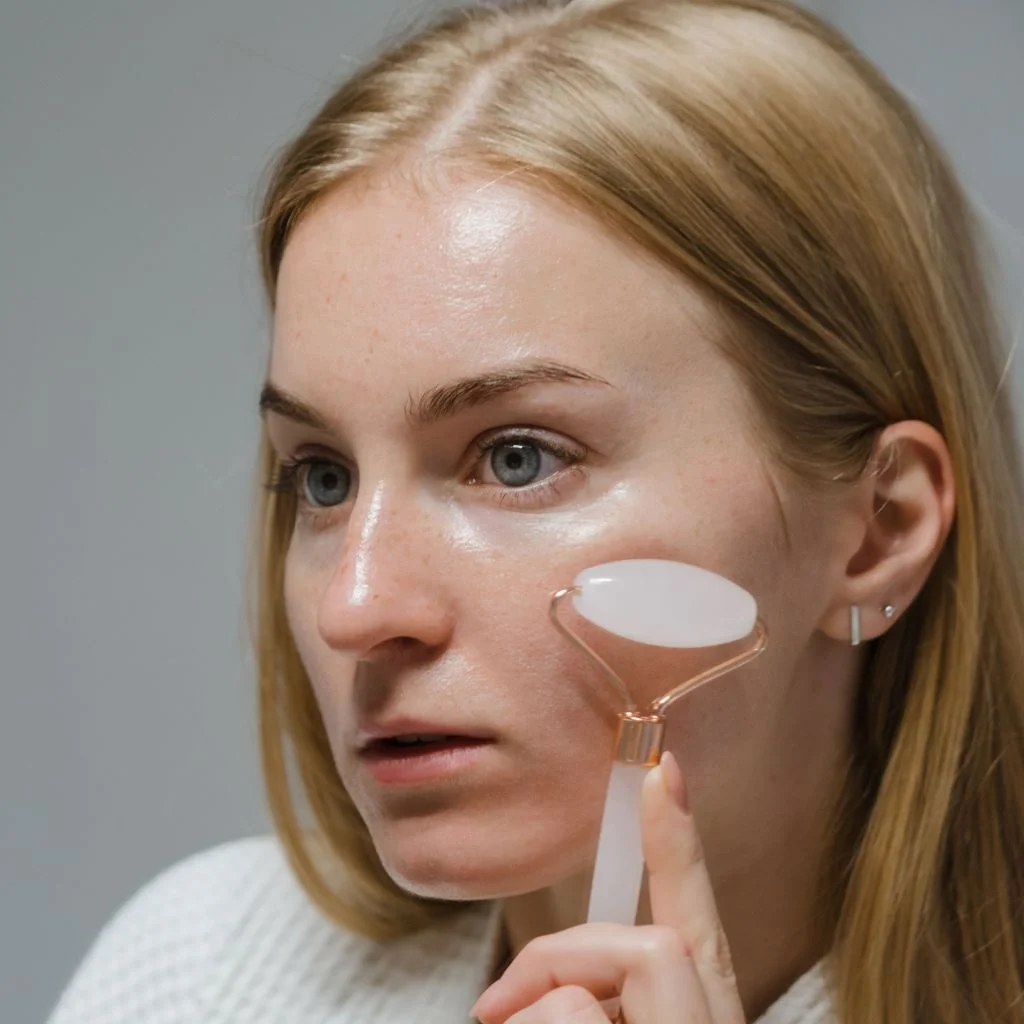
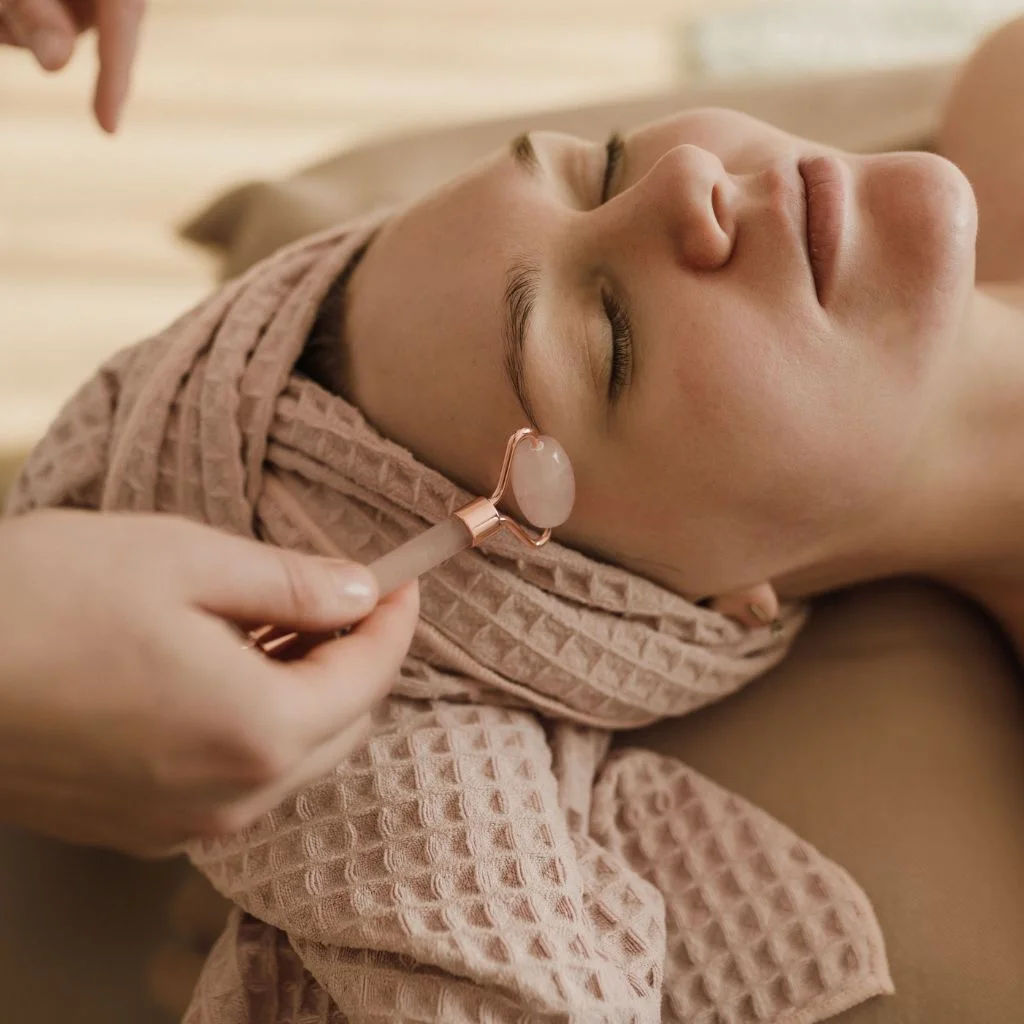
Technique is where most people go wrong. Cleveland Clinic recommends rolling outward from the center of the face and rolling away from the eye area to help with puffiness. It also says not to roll back and forth. That is important because quick back-and-forth movement can irritate the skin without giving extra benefit.
Think of each pass as slow and light. Start near the center of the face, then move outward across the cheeks. On the jawline, roll outward toward the ear area. On the under-eye area, be very gentle and roll away from the eye. On the forehead, move outward instead of scrubbing up and down. This is one of those Rose Quartz Face Roller Tips that sounds small but changes everything. Good rolling should feel calming. It should not feel rough, scratchy, or painful.

Keep it short and gentle
More is not better here. Cleveland Clinic says about 5 minutes daily or every other day is enough and using it longer will not create a different result. UPMC says facial rollers are safe for daily use and notes that many experts suggest using them three to five times a week for best results. In real life, a short, steady habit works better than long sessions that leave your face red.
Another helpful tip is cooling the roller. Cleveland Clinic suggests putting it in the fridge for that cold, soothing feel, and UPMC notes that a chilled roller may temporarily reduce puffiness because cold causes blood vessels to constrict. This can make a morning routine feel especially nice when your face looks swollen from sleep, heat, or a salty dinner the night before.
Mistakes that can ruin the whole routine
The first big mistake is poor cleaning. Cleveland Clinic says to clean the roller with rubbing alcohol after each use because skin bacteria and product residue can build up. UPMC also warns that poor cleaning can lead to irritation, infection, or worsened acne, and says to clean and dry the roller well before each use. A dirty beauty tool on your face is never a good idea.
The second mistake is using too much pressure. Rolling harder will not shape your face faster. Cleveland Clinic warns that people with more fragile skin can bruise if they roll too aggressively. Your skin should not look scratched or feel sore afterward. Light pressure is enough.
The third mistake is using a roller when your skin is already irritated. UPMC says not to use facial rollers if you have a breakout, rosacea, or sunburn. The American Academy of Dermatology also says you should never exfoliate if you have open cuts, wounds, or sunburned skin, and it warns that products like retinoids, retinol, and benzoyl peroxide can make skin more sensitive. Face rolling is not the same as exfoliating, but it is still mechanical contact, so if your skin feels raw, peeling, or easily irritated, skipping the roller that night is the safer choice.
A simple way to fit it into your routine
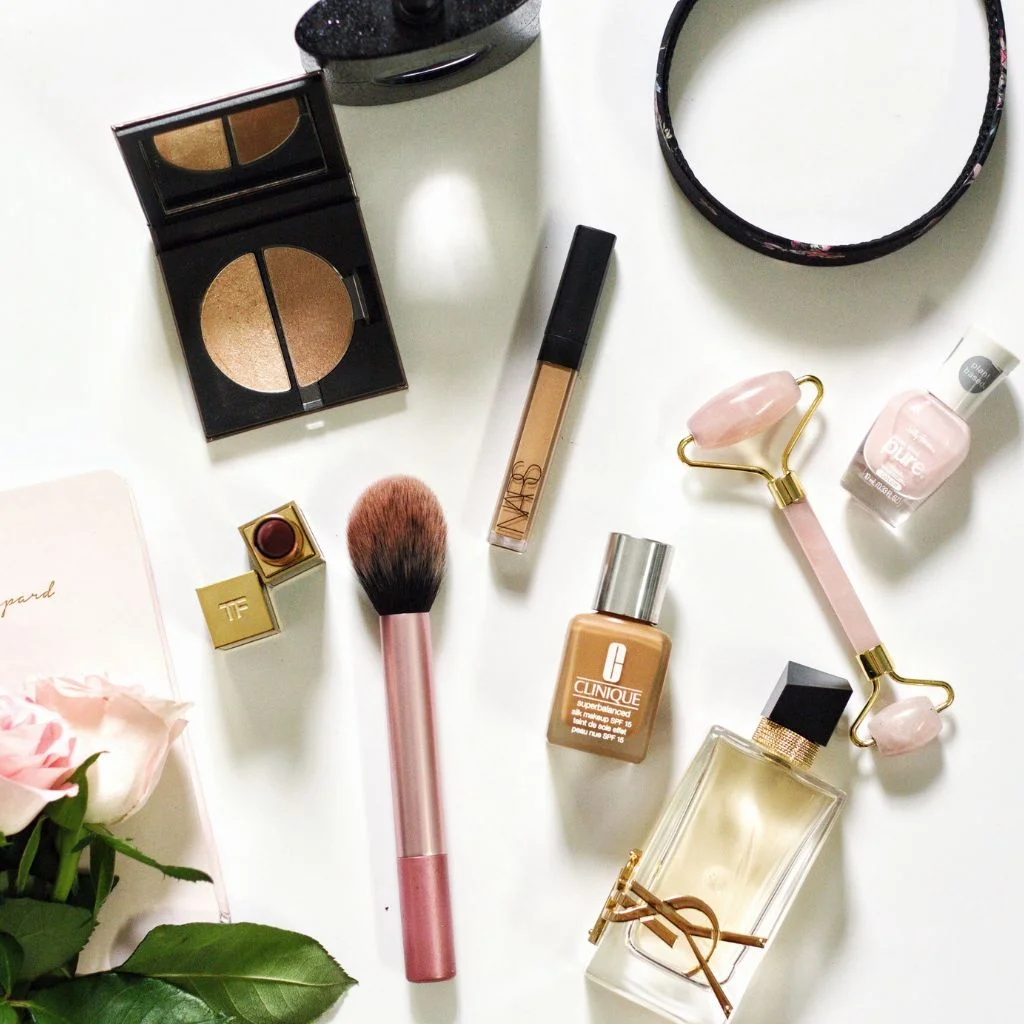
The easiest place to use a roller is in the morning. Wash your face, apply a hydrating serum or light moisturizer, roll gently for a few minutes, then finish with moisturizer if needed and sunscreen. The American Academy of Dermatology recommends broad-spectrum SPF 30 or higher for daily use when skin will be outside, so the roller should sit inside a routine that still protects your skin from the sun.
At night, keep it simple. Cleanse, apply a calming product, roll gently, and stop there. Do not turn it into a long routine with scrubs, strong acids, and aggressive massage all at once. Skin usually does better with a calm routine than a crowded one. That is one of the most useful Rose Quartz Face Roller Tips because it helps you avoid the common mistake of overdoing everything in one session.
Keep your roller routine realistic
The best result from a roller is often the simplest one: your face looks a bit fresher, feels relaxed, and your skincare moment feels more enjoyable. That is enough. You do not need to chase dramatic claims to get value from it. Use your roller on clean skin, keep it chilled if you like that feel, roll outward with light pressure, clean it well, and stop if your skin looks irritated.
When you keep your expectations realistic, Rose Quartz Face Roller Tips become much easier to follow. A face roller works best as a gentle extra, not the center of your skincare routine. Good basics will always matter more: cleanser that suits your skin, enough moisture, and daily sun protection. The roller is just the small step that can make the routine feel better.
Also Read About Are Facial Good For Skin Benefits Risks And Expert Tips.
FAQs
Can I keep my rose quartz roller in the fridge?
Yes. Cleveland Clinic suggests storing it in the fridge if you want a cooling effect, and UPMC says a chilled roller may help temporarily reduce puffiness.
How often should I use it?
A short session is enough. Cleveland Clinic suggests about 5 minutes daily or every other day, while UPMC notes that many experts recommend three to five times a week.
Can a face roller replace professional treatments?
No. The visible effects are usually temporary, and Cleveland Clinic says the improvement often fades within hours. A small study showed increased blood flow after massage, but that is not the same as proven long-term lifting or wrinkle removal.