
Benefits of a Skin Care Routine And Why It Is Worth The Effort
A lot of people think skin care is only about looking fresh in photos or getting that “glow.” But the real story is bigger than that. Your skin is your body’s outer shield. It deals with sun, sweat, dust, dry air, shaving, makeup, and pollution almost every day. A steady routine helps your skin handle all of that with less stress. The Benefits of a Skin Care Routine are not only cosmetic. A simple routine can support your skin barrier, help reduce dryness, lower irritation, and protect your skin from long-term sun damage.
The good news is that a useful routine does not need ten products or a fancy shelf. For most people, the basics are enough: a gentle cleanser, a moisturizer, and daily sunscreen. The American Academy of Dermatology and Mayo Clinic both point to these simple habits as the foundation of healthy skin care, especially sun protection and gentle cleansing. That is why the Benefits of a Skin Care Routine often show up slowly but clearly over time: calmer skin, fewer rough patches, and better comfort day to day.
Your skin deals with more than you notice every day
Most skin damage does not happen in one dramatic moment. It builds up quietly. A few minutes in the sun here, a skipped cleanse there, a little extra dryness in air conditioning, and then one day your skin starts to feel rough, dull, or irritated. Mayo Clinic notes that a lifetime of sun exposure can lead to wrinkles, age spots, other skin problems, and a higher risk of skin cancer. The AAD also recommends daily broad-spectrum sunscreen with SPF 30 or higher because sunscreen helps slow visible skin aging and helps prevent skin cancer.
This is where daily habits matter more than occasional “rescue” products. When you cleanse gently, moisturize, and protect your skin from the sun, you are not just reacting to problems after they appear. You are reducing the pressure your skin faces each day. That is one of the biggest Benefits of a Skin Care Routine: prevention. It is a bit like brushing your teeth. You do not wait for major trouble before you start caring. You keep up small habits so bigger problems are less likely to show up later.

A steady routine helps your skin barrier stay strong
The skin barrier is the part of your skin that helps hold water in and keeps outside irritants from getting in too easily. When that barrier is weak, skin can feel tight, flaky, itchy, stinging, or easily upset by products and weather. Medical references from NCBI explain that moisturizers are designed to increase the skin’s water content and restore its natural protective barrier. They work by helping reduce water loss and improving hydration.
In real life, this matters a lot. Think about someone who washes their face with a harsh soap, uses hot water, and skips moisturizer. Their skin may feel “super clean” for ten minutes, but later it often feels dry or irritated. A better approach is much simpler: use a mild cleanser, rinse with lukewarm water, and apply moisturizer while the skin is still slightly damp. The AAD says moisturizer plays a key role in healing dry skin, and Mayo Clinic also advises applying it after bathing or washing while skin is still moist. That is one of the quieter Benefits of a Skin Care Routine: your skin starts feeling comfortable again, not just looking better.
Consistency can mean fewer breakouts and less irritation
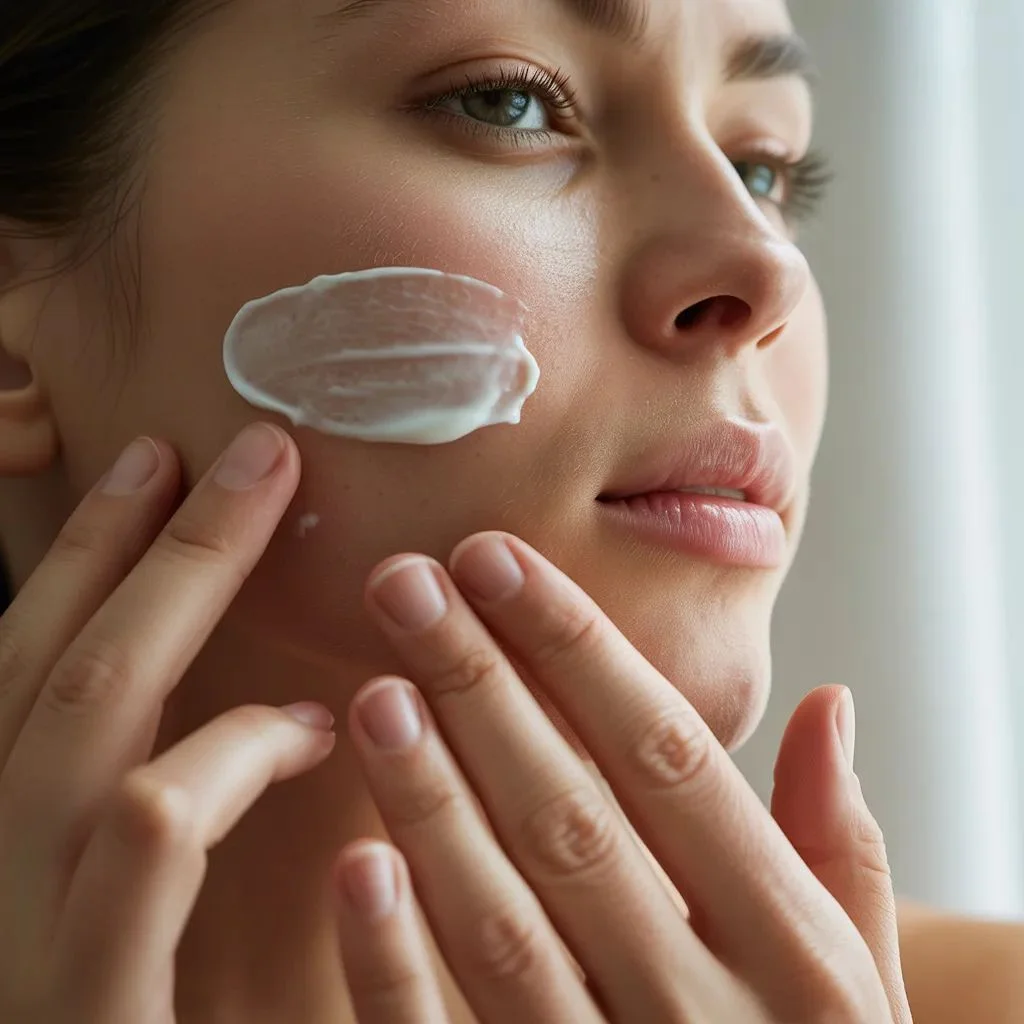
Many people jump from one product to another when they get acne, bumps, or redness. The problem is that skin usually likes consistency more than chaos. Gentle cleansing matters because scrubbing and over-washing can irritate the skin. The AAD recommends washing the face with fingertips, avoiding scrubbing, and limiting face washing to twice a day and after heavy sweating. Perspiration can irritate the skin, especially under hats or helmets, so washing after sweating can help.
Product choice matters too. The AAD advises people with acne-prone skin to look for cleansers and moisturizers labelled oil-free or non-comedogenic, since they are less likely to clog pores. People with sensitive skin are advised to choose mild, fragrance-free products because fragrances can leave skin irritated and dry. Mayo Clinic also notes that for acne-prone skin, regular use of a non-oily moisturizer with sunscreen can help and sweat and oil can contribute to breakouts after strenuous activity. These are practical examples of the Benefits of a Skin Care Routine: fewer triggers, less guesswork, and a better chance for skin to settle down.

Small daily steps can save you money and stress later
A lot of people skip skin care because they think it will take too much time or cost too much. But a basic routine is often cheaper than constantly buying random products that promise fast results. When your routine is steady, you are more likely to notice what actually works for your skin and what does not. You stop chasing every trend and start building habits that support your skin in a simple, repeatable way. Basic care like cleanser, moisturizer, and sunscreen is also described in clinical literature as cost-effective support for skin barrier health.
There is also less emotional stress. Anyone who has dealt with surprise breakouts, dry patches before an event, or stinging after a new product knows how frustrating skin problems can feel. A good routine will not make skin perfect, but it can make it more predictable. That alone matters. One of the overlooked Benefits of a Skin Care Routine is confidence. When your skin feels balanced, you spend less time worrying about covering it up and more time just getting on with your day. And if acne does not improve after two to three months of a routine with nonprescription products, Mayo Clinic recommends seeing a dermatologist rather than endlessly experimenting.

What a simple daily routine can look like
Morning can stay very basic. Start with a gentle cleanser if your skin needs it or just rinse if your skin is dry and does better with less washing. Then use a moisturizer that suits your skin type. Finish with a broad-spectrum sunscreen of at least SPF 30. According to the AAD and Mayo Clinic, daily sunscreen is one of the most important steps because it helps protect against visible aging and lowers skin cancer risk. For acne-prone skin, pick non-comedogenic products. For sensitive skin, pick fragrance-free ones.
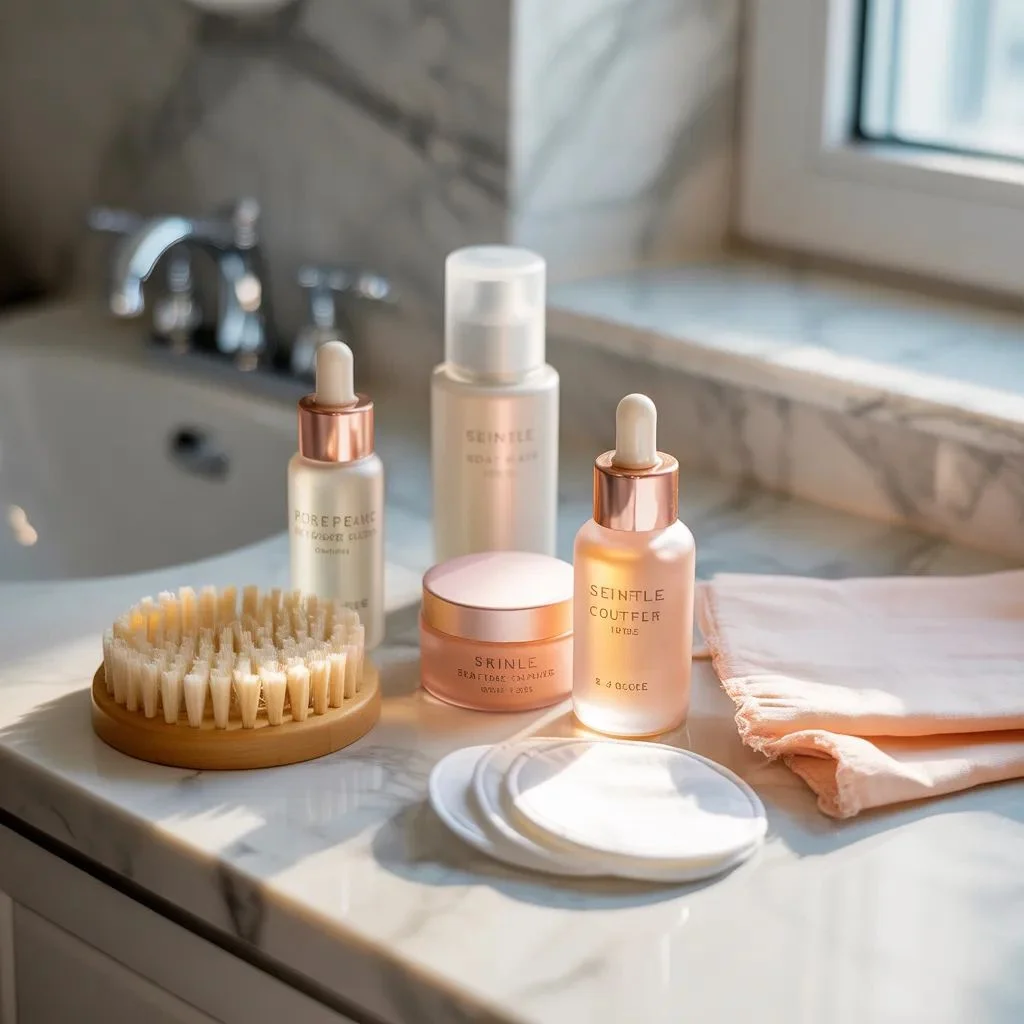
At night, wash away sunscreen, sweat, dirt, and makeup with a mild cleanser. Then moisturize again. That is enough for many people. You can always add other products later if there is a clear reason, but the basics come first. This is where the Benefits of a Skin Care Routine become realistic instead of overwhelming. You do not need a complicated shelf. You need a routine you will follow. Simple routines often win because they are easier to keep going, and consistency is what gives skin the chance to improve over time.

Common mistakes that make a routine less helpful
One common mistake is using harsh products because they make skin feel “extra clean.” Harsh soaps, hot water, and rough scrubbing can strip natural oils and irritate the skin. Mayo Clinic advises gentle cleansers without dyes, alcohols, or fragrances for sensitive or eczema-prone skin, and the AAD warns that scrubbing irritates the skin. Another mistake is skipping moisturizer because of oily skin. Many acne-prone people still need hydration; they just need a lighter, non-oily formula.
Another big mistake is treating sunscreen like an optional summer product. Sun exposure adds up through normal daily life, not only at the beach. Mayo Clinic recommends reapplying sunscreen every two hours when outdoors and more often if you swim or sweat, while the NHS also advises regular reapplication. So, when people ask whether skin care is “really necessary,” the answer is yes, especially if you want to protect your skin from damage that builds up quietly. The Benefits of a Skin Care Routine are often easy to miss in one day, but hard to ignore after months of steady care.
Healthy skin usually starts with boring basics
The truth is daily skin care matters because your skin notices what you do repeatedly. Gentle cleansing, regular moisturizing, and daily sun protection may sound basic, but they are the habits most strongly backed by dermatology guidance. They help support the skin barrier, improve comfort, reduce irritation, and protect against long-term sun damage. That is why the Benefits of a Skin Care Routine go deeper than appearance. They are about keeping your skin stronger, calmer, and better prepared for everyday life.
So, if you have been waiting for the “perfect” time to start, this is a good place: keep it simple and keep it steady. A gentle cleanser, a moisturizer, and sunscreen can do more for your skin than a pile of random trend products. And once the routine becomes part of your day, it stops feeling like extra work. It starts feeling normal, like a small act of care that pays you back little by little.
Editors Pick: 5-Step Morning Ritual for Glowing Skin Every Day.
FAQs
How long does it take to see results from a skin care routine?
Some people notice better comfort and less dryness within days, especially after using moisturizer regularly. For acne or texture changes, it often takes several weeks, and Mayo Clinic suggests seeing a dermatologist if acne does not improve after two to three months of a routine with nonprescription products.
Is a three-step routine enough?
Yes, for many people a cleanser, moisturizer, and sunscreen are enough to build a strong base. Dermatology guidance commonly centers on these basics, especially gentle cleansing and daily sun protection.
Do oily skin types still need moisturizer?
Yes. Moisturizer helps support hydration and the skin barrier. People with oily or acne-prone skin should usually choose lighter, non-comedogenic options instead of skipping moisturizer completely.
Do I need sunscreen indoors?
Daily sunscreen is still useful because sun exposure adds up over time, and dermatology guidance recommends broad-spectrum SPF 30 or higher as a daily habit before going outdoors. People near windows or who spend time outside during the day benefit most from staying consistent.