Classic Old Money Styles That Never Go Out of Fashion
Classic Old Money Styles are not about showing off. They are about looking polished, calm, and put together without trying too hard. The reason this look stays popular is simple. It is built on timeless wardrobe pieces like white shirts, blazers, tailored trousers, loafers, knitwear, trench coats, and understated shoes instead of loud trends. Fashion sources still describe the look in almost the same way today: neutral colors, clean lines, high-quality fabrics, strong tailoring, and a less-is-more attitude.
What makes this style so powerful is that it works at almost any age and for almost any setting. A navy blazer, a cream sweater, straight trousers, and leather loafers can look just as right at brunch as they do at work or dinner. Even as trend cycles keep changing, editors still place classic wardrobe basics at the center of a lasting closet.
Why This Look Always Feels Elegant
The biggest reason Classic Old Money Styles last is that they are built on restraint. Instead of chasing what is loud or viral, this style focuses on what looks refined year after year. Recent fashion coverage still points to the same wardrobe language: crisp shirts, polished black blazers, tailored trousers, crewneck sweaters, and sleek shoes. That consistency tells you something important. These pieces survive trends because they are useful, flattering, and easy to combine.
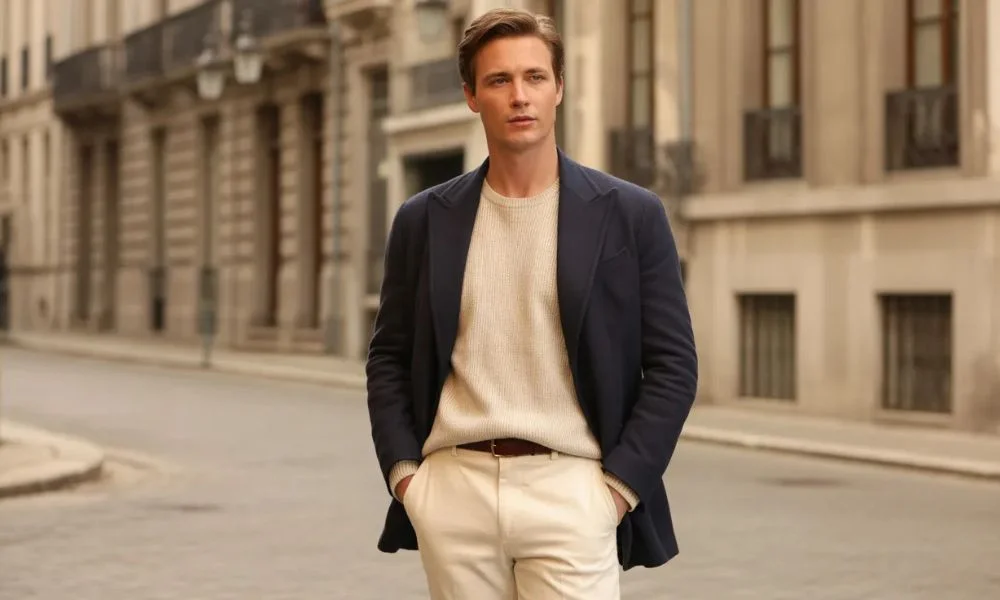
There is also a confidence in simplicity. Think of an outfit with cream trousers, a striped knit, a leather belt, and loafers. Nothing in it screams for attention, but the whole outfit feels expensive because everything works together. That is the real secret. The clothes are not fighting each other.
Another reason this look stays strong is that quality shows. A well-cut blazer hangs better. A wool coat keeps its shape. A cotton shirt looks sharper than a thin synthetic one. Fashion editors and stylists still tie the old money look to premium materials, clean structure, and timeless tailoring.
The wardrobe pieces that define the style
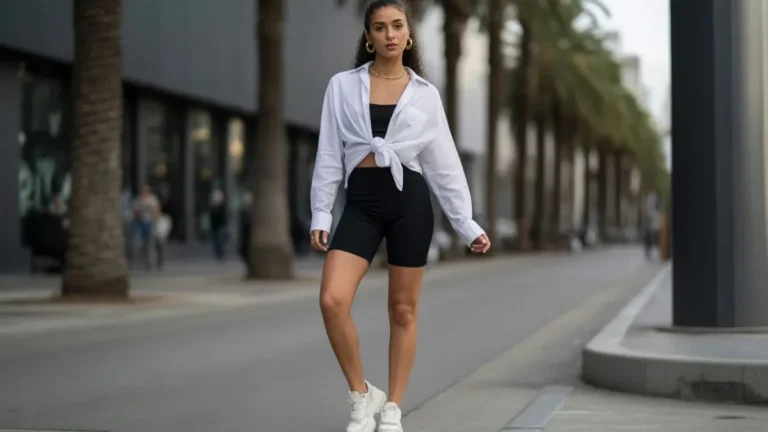
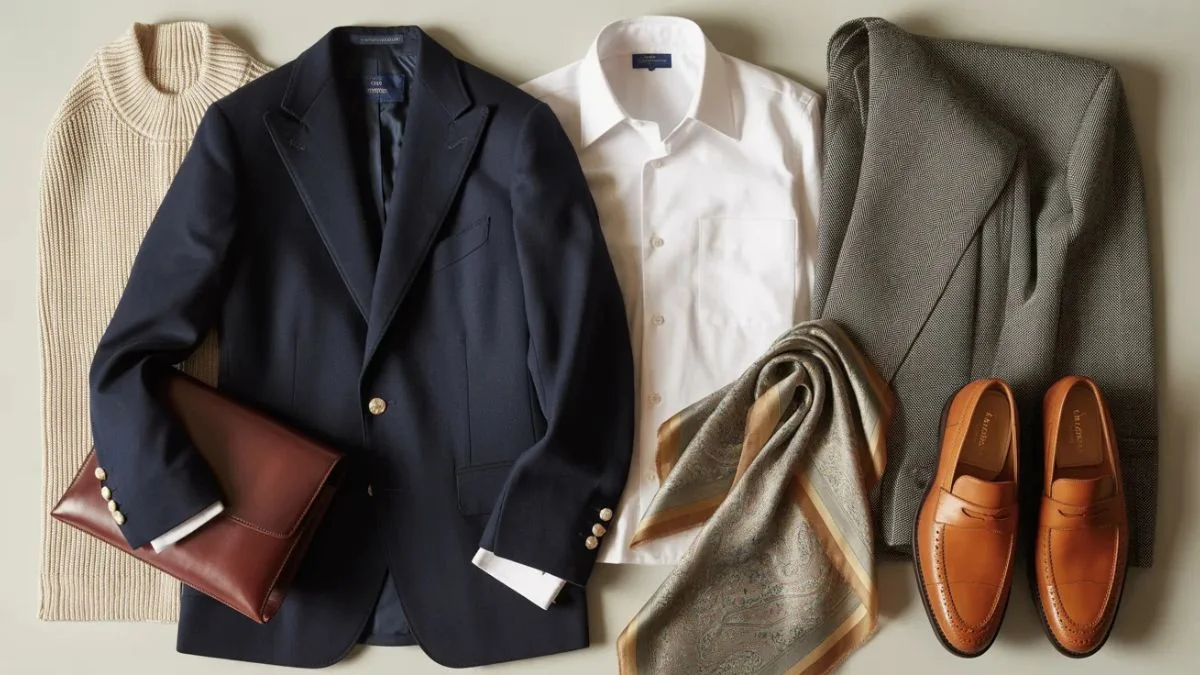
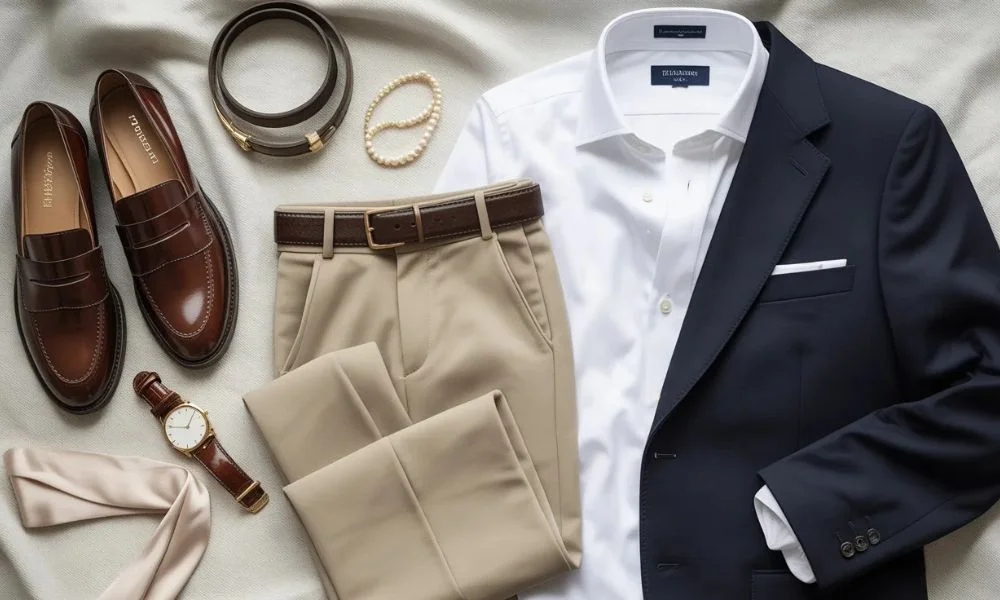
At the heart of Classic Old Money Styles is a small group of essentials that always look right. Start with a crisp white shirt. It works with jeans, trousers, skirts, shorts, and knitwear. Then add a navy or black blazer. Editors still treat blazers as a timeless staple, and they remain one of the easiest ways to make an outfit look sharper.
Next come tailored trousers. Choose straight-leg, pleated, or softly wide-leg cuts that skim the body instead of clinging. Then build around knitwear: crewneck sweaters, fine cardigans, cable knits, and lightweight cashmere-style layers. A trench coat or long wool coat also belongs in this closet because outerwear shapes the full look before anyone even sees the rest of the outfit.
Shoes matter just as much. Loafers, riding-style boots, ballet flats, simple pumps, and clean leather sneakers all fit the mood when they are classic and low-key. In many current style guides, loafers and understated heels still show up as key items for this aesthetic.
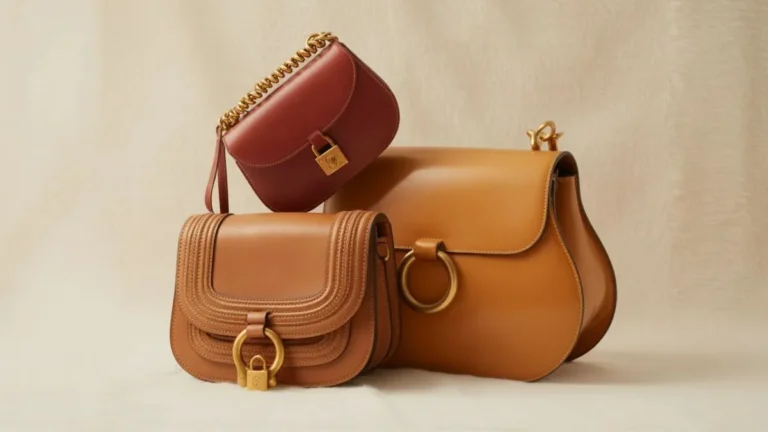
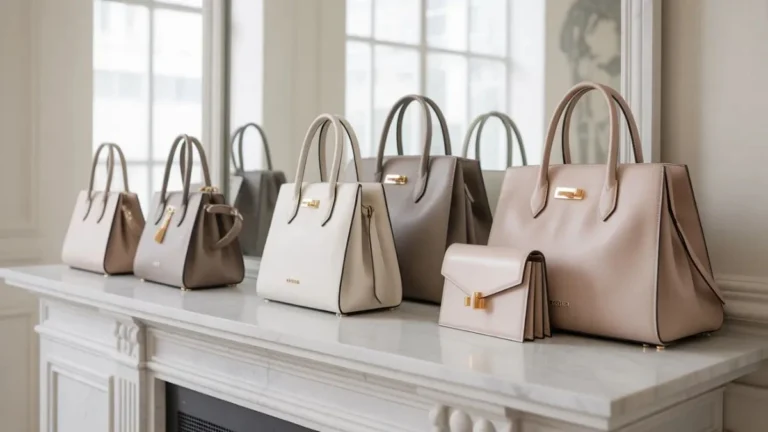
Accessories should stay quiet. Think leather belts, structured handbags, silk scarves, pearl studs, a classic watch, and dark sunglasses. Avoid giant logos and flashy hardware. The goal is for the full outfit to look expensive because of harmony, not because one item is shouting.
This is the foundation of Classic Old Money Styles: basics done very well.
Colours And Fabrics That Make The Outfit Look Rich
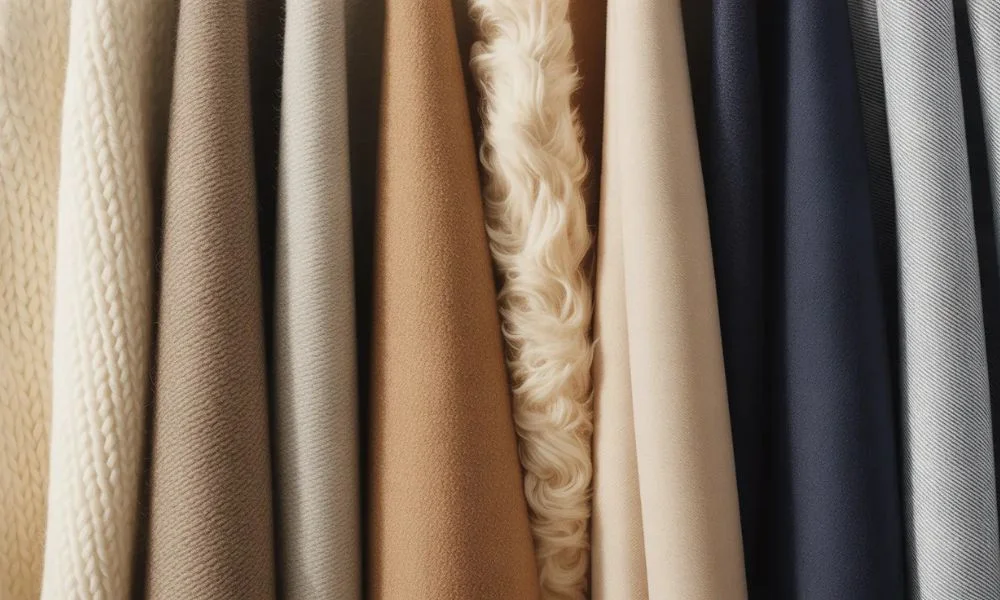
One fast way to understand Classic Old Money Styles is to look at the color palette. It usually stays close to white, cream, beige, camel, navy, gray, black, olive, and soft brown. These shades mix easily and create that calm, settled appearance people often call quiet luxury. Recent old-money style coverage still centers neutrals for exactly this reason.
A simple trick is to keep most of your outfit in two or three connected shades. For example, a cream sweater with beige trousers and brown loafers looks more refined than an outfit with six competing colors. Navy and white also work beautifully. So do black and camel.
Fabric choice is just as important as color. Wool, cotton, cashmere, silk, linen, tweed, and suede tend to look richer because they hold shape and texture better than cheap, shiny fabrics. Current style advice on old money dressing keeps pointing back to premium materials like wool, cashmere, and suede.
This does not mean every item must be costly. It means you should pay attention to finish and feel. A thick cotton shirt looks better than a limp one. A lined blazer looks more polished than an unstructured thin jacket. A matte leather shoe usually looks more classic than a heavily decorated one.
That is where Classic Old Money Styles win. The outfit feels rich because the materials feel stable, smooth, and lasting.
How To Style Old Money Outfits In Everyday Life
Many people think this style only works for formal settings, but that is not true. Classic Old Money Styles are easiest to wear in normal daily life because the pieces are so practical. For work, try a white shirt, tailored trousers, loafers, and a blazer. For weekends, swap the shirt for a striped knit or polo and keep the same trousers. For dinner, add a long coat, small earrings, and a sleek bag.
A good rule is to keep the silhouette neat. Tuck in your shirt. Steam your clothes. Make sure trousers hit at the right length. Keep shoes clean. The style falls apart when the fit is sloppy, even if the items are expensive. In current guides, fit and tailoring are still treated as the backbone of the look.
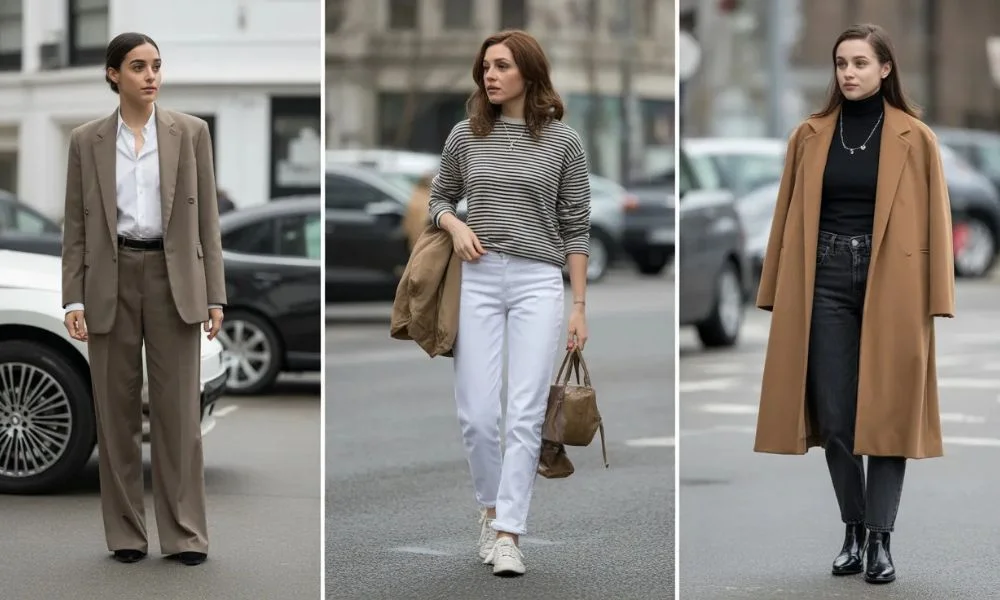
Here are a few easy formulas:
• Cream knit + navy trousers + brown loafers
• White shirt + beige chinos + blazer + watch
• Black turtleneck + camel coat + straight trousers
• Striped sweater + white jeans + ballet flats
• Blue oxford shirt + dark jeans + leather belt + loafers
Notice how none of these outfits are complicated. That is exactly why they work. Classic Old Money Styles are more about editing than adding. When in doubt, remove one extra thing.
How To Get The Look Without Wasting Money
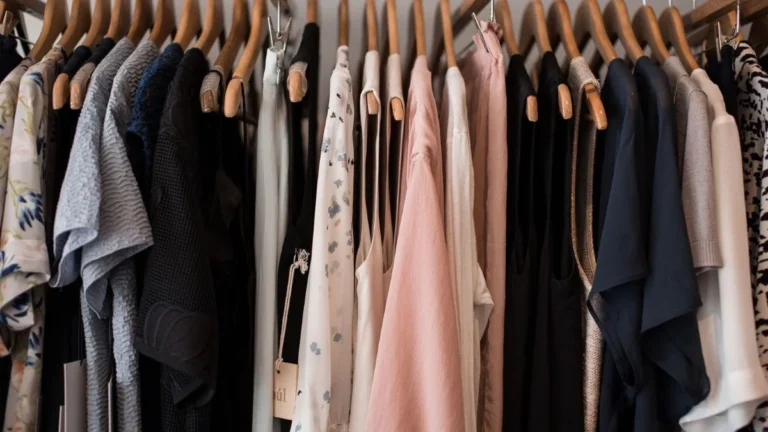
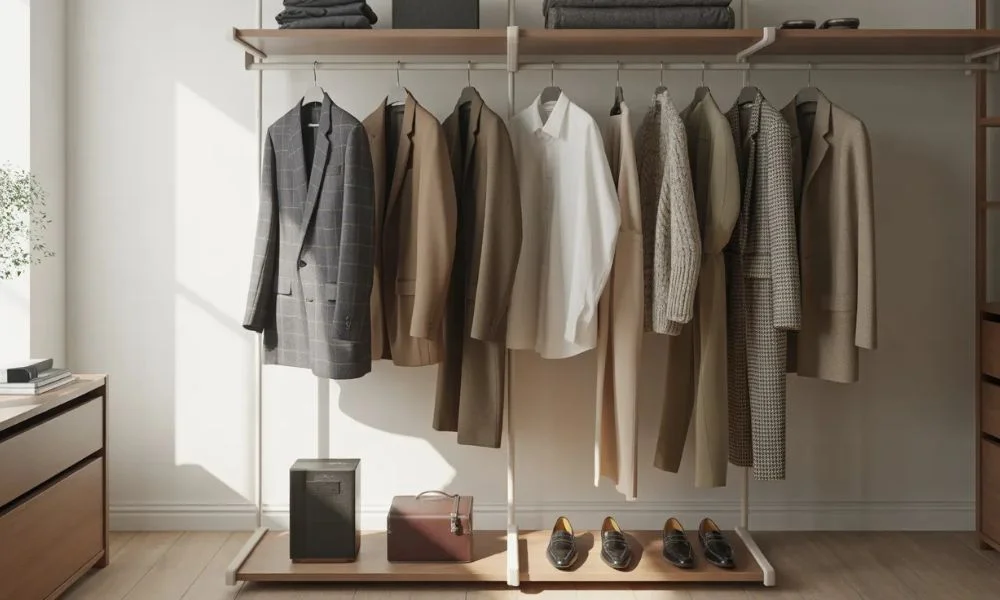
The smartest way to build Classic Old Money Styles is slowly. Start with the pieces you will wear the most: blazer, white shirt, tailored trousers, neutral knitwear, and loafers. After that, add outerwear and accessories. This kind of wardrobe building matches the capsule approach many editors still recommend for long-term style.
Do not shop by trend. Shop by repetition. Before buying anything, ask yourself, “Can I wear this at least ten different ways?” If the answer is no, leave it. A simple navy blazer will do more for you than a dramatic trendy jacket.
Thrifting can help a lot here. Vintage wool coats, loafers, silk scarves, and structured blazers are often easier to find secondhand than trendy pieces. Tailoring also matters. Even a budget item can look polished when sleeves, waist, and trouser length are adjusted properly.
Most of all, focus on grooming and presentation. Clean nails, neat hair, simple makeup, and polished shoes do a lot of the work. That is the part people forget. Classic Old Money Styles are not just about clothes. They are about overall discipline and ease.
So, the lasting lesson is this: buy less, choose better, fit it well, and wear it with calm confidence. That is how this style keeps looking fresh, even when fashion changes around it.
A Timeless Way To Dress With Confidence
Trends come and go, but Classic Old Money Styles stay relevant because they are rooted in balance, quality, and taste. They do not rely on loud branding or fast-changing fashion moments. They rely on fit, fabric, neutral colors, and simple combinations that always look pulled together. Current fashion coverage still supports this same formula, which is why the look remains so strong today.
The best part is that anyone can use these ideas. You do not need inherited wealth. You need good basics, patience, and a clear eye for what lasts. Once you build that foundation, getting dressed becomes easier, and your wardrobe starts working harder for you.
That is the quiet power of Classic Old Money Styles. They never go out of fashion because they were never built for one season in the first place.
Highly Recommended: Fast Fashion vs. Investment Pieces: Why It’s Better to Invest in Quality.