Travel Essentials for the Modern Traveller Who Prefers Less
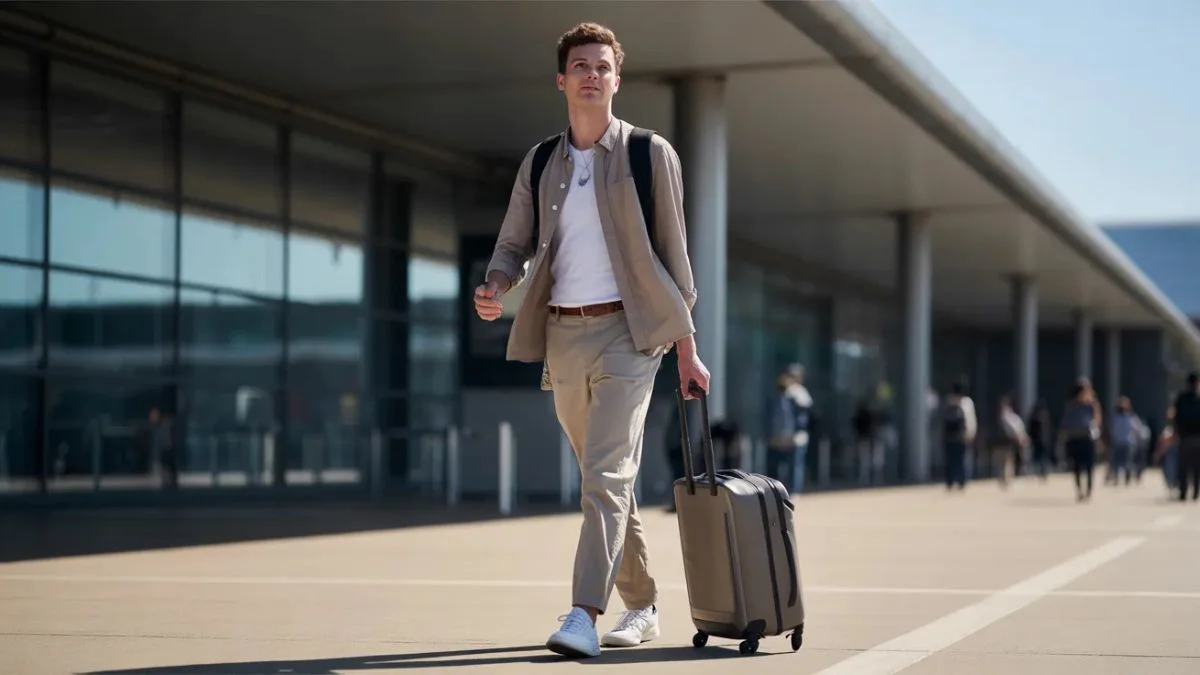
Travel is better when your bag feels light and your mind feels clear. That is why Travel Essentials matter so much for the modern minimalist. Instead of packing for every possible situation, smart traveller’s carry a small set of useful things that work hard, look good, and save space.
Minimalist travel is not about going without. It is about choosing better. A well-made backpack, one versatile outfit layer, a compact charger, and a few personal care items can often do more than a heavy suitcase full of “just in case” items. This style of travel also makes airports easier, hotel check-ins faster, and daily movement more relaxed. Research-backed travel rules support this approach too. TSA still limits carry-on liquids to containers of 3.4 ounces or 100 milliliters inside one quart-size bag, and the FAA says spare lithium batteries and power banks should stay in carry-on baggage, not checked luggage.
I once saw two travellers at an airport security line. One was opening three bags, digging for chargers and toiletries. The other placed one clean pouch and one backpack on the belt and walked through in minutes. That is the real beauty of Travel Essentials. They reduce stress, save time, and keep your style sharp without carrying your whole home on your back.
Why Travel Essentials Matter More Than Ever
Modern travel has changed. Airline rules, security checks, digital work, and fast-moving itineraries all reward lighter packing. When you travel with fewer things, you spend less time managing your luggage and more time enjoying the trip. You can move through stations, airports, taxis, and hotel lobbies with less effort. That matters whether you are taking a weekend city break or a longer work trip.
There is also a practical side. Official guidance from the U.S. State Department’s international checklist says traveller’s should carry key documents, medications, and destination-specific entry requirements before departure. The CDC also recommends packing smart with health basics such as medicines, hand sanitizer, sun protection, and any personal care items that may be hard to find on the road. Minimalist travel works best when you focus on these high-value items first, then build the rest of your bag around them.
Another reason this matters is money. Budget airlines often charge for larger baggage, and even when they do not, bulky luggage can slow you down and make short trips feel heavier than they should. A minimalist setup helps you avoid duplicates, skip unnecessary shopping, and keep your trip simple. The goal is not to own less just for the sake of it. The goal is to carry what makes your journey smooth, comfortable, and stylish.
The Core Travel Essentials Every Minimalist Should Pack
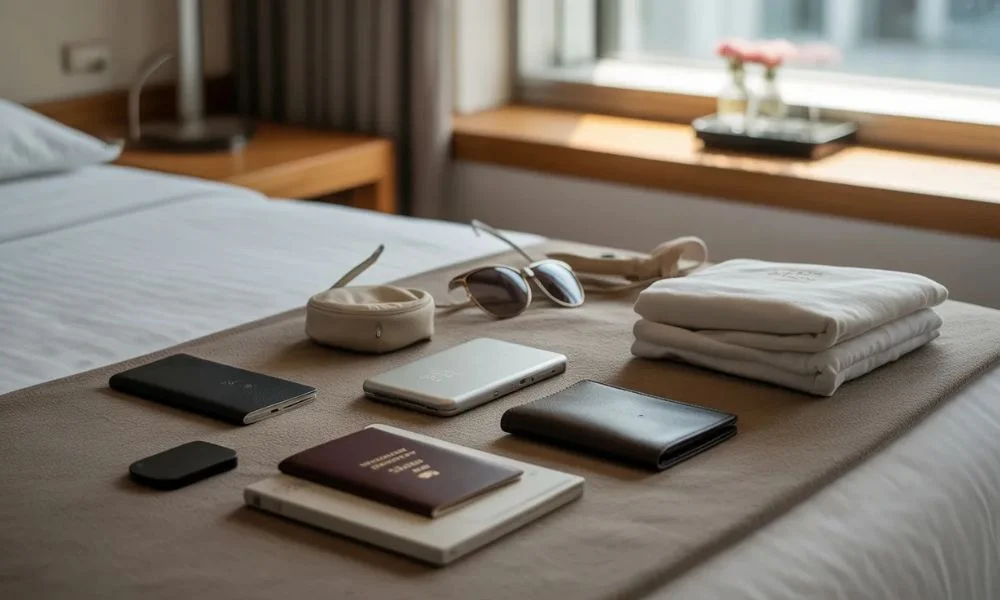
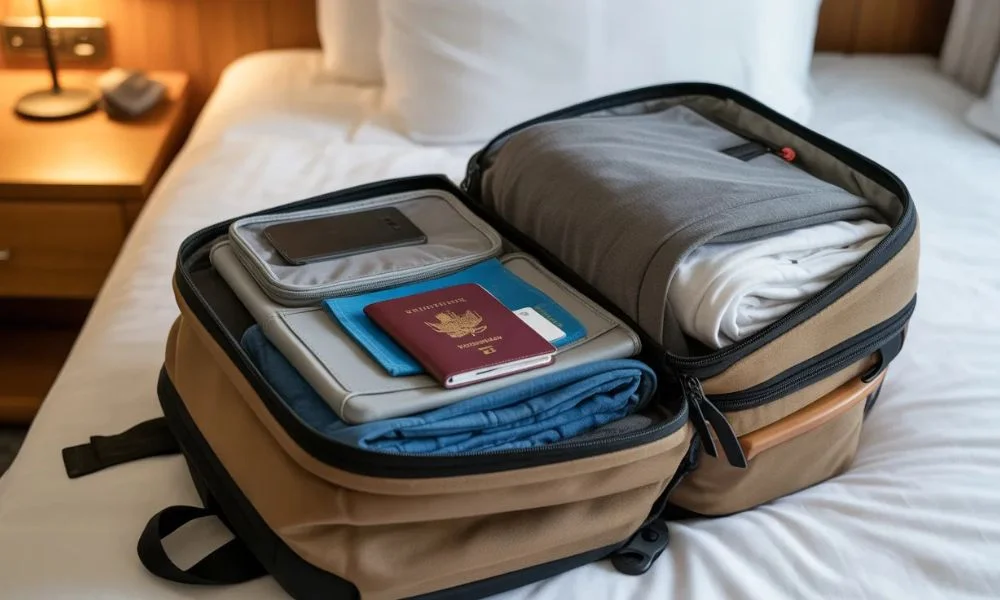
Every minimalist traveller needs a small foundation kit. Start with documents and money. Your passport or ID, travel cards, some local payment option, and digital copies of important documents are the non-negotiables. The State Department’s checklist also highlights visas and medication planning, which can easily become bigger issues than forgetting a shirt.
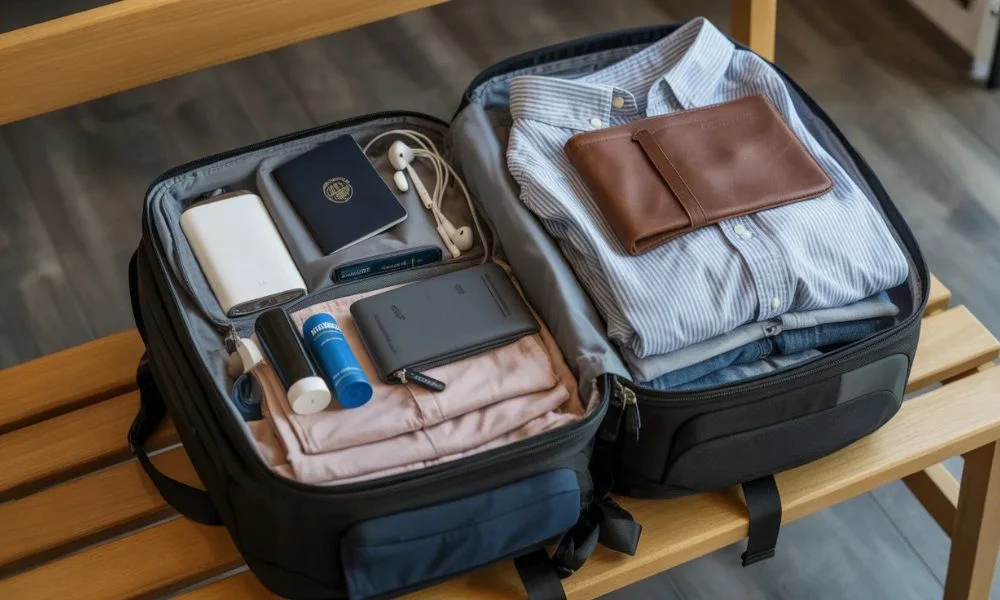
Next comes your bag. Choose one clean, durable carry-on backpack or compact cabin case with smart compartments. It should fit your frame, not just your stuff. Then build your clothing around flexibility. Pack neutral colors, one light layer, comfortable walking shoes, breathable basics, and clothing that can mix and match. Three tops that work with the same bottoms will always beat a bag full of random pieces.
Your tech should stay lean too. A phone, charging cable, compact power bank, universal adapter if needed, and earbuds are enough for most trips. This is also where rules matter. FAA guidance says spare lithium batteries and power banks belong in carry-on baggage, which makes an organized tech pouch especially useful.
Finish with personal care. Keep toiletries travel-sized because TSA’s 3-1-1 rule still applies to most carry-on liquids, gels, creams, and pastes. A toothbrush, cleanser, moisturizer, deodorant, medicine, and one grooming item you actually use are usually enough. Minimalist packing becomes easy when every item earns its place.
How to Choose Travel Essentials Without Overpacking
The best minimalist packing rule is simple: choose multi-use items. A shirt that works for daytime exploring and dinner is better than two separate outfits. A lightweight overshirt can replace a jacket in mild weather and still look polished. Shoes should be comfortable enough for long walks but clean enough for cafes or meetings. When one item covers two or three jobs, your whole bag gets smarter.
A second rule is to pack for your real trip, not your imaginary one. Many people overpack because they fear being unprepared. In reality, most trips repeat the same pattern: transit, walking, eating out, resting, and maybe one special activity. Once you accept that, you stop packing “backup for backup” items. The CDC’s packing advice supports practical preparation rather than excess, especially for medicines, hygiene, and destination-specific health needs.
The third rule is to create limits. Use one small toiletry pouch, one tech pouch, and one clothing cube. Physical limits force better decisions. If your cable bag is full, do not add a second charger “just in case.” If your toiletry pouch does not close, remove the least important item. This is where Travel Essentials become a method, not just a list.
A good test is this: would you notice and miss this item every day of the trip? If the answer is no, leave it behind. Stylish minimalists do not pack more. They pack with intention.
Stylish Travel Essentials That Keep Your Look Clean
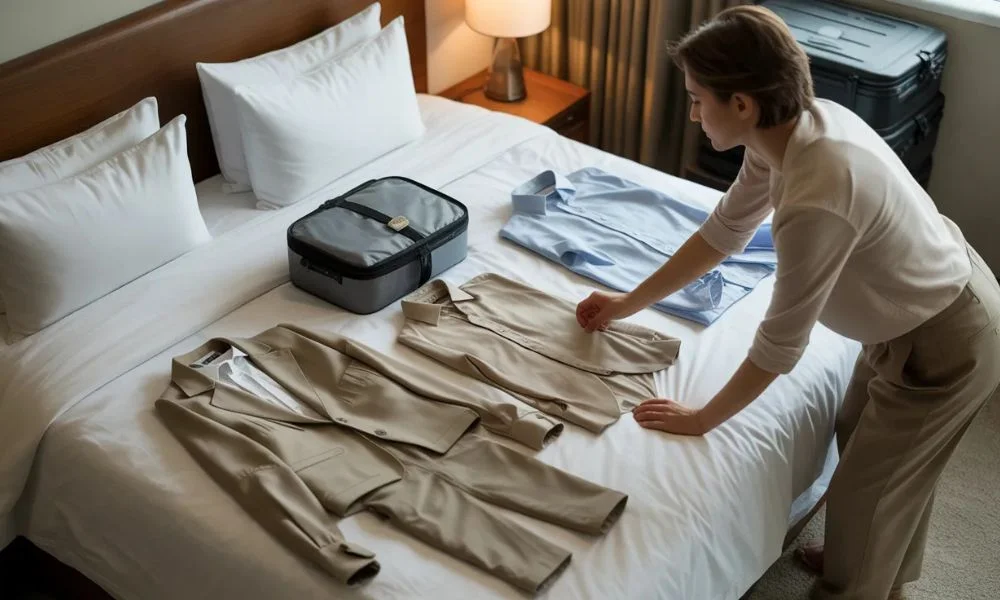
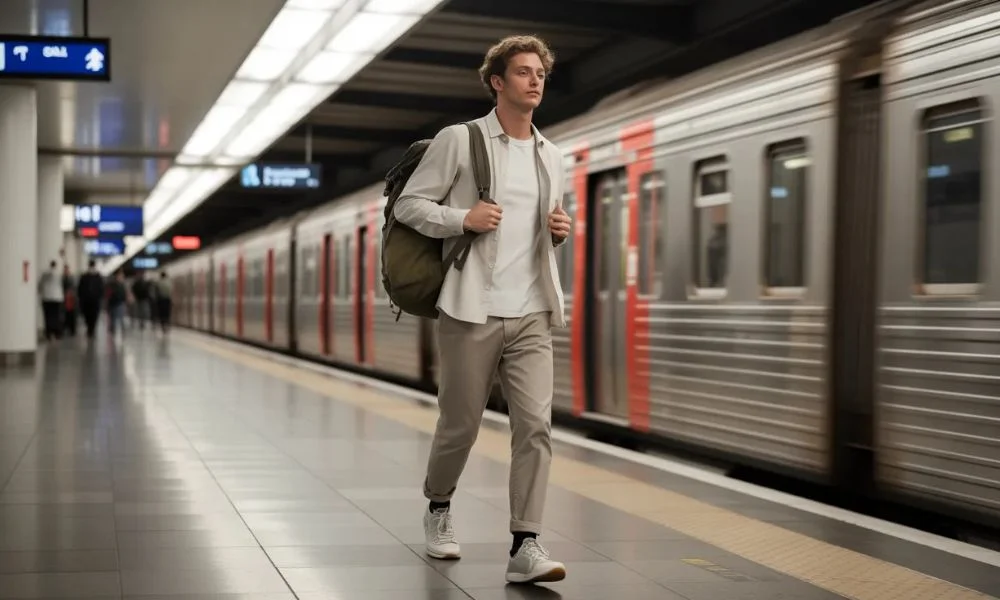
Minimalist travel should not look boring. In fact, a small, thoughtful wardrobe often looks better than an overloaded one. Style comes from coordination, texture, fit, and confidence. Choose a color palette like black, white, olive, navy, beige, or grey. These shades mix easily and help every photo look put together. A clean sneaker, well-fitted tee, structured overshirt, and sleek backpack can carry you almost anywhere.
Accessories matter too, but keep them useful. A slim watch, sunglasses, a cap, or a scarf can add personality without adding bulk. The best travel style is quiet, comfortable, and consistent. You should feel ready for the airport, a coffee shop, or a casual dinner without changing your entire look. That is why Travel Essentials should work with your personal style, not against it.
Fabric choice also makes a big difference. Wrinkle-resistant, breathable, and quick-drying materials are ideal because they stay fresh longer and often need less washing effort. That means fewer clothing pieces overall. One polished layer can make simple basics look more intentional.
There is also confidence in knowing exactly what is in your bag. No clutter. No panic. No “Where did I put that?” moment. Just a simple system that feels easy every time you travel. A modern traveller who prefers less is not sacrificing comfort or style. They are removing friction and keeping only what adds value.
A Simple Packing Formula You Can Reuse for Every Trip
A repeatable formula makes travel easier than any long checklist. For a short trip, try this: two or three tops, one or two bottoms, one light outer layer, one pair of walking shoes, undergarments, sleepwear, documents, phone, charger, power bank, toiletries, and medicine. Add destination-specific items only when truly needed. This system works because it focuses on real use, not panic packing.
For flights, check security and baggage rules before you leave home. TSA reminds travellers to separate their liquids bag at screening, and FAA guidance is clear that spare batteries should stay with the passenger in the cabin. These small details can prevent delays and last-minute stress at the airport.
It also helps to pack in layers of access. Keep documents, wallet, phone, and charger where you can reach them fast. Put comfort items near the top. Store less-used clothing deeper in the bag. When your setup follows your day, you stop unpacking half your luggage to find one item.
In the end, the right Travel Essentials do more than fill a bag. They support a calmer way to move through the world. You travel lighter, think less, and enjoy more. For the modern traveller who prefers less, that is not just a packing style. It is a better travel experience.
Final Thoughts
Minimalist travel works because it respects your time, energy, and style. You do not need twenty items to feel ready. You need the right ones. A small set of versatile clothes, smart tech, compact toiletries, and important documents can take you much farther than an overstuffed suitcase ever will.
With the right Travel Essentials, every trip feels easier from the moment you leave home to the moment you return. Pack less, choose better, and let your travel feel lighter in every sense.
Also Read About Curating Your Space for a Peaceful and Minimalist Home.
FAQs
What are the most important Travel Essentials for a short trip?
The best Travel Essentials for a short trip are your ID or passport, payment method, phone, charger, power bank, medicines, one compact toiletry pouch, versatile clothing, and comfortable shoes. If you are flying with carry-on only, keep liquids within TSA limits and keep spare batteries in your cabin bag.
How do I travel light without forgetting something important?
Start with the basics first: documents, health items, clothing, and tech. Then remove duplicates. Pack for your actual schedule, not unlikely situations. A reusable checklist also helps you refine your bag after each trip.
Can minimalist travel still look stylish?
Yes. In fact, it often looks better. A neutral color palette, better fit, clean shoes, and a sleek bag create a polished look with fewer items. Focus on coordination, not quantity.
What should I never pack in checked baggage?
Spare lithium batteries and power banks should not go in checked baggage. FAA guidance says these should be carried with you in the cabin.