Beauty from Within How Diet and Supplements Affect Skin Health
Skin health is not only about face wash, sunscreen, and serums. What you eat every day also shapes how your skin looks and feels. Your skin needs protein, healthy fats, vitamins, minerals, and enough fluids to repair itself, hold moisture, and stay strong. The American Academy of Dermatology also points people toward a healthy diet with fruits, vegetables, lean proteins, and healthy fats as part of good skin care, while the NIH notes that nutrients like vitamin C and zinc play roles in collagen formation and wound healing.
That is why the idea of Beauty from Within has become so popular. It sounds simple, but it is backed by a useful truth. Skin is a living organ, and like every organ, it depends on nutrition. A poor diet may not ruin your skin overnight, but over time it can affect breakouts, dullness, dryness, and slow healing. On the other hand, a balanced eating pattern can support a calmer, stronger skin barrier.
Still, this does not mean every supplement on social media works. Some help in specific cases. Some only help if you are low in that nutrient. And some are sold with bigger promises than the evidence supports. Harvard notes that there is still limited proof that simply eating collagen directly transforms skin in a dramatic way, even though some collagen supplement studies look promising.
Why your skin reflects what you eat
Your skin is always working. It protects you from heat, pollution, germs, and water loss. To do that, it needs a steady supply of nutrients. Protein helps repair tissue. Vitamin C supports collagen production. Zinc helps with healing. Omega 3 fats support cell membranes and help regulate inflammation. This is one reason why Beauty from Within is more than a catchy phrase. Your daily plate becomes raw material for your skin.
Think of skin like a brick wall. Skin cells are the bricks, and lipids are the mortar holding them together. If your body is not getting enough of the basics, that wall may become weaker. When that happens, skin can feel rough, dry, or more reactive. The National Eczema Association also highlights the importance of a healthy skin barrier, while the AAD encourages eating healthy fats, lean proteins, fruits, and vegetables for healthier skin.
A simple real-life example is someone who lives on sugary snacks, fried foods, and too little water during a busy workweek. They may notice their skin looks tired and oily at the same time. Another person who eats regular meals with eggs, fish, yogurt, fruit, nuts, and vegetables often sees more stable skin over time. It is not magic. It is consistency.
That is the heart of Beauty from Within. It is not about one superfood. It is about feeding your skin every day.

Best foods that support healthy glowing skin
If you want to build Beauty from Within through food, start with variety. Bright fruits and vegetables bring antioxidants. Citrus fruits, kiwi, strawberries, and bell peppers provide vitamin C, which the NIH says is needed for collagen biosynthesis and also acts as an antioxidant. Leafy greens, carrots, and sweet potatoes offer carotenoids and other plant compounds that support overall skin health.
Healthy fats matter too. Fatty fish like salmon, sardines, and mackerel provide omega 3 fatty acids. The NIH explains that omega 3s are important parts of cell membranes and are involved in inflammatory pathways. That matters because inflamed skin often looks red, irritated or acne-prone. Walnuts, flaxseed, and chia seeds can also support your intake, though fish gives EPA and DHA more directly.
Protein is another missing piece in many skin conversations. Your body needs enough protein to build and repair tissue. Eggs, beans, lentils, yogurt, chicken, tofu, and fish are practical options. Then there are minerals like zinc, found in seafood, meat, beans, nuts, seeds, and whole grains. Zinc deficiency can delay wound healing, according to the NIH.
One of the easiest ways to apply Beauty from Within is to build meals around simple combinations. For example, grilled salmon with rice and salad, Greek yogurt with berries and pumpkin seeds, or lentils with spinach and lemon. These meals do not look trendy on social media, but they give skin what it actually needs.

How sugar dairy and processed foods may affect skin
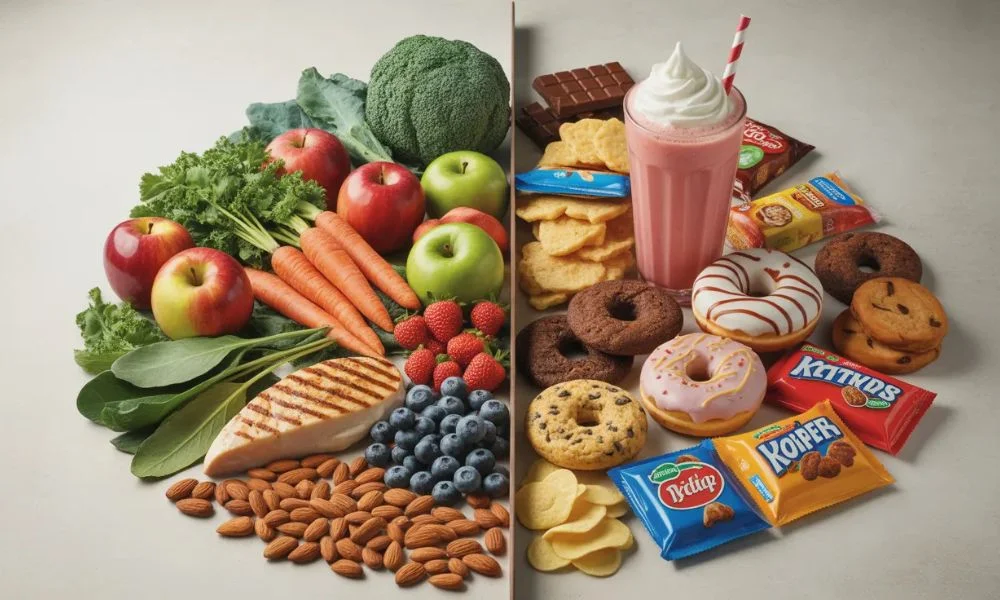
Not every food affects every person the same way. Still, some patterns show up again and again. The AAD says research suggests that high glycemic load diets may worsen acne, and dairy, especially some milk products, has also been linked to acne in certain people. Recent AAD coverage of review data also noted acne-promoting patterns such as high glycemic foods, dairy products, and high-fat foods, while fruits, vegetables, and fatty acids appeared more protective.
High glycemic foods are the kind that raise blood sugar quickly. Think sugary drinks, white bread, sweets, and many ultra processed snacks. Frequent spikes may influence hormones and inflammation in ways that can trigger breakouts in some people. This is where Beauty from Within becomes practical again. You do not have to fear one dessert. The bigger issue is the daily pattern.
Dairy is more personal. Some people drink milk every day and see no difference. Others notice more breakouts, especially with skim milk. The research is not perfect, but it is enough for acne-prone people to observe their own skin honestly.
A good approach is to track your meals and skin for three to four weeks. If you suspect sugary foods, whey-based shakes, or certain dairy products make things worse, reduce one trigger at a time and watch for changes. That is much smarter than cutting ten foods in one day and feeling lost.
Beauty from Within works best when you notice your own patterns instead of copying someone else’s routine.
Do supplements really help your skin
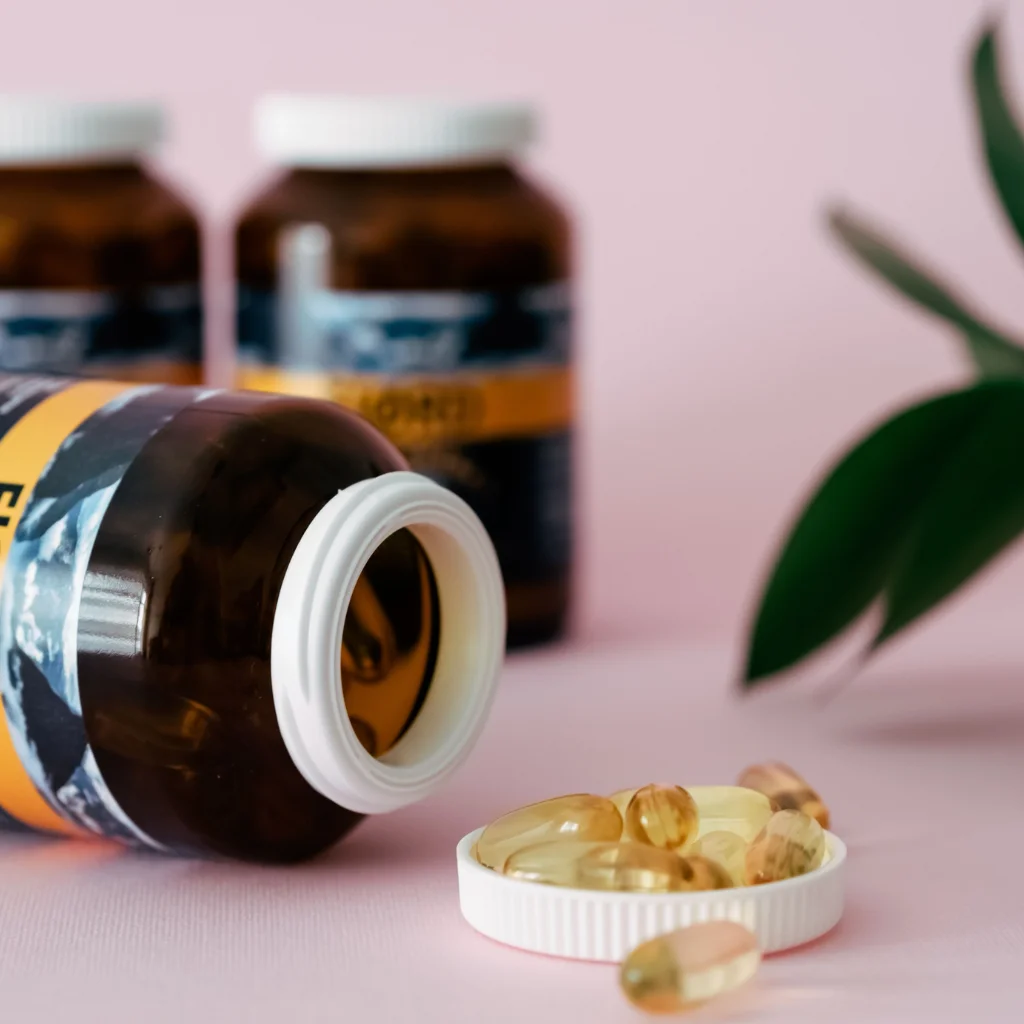
Supplements can help, but they are not a shortcut. The strongest point to remember is this: food comes first. A supplement should fill a gap, not replace a balanced diet. The NIH fact sheets show clear roles for nutrients like vitamin C, vitamin D, zinc, and omega 3 fats in body functions that connect to skin, immunity, healing, and inflammation. But that does not mean everyone needs to buy all of them.
Vitamin C may support normal collagen formation. Zinc may matter when healing is slow or intake is low. Vitamin D may be relevant for people with low levels, and some eczema experts note that supplementation may offer modest benefit in certain cases. Omega 3 supplements can be useful for people who rarely eat fish.
Collagen is the most talked about option in the Beauty from Within trend. Some studies and reviews suggest collagen peptides may improve skin hydration and elasticity. At the same time, Harvard points out that collagen is broken down during digestion and evidence is still not strong enough to treat it like a miracle fix. A fair summary is that collagen supplements may help some people a little, but the basics still matter more.
Before taking supplements, check the dose, the brand quality, and whether you actually need it. More is not always better. Fat-soluble vitamins, including vitamin D and vitamin A, can become harmful in excess, and the NIH warns that vitamin D toxicity usually comes from too much supplemental intake.
A realistic routine for Beauty from Within
The best version of Beauty from Within is not expensive. It is steady. Start by building simple habits you can repeat. Eat protein with each main meal. Add color from fruits or vegetables twice a day. Include healthy fats like fish, nuts, seeds, olive oil, or avocado. Drink enough fluids. Sleep properly. These steps sound basic because they are basic, and they work better than chasing every new powder online. The AAD also connects healthy skin habits with good food and rest, not just products.
A practical day might look like this. Breakfast could be eggs with whole grain toast and fruit. Lunch could be rice, chicken or lentils, and salad. A snack could be yogurt with berries and seeds. Dinner could be fish or beans with vegetables and potatoes. That type of pattern gives your skin amino acids, antioxidants, minerals, and fats across the day.
If you are acne-prone, you can also test lowering high sugar snacks and watching how your skin responds. If your skin is dry and reactive, focus on enough calories, enough fat, and a more nutrient-dense plate overall. If you think you may be low in vitamin D, zinc, or another nutrient, talk to a qualified clinician before guessing with high-dose pills.
That is how Beauty from Within becomes real life. No drama. No fake promises. Just daily support for stronger skin from the inside.

Final Thoughts
Beauty from Within is not about perfection. It is about giving your skin the basics it needs to stay calm, strong, and healthy. A balanced diet rich in fruits, vegetables, protein, and healthy fats can support skin barrier function, collagen production, and healing. Some supplements may help in the right situation, especially when there is a true gap or increased need, but they work best as support, not as the whole plan.
If your goal is clearer, healthier skin, begin with your plate before your pill box. Small changes done every day usually beat expensive trends done for one week.
Check Also our Latest Article For Your Daily Beauty Dose.
FAQs
Can diet really change my skin?
Yes, diet can influence skin over time. Research suggests high glycemic diets may worsen acne in some people, while nutrient-rich whole foods support better skin function.
Are collagen supplements worth trying?
They may help some people with skin hydration and elasticity, but the effect is usually modest, and the evidence is still mixed. Food quality still matters more.
Which supplement is best for skin health?
There is no single best supplement for everyone. Vitamin C, zinc, vitamin D, omega 3s, and collagen are common options, but the right choice depends on your diet, your needs, and whether you have a deficiency.
Does dairy always cause acne?
No. Dairy does not affect everyone the same way. Some people notice more breakouts with certain milk products, while others do not. Track your own skin before making a final decision.
Is food better than supplements for skin?
Usually yes. Whole foods give a wider mix of nutrients, fiber, and compounds that work together. Supplements are more useful when there is a clear gap, low intake, or a specific medical reason.