Fast Fashion vs. Investment Pieces: Why It’s Better to Invest in Quality
Buying clothes should feel simple, but fast fashion has made it confusing. New trends show up every week. Prices look tempting. It feels smart to grab a cheap top, a trendy bag, or a pair of shoes that match the moment. But after a few wears, many of those items lose shape, fade, peel, or fall apart. Then you shop again. That cycle is exactly why more people are starting to Invest in Quality instead of filling their closets with short-life pieces. Fast fashion is built on speed and high turnover, while better-made clothing is built to stay useful longer. UNEP says unsustainable fashion is making climate, biodiversity, pollution, and waste problems worse, and it is calling for more durable, circular approaches such as reuse and repair.
The idea of investment pieces is not about buying luxury for the sake of status. It is about buying with more care. A good blazer, a strong handbag, classic jeans, or a well-cut coat can stay in your wardrobe for years. These pieces are easier to style, more reliable to wear, and usually cheaper in the long run because they do not need constant replacement. The European Environment Agency says textile consumption in Europe creates the fourth highest pressure on the environment and climate after food, housing, and mobility. That bigger picture matters, but so does your daily life: fewer bad purchases, fewer closet regrets, and more outfits that work.
Fast Fashion Feels Cheap, But It Often Costs More
Fast fashion looks affordable because the price tag is low. That is what makes it so appealing. A dress for one event, a trendy jacket for one season, or sandals that seem “good enough” can all feel like smart buys in the moment. But the real cost shows up later. The zipper breaks. The fabric goes rough. The fit becomes loose after washing. A bag starts peeling at the corners. When this happens again and again, the total cost adds up fast.
This is where Invest in Quality becomes a practical idea, not just a fashion slogan. A well-made item usually gives you more wears, more comfort, and more confidence. Instead of asking only, “How much is this today?” it helps to ask, “How long will this serve me?” That one question changes everything. WRAP says extending the life of clothing by just nine months could reduce carbon, water, and waste footprints by up to 20%, which shows how valuable longer use can be for both your budget and the planet.
Think about black flats, office trousers, or a daily handbag. These are not one-time pieces. You use them again and again. If they are poorly made, they become repeat purchases. If they are solid, they become wardrobe anchors. Over time, the “expensive” choice can turn out to be the cheaper one.
What Makes an Investment Piece Worth It
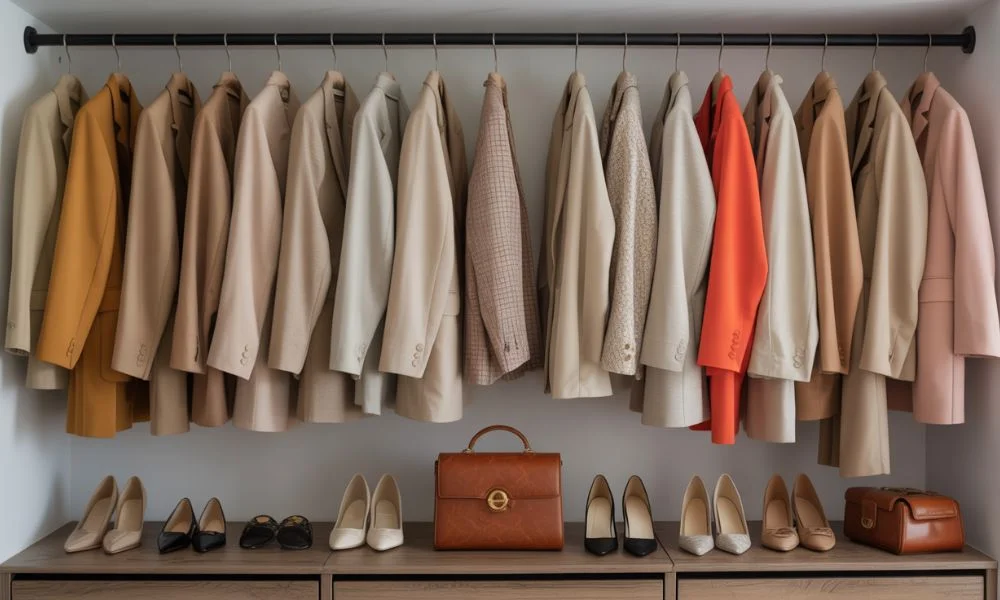
An investment piece is not just something expensive. It is something valuable. That value comes from good fabric, strong stitching, a timeless cut, and the ability to work with many outfits. A camel coat, white shirt, classic loafers, dark denim, or a structured leather bag can keep earning its place in your closet year after year. These pieces are not loud. They are dependable.
When you Invest in Quality, you are choosing fewer, better things. That can mean natural fibers that feel better on the skin, cleaner tailoring that sits better on the body, or hardware and seams that hold up to regular use. The Ellen MacArthur Foundation says fashion products need to be designed to last longer, be repaired, and stay in use through resale, repair, and remaking. That supports the same idea many smart shoppers already understand: clothing should not feel disposable.
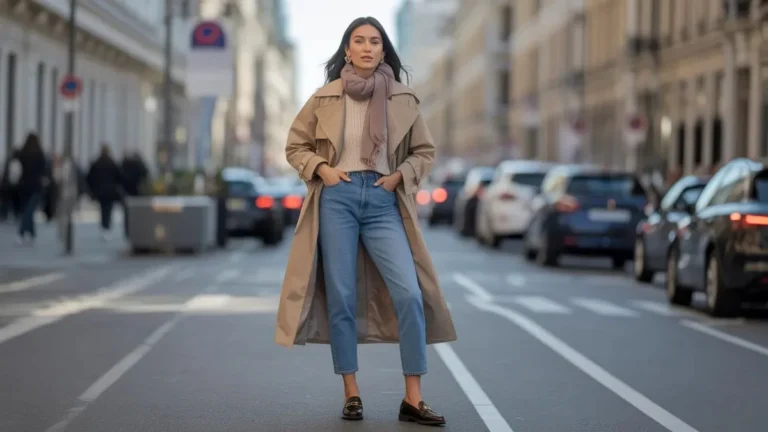
There is also a style benefit. Investment pieces usually survive trend changes better than fast fashion. A good trench coat does not stop being useful after six months. A sharp blazer can work for work, meetings, dinner, and travel. That is why these pieces often feel easier to justify. They do not only sit in the closet looking pretty. They solve problems.
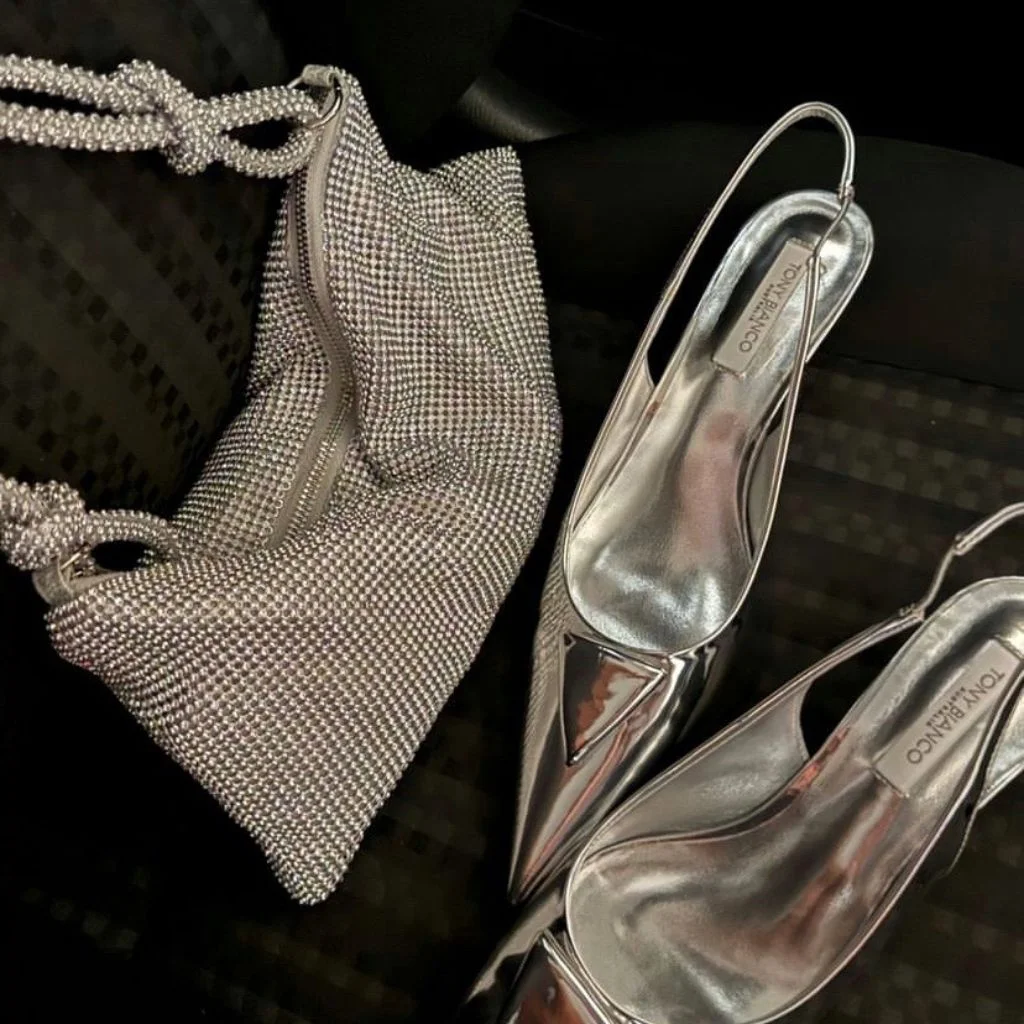
Your Closet Gets Better When It Gets Smaller and Smarter
Many people think a better wardrobe means owning more options. In reality, the opposite is often true. A closet full of random trend pieces can still leave you feeling like you have nothing to wear. Colours do not match. Fabrics do not layer well. Shoes only work with one outfit. The result is clutter without confidence.
That is why it helps to Invest in Quality and build around dependable basics. One quality blazer can replace three weak jackets. One pair of well-fitting jeans can outperform several cheap pairs that stretch out too fast. One neutral bag can work across workdays, dinners, and travel. Better pieces simplify dressing because they mix easily and stay presentable for longer.
This mindset also fits the broader move toward circular fashion. UNEP says the fashion sector needs a circular economy approach that values sustainable production, reuse, and repair. The Ellen MacArthur Foundation makes the same case, saying products should stay in use longer through better design and systems like repair, resale, and remaking.
A smarter closet is not boring. It is calm. It gives you room to add personality in a way that feels intentional. When the base is strong, even small trend pieces look better.
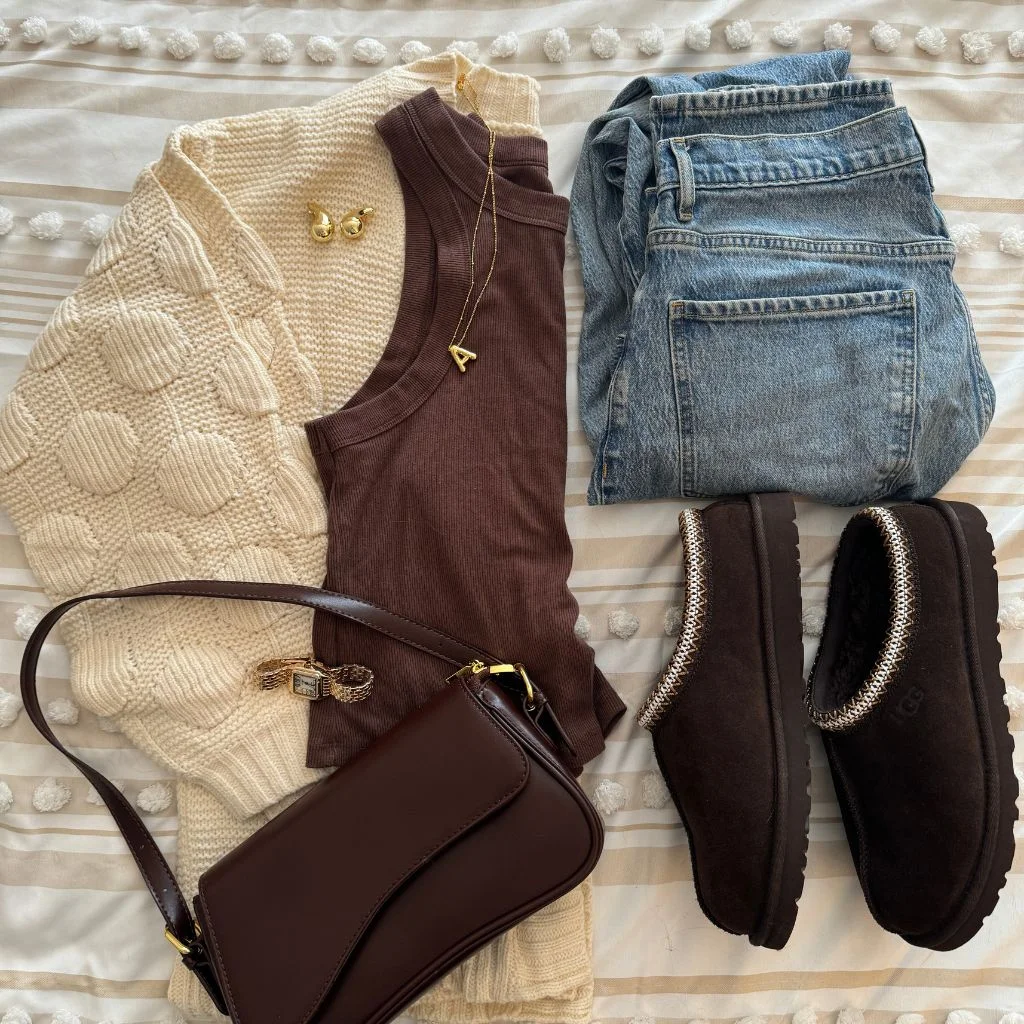
You Do Not Need a Huge Budget to Start
One mistake people make is thinking they need to replace everything at once. That usually leads to stress and overspending. A better approach is slow improvement. Start with the categories you wear the most. Shoes, bags, jeans, coats, and blazers usually give the best return because they get frequent use. When one of these needs replacing, that is a good time to Invest in Quality instead of buying another short-life version.
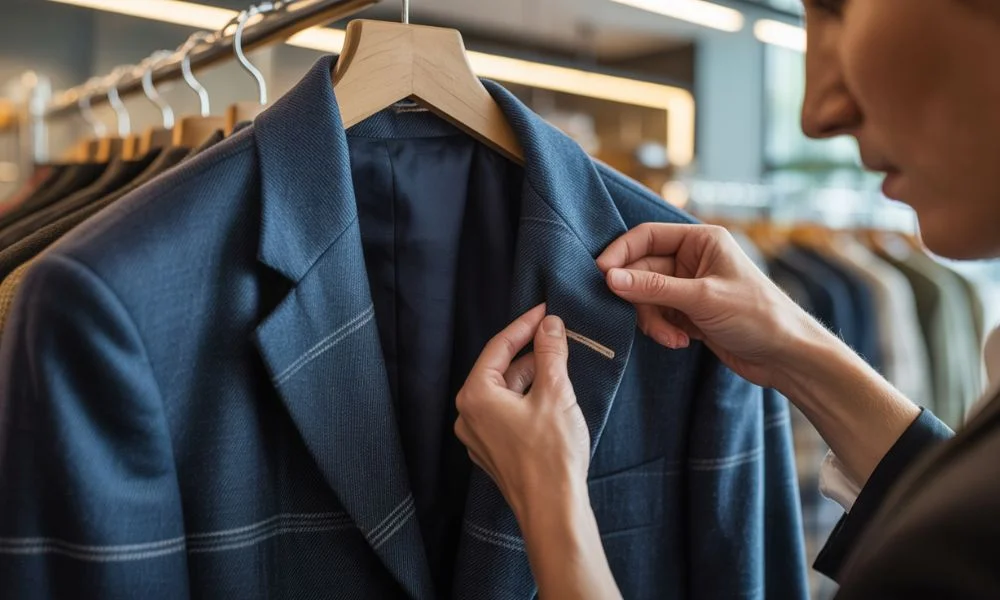
You can also shop smart. End-of-season sales, second-hand luxury, resale platforms, outlet finds, and trusted mid-range brands can all help. The goal is not to chase the highest price. The goal is to find the strongest value. Look at the seams. Check the lining. Feel the fabric. Test the hardware. Try the fit properly. A beautiful item that does not fit your life is not really an investment piece.
The European Environment Agency says textiles create major pressure on water, land, raw materials, greenhouse gas emissions, chemicals, and microplastics. That makes careful buying even more meaningful. Choosing fewer, longer-lasting items is not just a personal style move. It is a practical response to a system built on too much production and too much waste.
A helpful rule is simple: if you can picture wearing the item for three years, it deserves serious attention. If it only feels exciting because it is trendy and cheap, pause before buying.
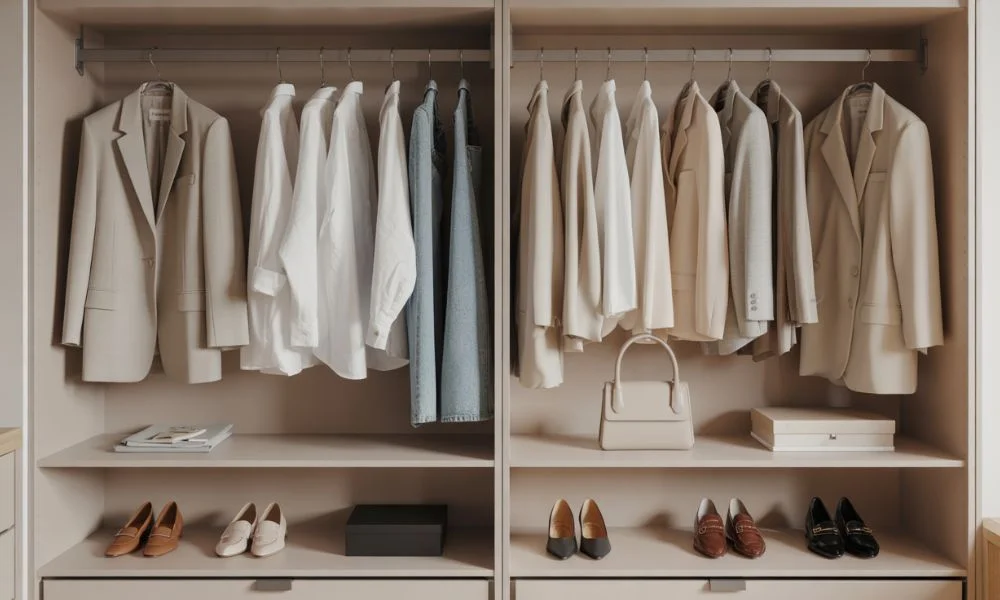
Trend Pieces Are Fine, but They Should Not Run Your Wardrobe
There is nothing wrong with enjoying fashion. Not every item in your closet has to be serious or timeless. A fun color, a seasonal shape, or a playful accessory can make style feel fresh. The problem is not the existence of trend pieces. The problem is letting them become the foundation of your wardrobe.
That is why the smarter balance is to Invest in Quality for your base and use trends as accents. Let your coat, shoes, bag, jeans, and work basics be strong and reliable. Then add one fun top, one statement earring, or one seasonal piece if you want variety. This keeps your wardrobe flexible without making it wasteful.
Recent European policy moves also show how much pressure fast fashion has created. The European Parliament notes that EU countries have been required since January 2025 to collect textiles separately for reuse and recycling, part of a bigger push to deal with fashion waste more seriously. That is a policy signal that disposable clothing has become too big a problem to ignore.
In daily life, this balance feels better too. You stop panic buying. You stop replacing the same items. You start trusting your wardrobe because the pieces inside it are stronger.
Why This Shift Matters Beyond Fashion
Clothing is personal, but the impact is bigger than personal style. Textile waste, pollution, and overproduction affect water, land, emissions, and disposal systems. UNEP says fashion must move toward durability, circularity, and less waste, while WRAP and the Ellen MacArthur Foundation both point to longer use and better design as major parts of the solution.
Still, this does not need to become an all-or-nothing lifestyle. You do not have to be perfect. You just need a better standard. When you Invest in Quality, you buy with more thought, wear with more confidence, and replace things less often. That saves money, reduces frustration, and slowly builds a wardrobe that feels like you.
A good wardrobe should support your life, not drain your budget. It should make getting dressed easier, not harder. And it should leave you with pieces that still look good after the trend has moved on. That is the real difference between fast fashion and investment pieces. One gives a quick rush. The other keeps giving value.
Final Thoughts
Fast fashion wins attention because it is fast, cheap, and always new. But investment pieces win in real life because they last longer, look better, and make your wardrobe easier to use. Over time, they often save money and reduce waste too. That is why more thoughtful shoppers choose to Invest in Quality instead of chasing every trend.
You do not need a luxury budget or a perfect capsule wardrobe to start. Just begin with one smart swap. Buy one better pair of shoes. Choose one solid coat. Pick one bag you can carry for years. Those small changes build a stronger closet, and that stronger closet changes the way you shop.
Also Read About Why the Return of Quiet Luxury Is Changing Fashion Again.
FAQs
What is fast fashion in simple words?
Fast fashion means low-cost, trend-based clothing made quickly and sold fast. It is usually designed for short-term wear, not long-term use.
What are investment pieces?
Investment pieces are better-made wardrobe staples that last longer and work with many outfits, like a blazer, coat, leather bag, or classic shoes.
Is it always expensive to buy quality?
No. Quality does not always mean luxury. You can find good pieces through sales, resale, thrift stores, and reliable mid-range brands.
Which items should I upgrade first?
Start with the things you wear most often, such as shoes, jeans, bags, outerwear, and work basics.
Can I still buy trendy items?
Yes. Trends are fine as extras. The best approach is to let timeless, durable pieces lead your wardrobe.