Medium Length Wolf Cuts That Work for Fine, Thick, Wavy & Straight Hair
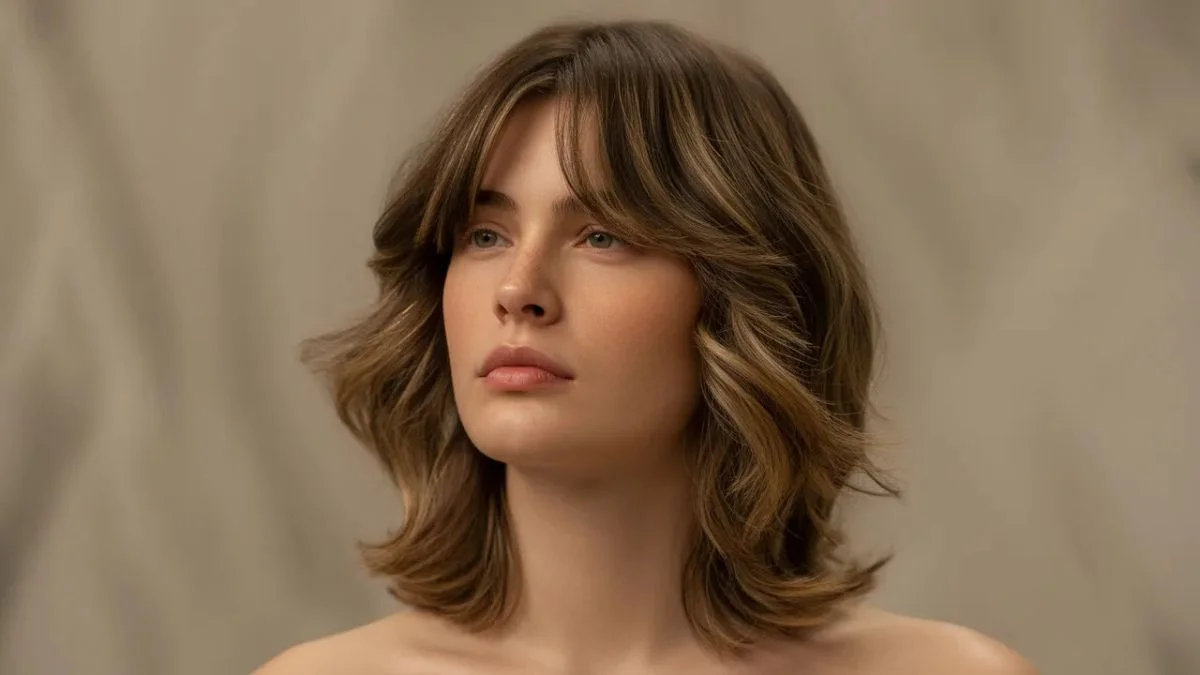
The wolf cut is officially the most-searched hairstyle of 2026 — and the medium length version is the reason it refuses to slow down. Whether your hair is pin-straight, naturally wavy, fine as silk, or thick enough to hold three styles at once, a medium length wolf cut can be dialled in to work perfectly for your texture.
The struggle has always been finding a versatile cut that delivers volume, movement, and personality without demanding a 45-minute morning routine. The medium length wolf cut solves all of that. Sitting between the collarbone and the shoulder blade, this length hits the sweet spot — long enough for styling options, short enough for the layers to do their job and create genuine shape.
In this guide, you’ll find the best medium wolf cut variations broken down by hair type, complete with styling tips, what to ask your stylist, and honest answers to every question you’ve had about this cut.
What Makes a Wolf Cut ‘Medium Length’?
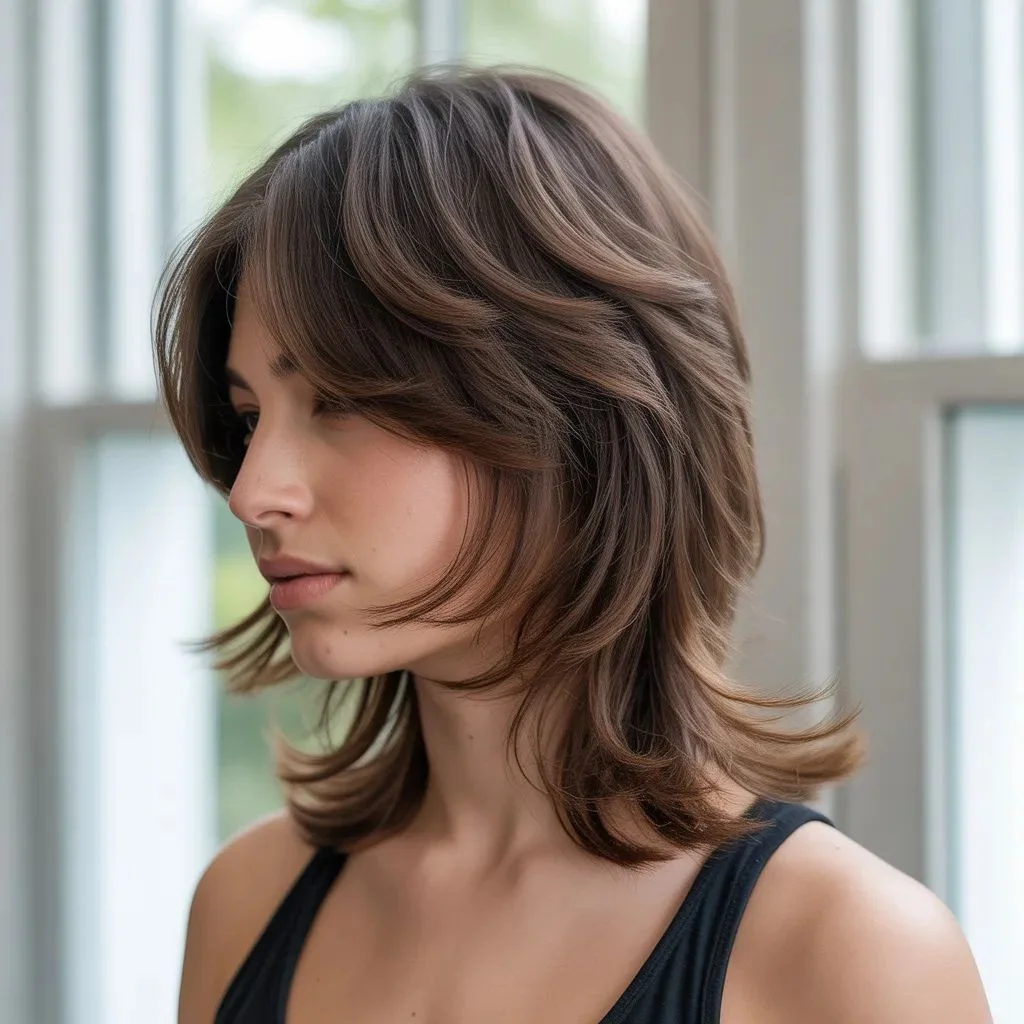
A medium length wolf cut typically sits between the collarbone and the shoulder blade. That band of length is where the cut earns its magic — the layers on top have enough room to create volume at the crown, the mid-lengths carry texture and movement, and the ends stay long enough to give the silhouette its characteristic feathered, slightly tapered tail.
At this length, the wolf cut is genuinely beginner friendly. It’s less dramatic than a short wolf cut (which requires commitment to frequent trims) and less demanding than a long version (which can feel heavy without regular maintenance). The medium length is the most wearable version of the cut — and the one most salon professionals recommend for first-timers.
What separates a medium wolf cut from a regular layered haircut is the intentional disconnection between the layers. The crown section is cut shorter and heavier to build volume. The perimeter stays longer and lighter, creating that signature lived-in silhouette. Bangs — whether curtain, wispy, or blunt — are optional but common.
Medium Wolf Cut for Fine Hair
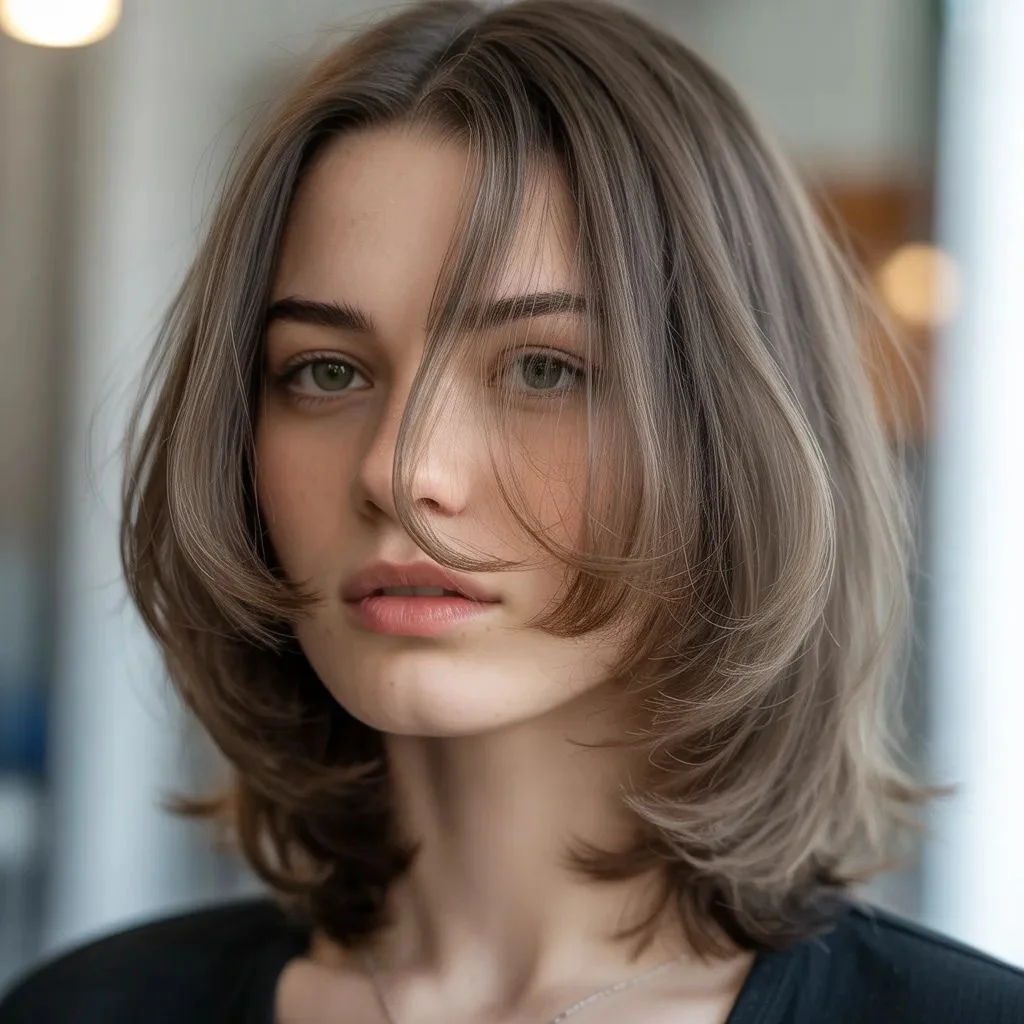
Fine hair and the wolf cut are a better pairing than most people expect. The key is in the layering technique. A skilled stylist will use a razor or point-cutting method to remove weight without creating blunt edges that make thin hair look even flatter.
For fine hair, the goal is to build the illusion of density at the crown while keeping the ends light enough to move. Heavy, chunky layers will drag fine strands down — so your stylist should focus on softly disconnected layers that sit on top of each other rather than pulling the hair downward.
What works best for fine hair:
• Soft, airy layers concentrated at the crown
• Feathered, razor-cut ends to prevent blunt heaviness
• Wispy curtain bangs to frame the face without adding bulk
• A texturizing spray as the base of every styling routine
• Diffusing or blow-drying upside down to maintain crown lift
One thing to avoid: asking for too many short layers too close together. On fine hair, this can create a flat, stringy look rather than the voluminous wolf silhouette you’re after. Fewer, more strategically placed layers will always outperform a heavily razored-out approach on thin strands.
Medium Wolf Cut for Thick Hair
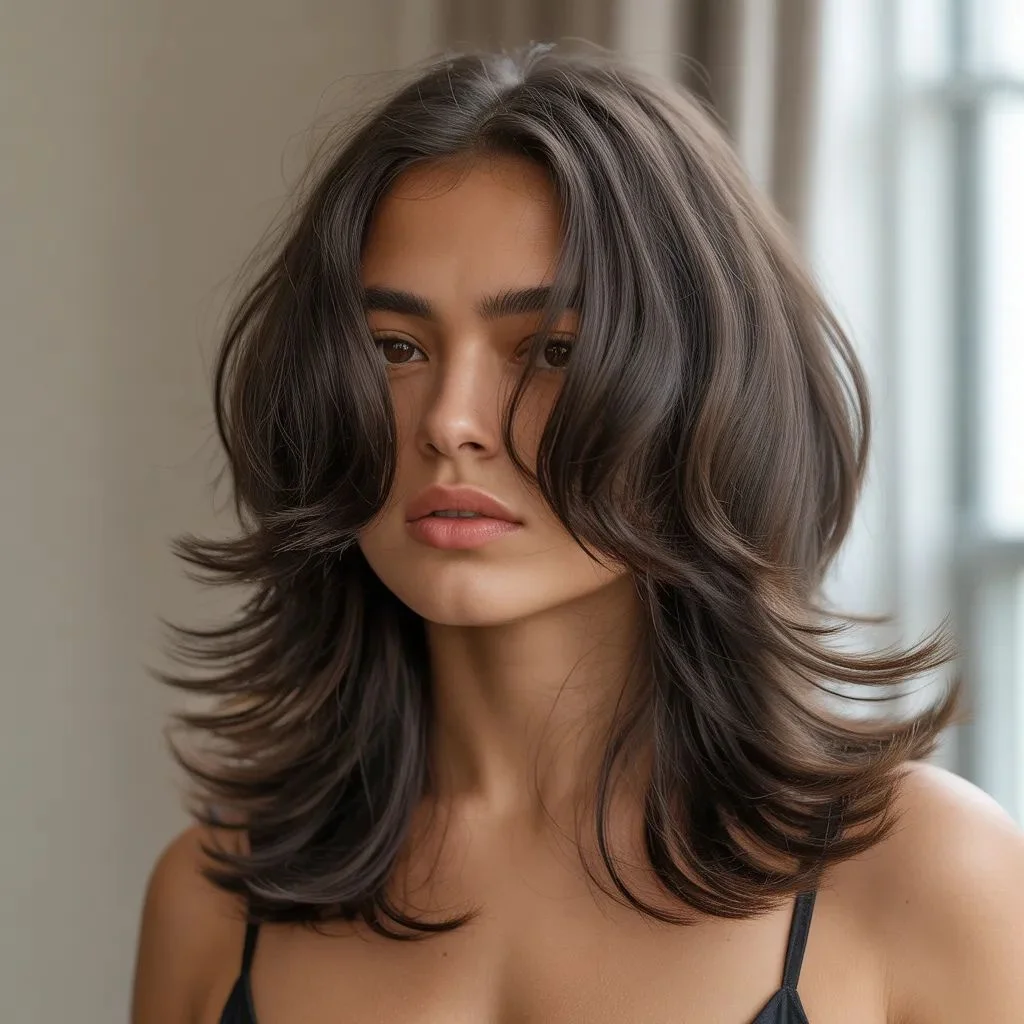
Thick hair was practically born for the wolf cut. There’s enough density to support the heavy, disconnected layers that make this style so recognizable — and the cut finally gives thick hair somewhere to go, channeling all that volume into intentional shape rather than fighting it.
The main priority for thick hair is weight removal. Without it, the wolf cut can look bulky instead of voluminous — a very different result. Your stylist should use internal layers, point cutting, or slide cutting techniques to hollow out the mid-lengths while preserving the shape at the crown and the movement at the ends.
What works best for thick hair:
• Strong internal layering to remove bulk without thinning the perimeter
• Choppy, razored ends for a shaggy, lived-in finish
• A middle part or curtain bangs to balance the volume
• Lightweight styling cream or anti-frizz serum to control texture
• Air-drying for natural movement, or a diffuser for more lift
Thick hair is also the best candidate for the bold, shaggy version of the wolf cut — the one with heavily disconnected layers and maximum texture. If you’ve ever wanted a rock-inspired, high-volume look, this is the hair type to pull it off with zero effort.
Medium Wolf Cut for Wavy Hair
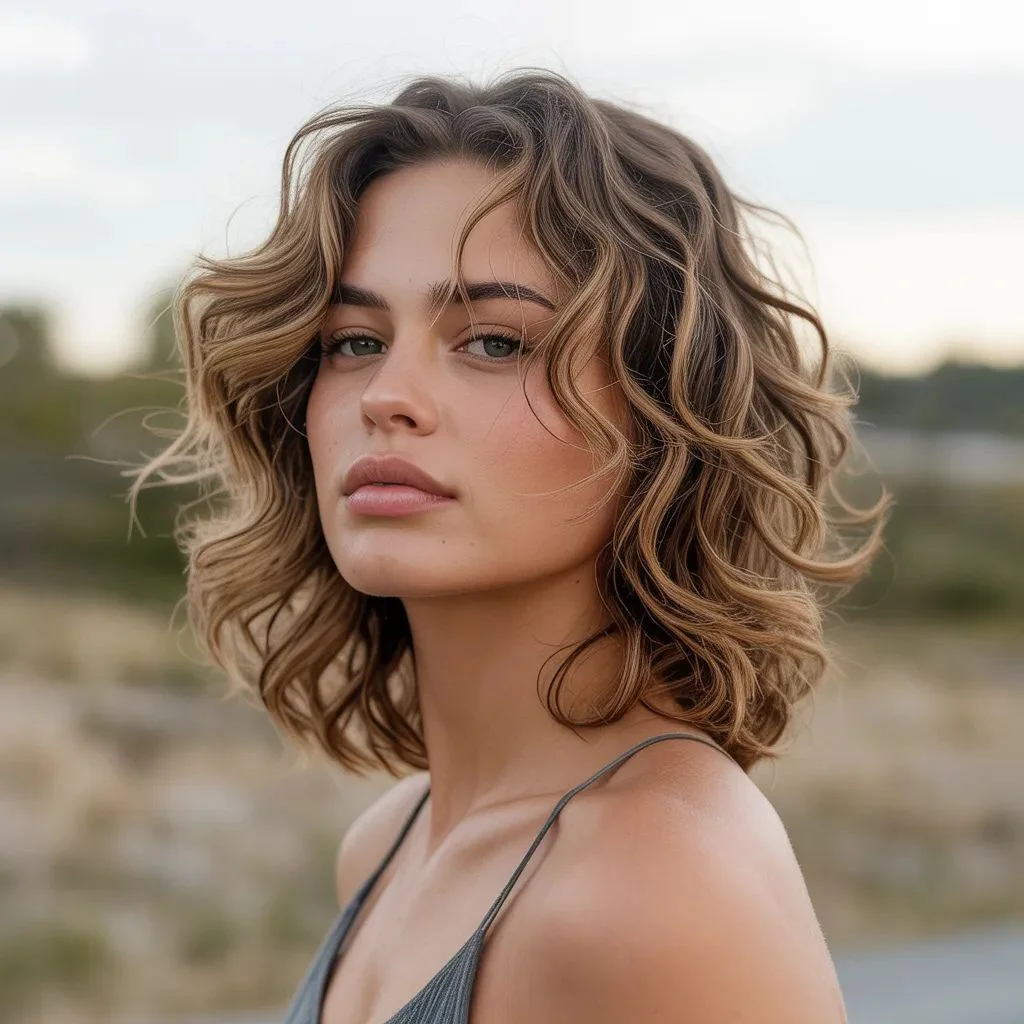
Wavy hair and the medium wolf cut have an almost unfair advantage together. The layered structure of the cut works with the wave pattern rather than against it, allowing each layer to curl and move independently — which is exactly the effortless, tousled look the wolf cut is designed to create.
With wavy hair, the air-dried wolf cut becomes a full styling method. Scrunch in a sea salt spray or curl cream on damp hair, flip upside down, and leave it to dry. The result looks like you spent time on it. You didn’t.
What works best for wavy hair:
• Layers cut to enhance the wave pattern rather than fight it
• Curtain bangs that complement the natural movement
• Sea salt spray or mousse on damp hair for definition
• Diffusing on low heat to set the wave without frizz
• A silk pillowcase to keep the texture intact overnight
The one thing to discuss with your stylist: wave pattern consistency. If your waves are more pronounced at the ends and flatter near the roots, your stylist should factor this into where the layers are placed to ensure the cut looks balanced dry, not just when freshly styled.
Medium Wolf Cut for Straight Hair
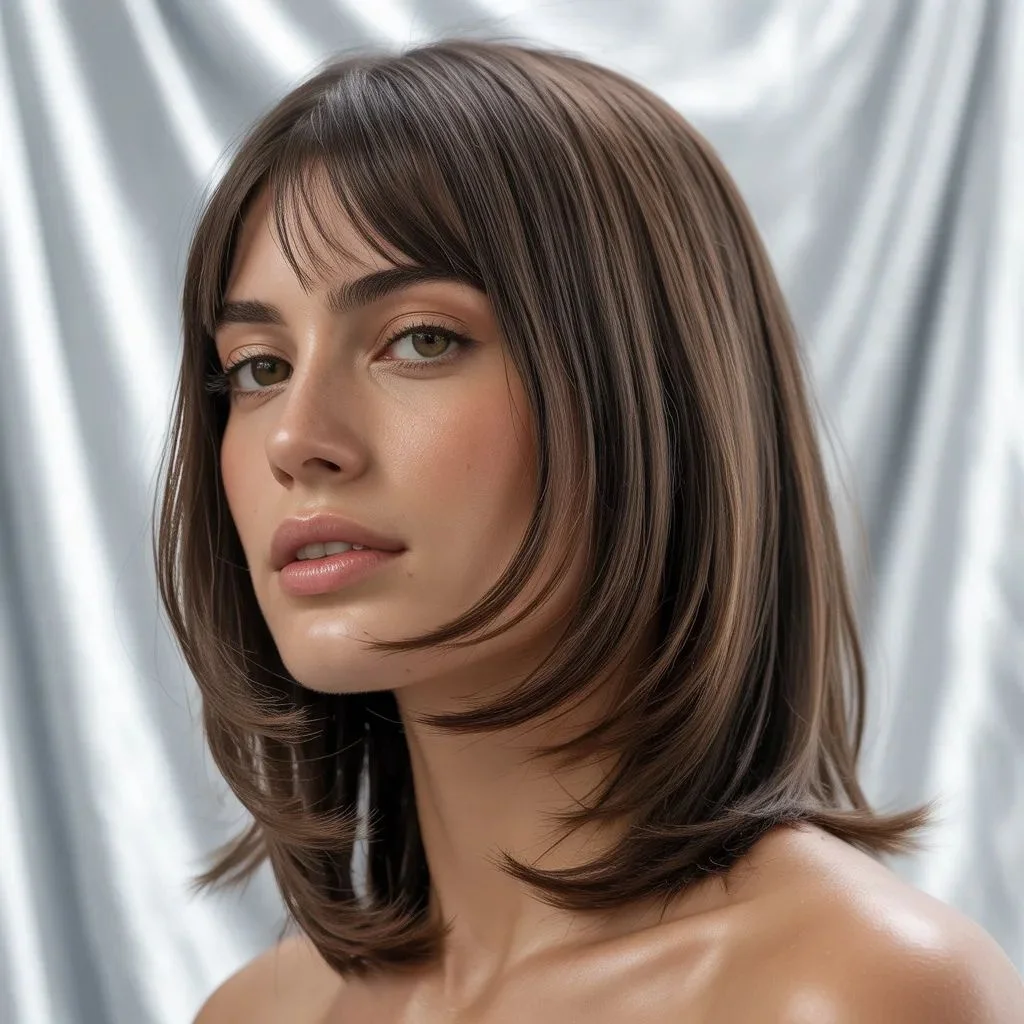
Straight hair presents the most honest version of the wolf cut — there’s nothing to hide behind, so the layering has to be precise. When it’s done right, straight hair creates a sleek, graphic wolf cut with defined layer lines and a clean, polished edge that wavy or curly versions can’t replicate.
The challenge with straight hair is maintaining volume at the crown without a wave pattern to help. This is where blow-dry technique becomes non-negotiable. A round brush and a little product at the root create the lift that the cut needs to look intentional rather than flat.
What works best for straight hair:
• Precise, clean layer cuts (not razored) for defined movement
• Lightweight volumizing mousse at the roots before blow-drying
• A round brush to add curl at the ends of each layer
• A texturizing spray through dry hair to separate layers
• Curtain bangs for face-framing softness that works with straight texture
Straight hair also has the advantage of showing off color beautifully within the wolf cut’s layers. If you’re considering money piece highlights or subtle babylights, straight hair makes them look especially intentional and editorial.
Curtain Bangs vs. Wispy Bangs on a Medium Wolf Cut
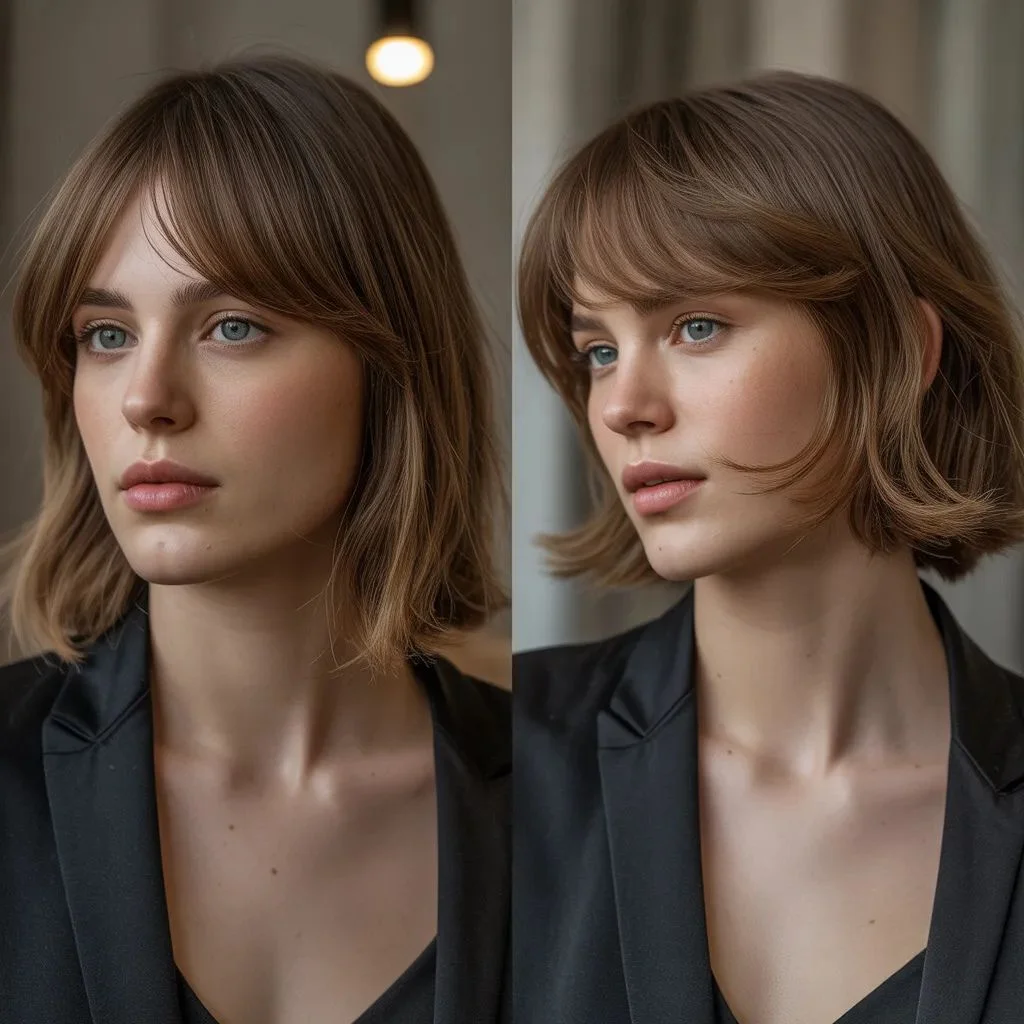
Bangs are one of the most defining decisions you’ll make with a medium wolf cut. They change the entire vibe of the style — and the good news is both most popular options work beautifully at this length.
Curtain bangs are the most popular choice for the medium wolf cut in 2026. They part in the middle and sweep outward toward the temples, framing the face with a soft, symmetrical effect. They’re versatile enough to pin back on busy days, and they grow out gracefully, which makes maintenance forgiving.
Wispy bangs are shorter and more textured, sitting between brow-length and eye-length with feathered, lived-in ends. They add more edge to the wolf cut and lean into the shaggy, grunge-inspired roots of the style. They require slightly more upkeep to maintain their shape, but they pair exceptionally well with wavy and thick hair.
If you’re undecided, curtain bangs are the safer starting point — they frame every face shape, work across all hair textures, and grow out naturally into the rest of the wolf cut’s layers without an awkward in-between phase.
How to Style a Medium Length Wolf Cut
The medium wolf cut is one of the lowest-maintenance haircuts you can have — but there’s a difference between no effort and no product. A little goes a long way.
The everyday routine:
• Spritz texturizing spray onto damp hair from roots to ends
• Scrunch through the mid-lengths and tips to activate the layers
• Flip upside down and diffuse on medium heat, or air-dry completely
• Once dry, add a small amount of lightweight hair oil to the ends
• Use your fingers (not a brush) to separate layers and add definition
For a more polished look:
• Blow-dry with a round brush, curling the ends of each layer outward
• Use a 1-inch curling wand to add loose waves to individual sections
• Finish with a flexible-hold hairspray to lock in volume without stiffness
The number one mistake people make with the wolf cut is over-brushing. Brushing separates the layers and flattens the texture that makes the cut work. Finger-combing is always the better call.
Ready to Book Your Wolf Cut?
The medium length wolf cut is one of the most adaptable haircuts you can walk into a salon and ask for. Whether your hair is fine and straight, thick and wavy, or anything in between — there’s a version of this cut that was made for your texture.
Save your favourite styles, bring reference photos, and talk to your stylist about your specific hair goals. The cut does the hard work from there.
Highly Recommended: Choppy Layered Haircuts for Straight, Wavy & Curly Hair — 2026 Style Guide.