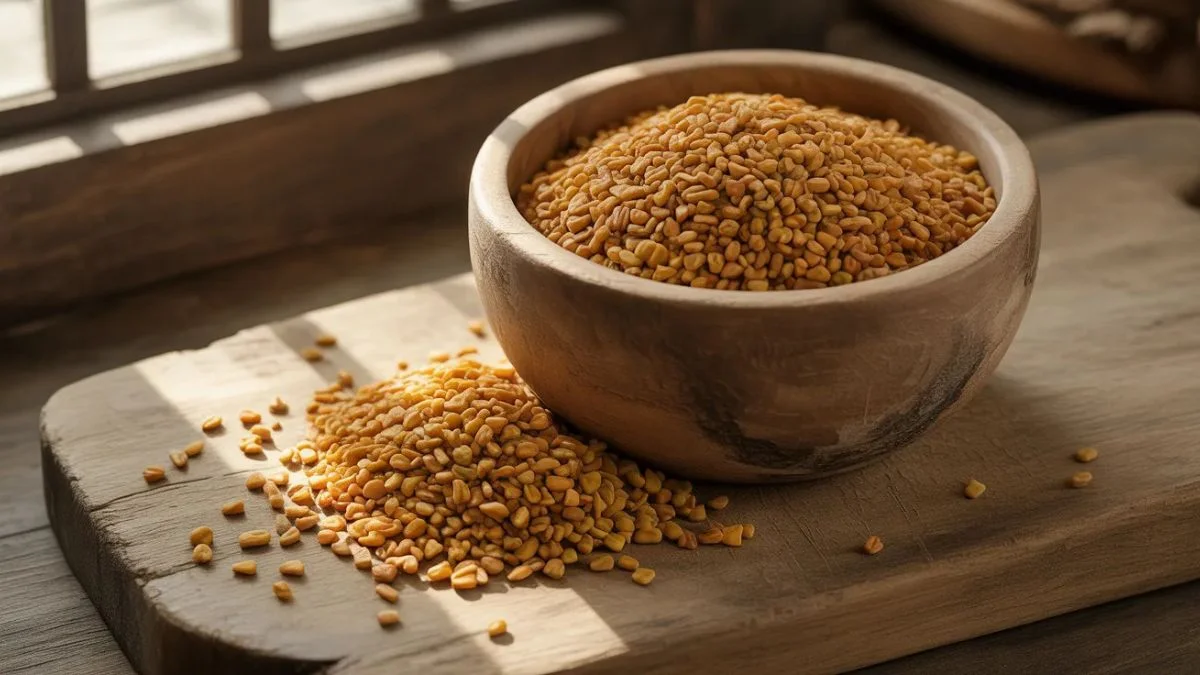
Health Benefits of Fenugreek Seeds for Digestion and Energy
Fenugreek seeds have been used in South Asian, Middle Eastern, and Mediterranean cooking for generations. They bring a slightly bitter, nutty taste to food, but their value goes beyond flavour. When people search for the Health Benefits of Fenugreek Seeds for Digestion and Energy, they are usually looking for one simple answer: can this tiny seed make everyday wellness better?
The honest answer is yes, but with some balance. Fenugreek seeds do have nutritional and digestive strengths, especially because they contain a lot of fiber and several bioactive compounds. Research also suggests they may help with blood sugar control in some people, which can matter for steady energy. At the same time, major health agencies note that the evidence is still limited for many claims, and high-dose supplements are not risk-free.
That is why the best way to understand the Health Benefits of Fenugreek Seeds for Digestion and Energy is to look at what is well supported, what is promising, and what should still be treated carefully. Let’s break it down in a practical way.
Why Fenugreek Seeds Stand Out Nutritionally
Fenugreek seeds are not magic, but they are concentrated. Reviews of their composition describe them as rich in fiber, with meaningful amounts of protein and minerals, along with plant compounds such as saponins and alkaloids. That combination helps explain why fenugreek is often discussed in both food and wellness circles.
One reason the Health Benefits of Fenugreek Seeds for Digestion and Energy get so much attention is that fenugreek works more like a functional food than a stimulant. It does not give the sudden lift that tea or coffee can give. Instead, it may support the body through nutrition, fullness, and glucose control. That is a slower and steadier kind of support, which is often more useful in real life.
Fenugreek also contains iron, and iron matters because it helps carry oxygen through hemoglobin and supports muscle metabolism and normal body function. That does not mean fenugreek will fix low energy on its own, especially if fatigue has another cause. But it does explain why it is sometimes linked with vitality in traditional diets.
How Fenugreek Seeds May Support Digestion
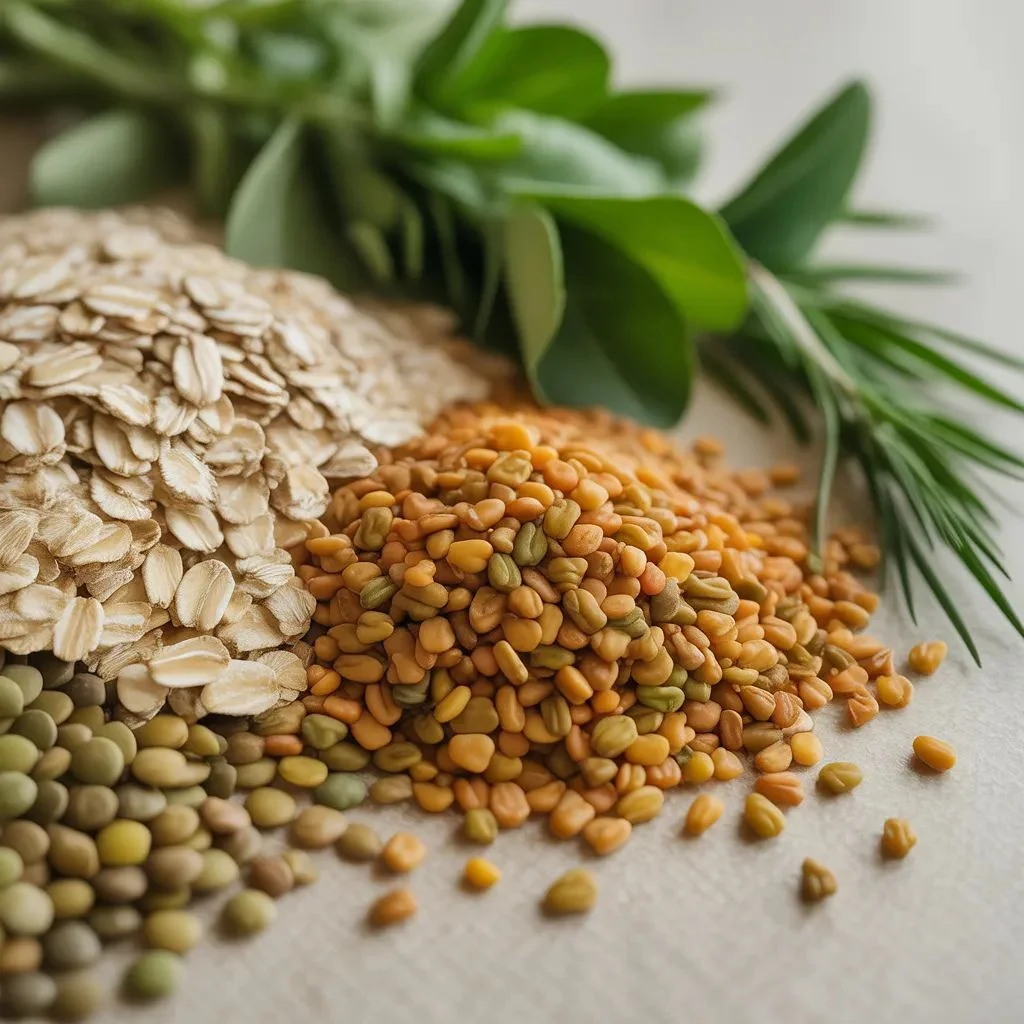
The strongest digestion-related angle in the Health Benefits of Fenugreek Seeds for Digestion and Energy comes from fiber. NIDDK notes that fiber helps with constipation, and drinking enough fluids helps fiber work better by making stools softer and easier to pass. Fenugreek seeds are known for being fiber-rich, which is why they may help support regular bowel movements when used sensibly in food.
Fenugreek also contains mucilaginous fiber, which means it can form a gel-like texture when soaked. In practical terms, that may help food move through the digestive tract more comfortably for some people. It is one reason-soaked fenugreek seeds or fenugreek water are common in traditional home routines. While tradition is not the same as proof, the fiber profile does make the digestion claim reasonable.
There is another small but useful point here. Fiber-rich foods often increase fullness and may help reduce overeating. An older human study on fenugreek fiber found increased satiety and reduced energy intake at lunch in some participants. That is not the same as curing digestive problems, but it does suggest fenugreek may help people feel comfortably satisfied after meals.
Still, more is not always better. NCCIH warns that fenugreek can also cause digestive side effects, including diarrhea, nausea, and other digestive tract symptoms, especially in larger amounts. So, one of the real Health Benefits of Fenugreek Seeds for Digestion and Energy is best unlocked by using small food-level amounts first, not by rushing into heavy doses.
The Energy Link Is Real, but It Is Indirect
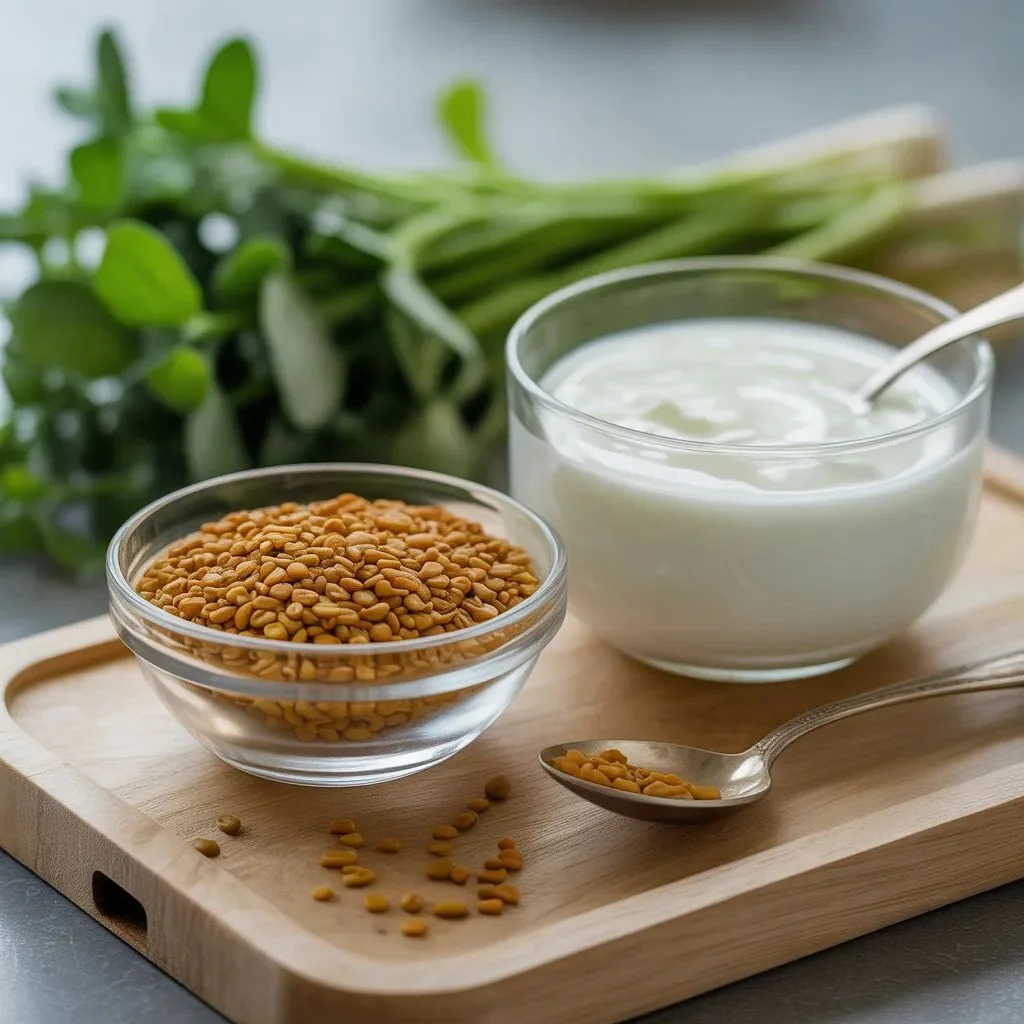
A lot of people assume “energy foods” must work fast. Fenugreek does not work that way. The energy side of the Health Benefits of Fenugreek Seeds for Digestion and Energy is more about steadiness than stimulation.
Research reviewed by NCCIH suggests fenugreek may help lower blood sugar in people with type 2 diabetes, although the agency also says many studies have been low quality and there is not enough high-quality evidence for firm conclusions. A 2024 meta-analysis of 19 studies found improvements in fasting plasma glucose and HbA1c among patients with type 2 diabetes. This matters because large blood sugar swings can leave people feeling tired, hungry, or sluggish. Steadier glucose can support steadier daily energy.
That does not mean everyone will feel more energetic after taking fenugreek. It also does not mean fenugreek is a replacement for diabetes care, balanced meals, sleep, movement, or treatment for anemia or thyroid problems. What it may do is support the nutrition pattern that helps energy feel more stable through the day.
Iron is part of this conversation too. The NIH Office of Dietary Supplements explains that iron is essential for oxygen transport and muscle metabolism. Since fenugreek seeds contain iron, they can contribute to the overall nutrient picture. But because seeds are usually eaten in small portions, the benefit is usually supportive rather than dramatic.
So, if you are exploring the Health Benefits of Fenugreek Seeds for Digestion and Energy, the smartest expectation is this: fenugreek may help support more even energy over time, especially as part of a fiber-rich, balanced diet.

Other Health Benefits Worth Knowing
Although digestion and energy are the focus, fenugreek is often discussed for broader metabolic health. The 2024 meta-analysis found improvements not only in blood sugar markers but also in some cholesterol measures among people with type 2 diabetes. That does not make fenugreek a cure, but it does make it an interesting food and supplement ingredient for future research.
A recent review also highlights fenugreek’s mix of fiber, protein, and phytochemicals as the reason it is being studied in functional foods. In simple language, that means fenugreek is not just a spice for taste. It is a food ingredient with a nutrient profile that may offer more than one small advantage when used regularly in meals.
That said, it is important to stay grounded. NCCIH clearly states that evidence for many other fenugreek claims is too limited to reach firm conclusions. So the best way to present the Health Benefits of Fenugreek Seeds for Digestion and Energy is with confidence and caution at the same time. Some benefits are promising, some are practical, and some still need stronger studies.
Easy Ways to Add Fenugreek Seeds to Your Routine
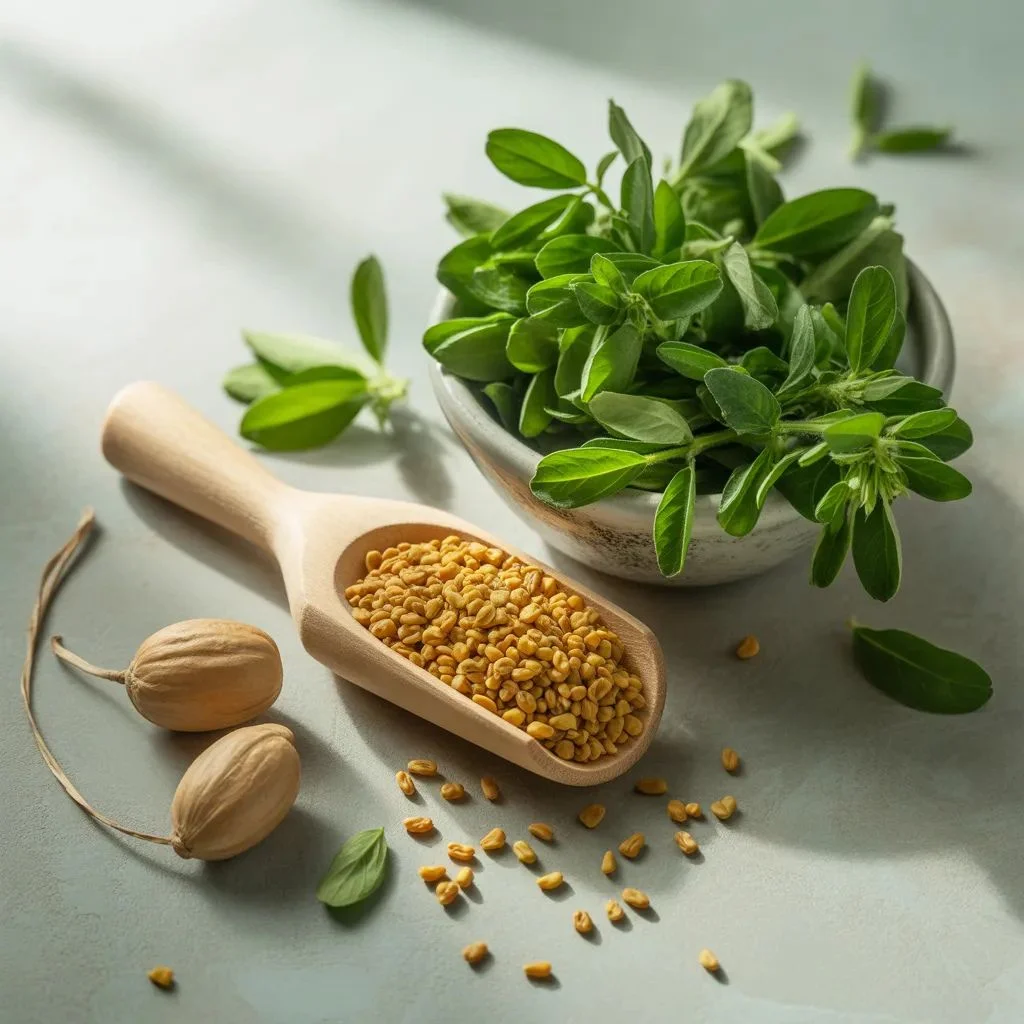
The easiest way to enjoy the Health Benefits of Fenugreek Seeds for Digestion and Energy is through food. This keeps the amount moderate and lowers the chance of side effects that can happen with more aggressive supplement use.
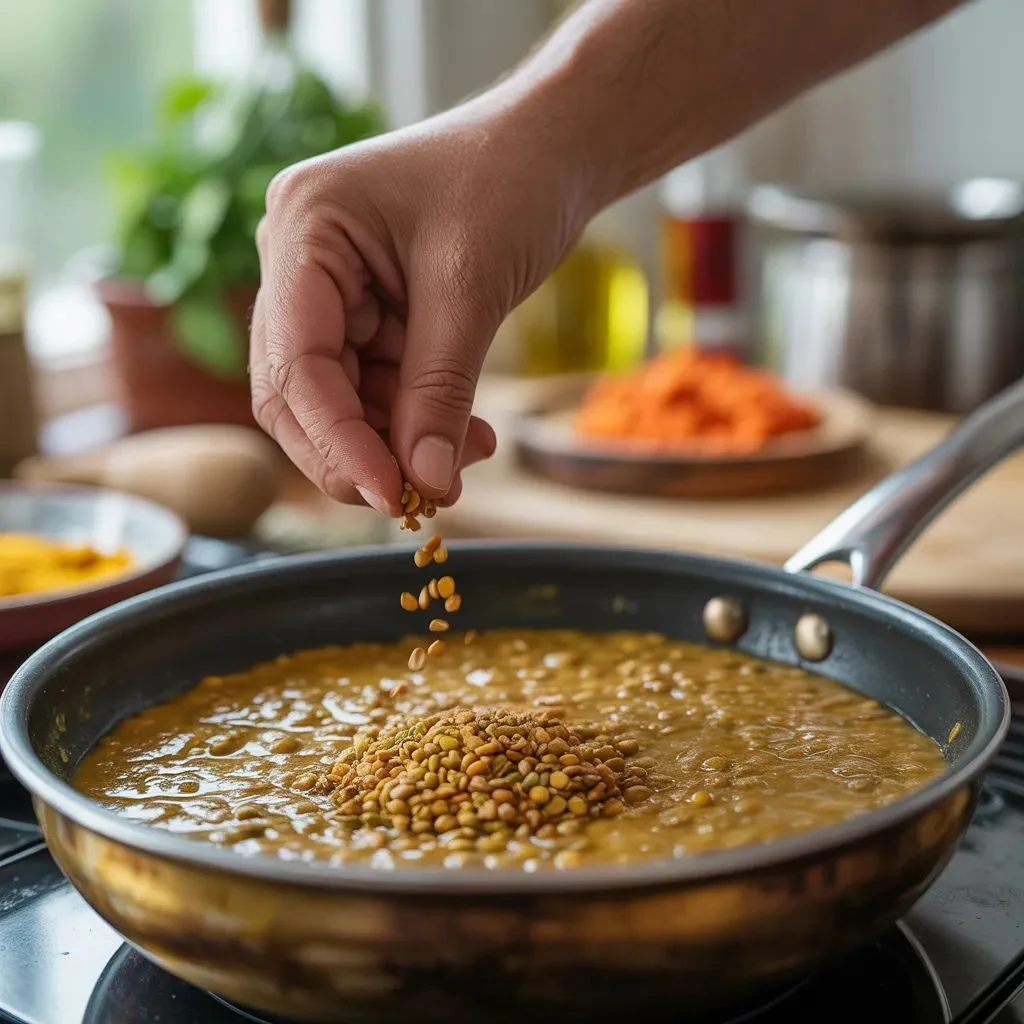
One simple method is soaking 1 teaspoon of fenugreek seeds overnight and using the softened seeds in the morning with water or yogurt. Some people prefer dry roasting the seeds lightly and grinding them into a powder to sprinkle into curries, soups, lentils, or savory oats. Roasting usually softens the bitterness and makes the flavor easier to enjoy.
You can also add a small pinch to tempering for dals and vegetable dishes. In many kitchens, fenugreek works best as part of a mix rather than on its own. That matters because consistency is easier when the flavor fits naturally into meals.
The key is to start small. Because fenugreek is fiber-rich and can affect digestion, suddenly taking large amounts may backfire. If your body handles it well, you can keep it as a regular ingredient instead of treating it like a quick fix. That is often where the most realistic Health Benefits of Fenugreek Seeds for Digestion and Energy show up.
When to Be Careful With Fenugreek
Fenugreek may be safe in normal food amounts, but safety becomes more important with powders, capsules, and concentrated forms. NCCIH says fenugreek is believed to be safe in the amounts commonly found in foods, but larger amounts can cause diarrhea, nausea, digestive discomfort, allergic reactions, and even a harmful drop in blood sugar.
Pregnancy needs extra caution. NCCIH states that fenugreek is not safe during pregnancy in amounts greater than those found in food, and its use has been linked to increased risk of birth defects. Evidence is also limited on higher dose use while breastfeeding.
It is also wise to speak with a healthcare professional before using fenugreek supplements if you take medicine, especially for blood sugar control. Since fenugreek may lower blood sugar, combining it with diabetes medication may increase the risk of low blood sugar. NCCIH gives broad warning that herbs and medicines can interact in harmful ways.
So, while the Health Benefits of Fenugreek Seeds for Digestion and Energy are real enough to be interesting, they work best when matched with good judgment.

A Practical Final Take
Fenugreek seeds deserve attention, but not hype. Their best-supported strengths are tied to fiber, digestive support, fullness, and possible help with blood sugar control. Those benefits can make a real difference in how comfortable and steady you feel through the day.
At the same time, fenugreek is not a miracle ingredient. It is not a fast energy booster, and it is not a substitute for medical care. Think of it as a smart traditional food that may support modern wellness when used regularly, moderately, and safely. That is the most honest way to understand the Health Benefits of Fenugreek Seeds for Digestion and Energy.
If you enjoy natural, food-based health habits, fenugreek seeds can be a useful addition to your kitchen. Just let them play the role they are best suited for: gentle support, not instant transformation.
Recommended: Simple Lemon Water Benefits for Weight Loss and Wellness.
FAQs
Is fenugreek good for digestion every day?
It can be, especially in small food-level amounts. Its fiber may help support regular bowel movements, but too much may cause gas, loose stools, or stomach discomfort.
Does fenugreek really increase energy?
Not in the way caffeine does. Fenugreek may support steadier energy indirectly through nutrition, fullness, and possible blood sugar support, but it is not a quick stimulant.
What is the best way to take fenugreek seeds?
For most people, using small amounts in food is the simplest starting point. Soaked seeds, lightly roasted seeds, or a small amount of powder in meals are usually more practical than jumping straight to supplements.
Who should avoid fenugreek supplements?
Pregnant women should avoid amounts greater than food use, and anyone taking medication, especially diabetes medicine, should check with a healthcare professional first. People with a history of allergies should also be careful.